
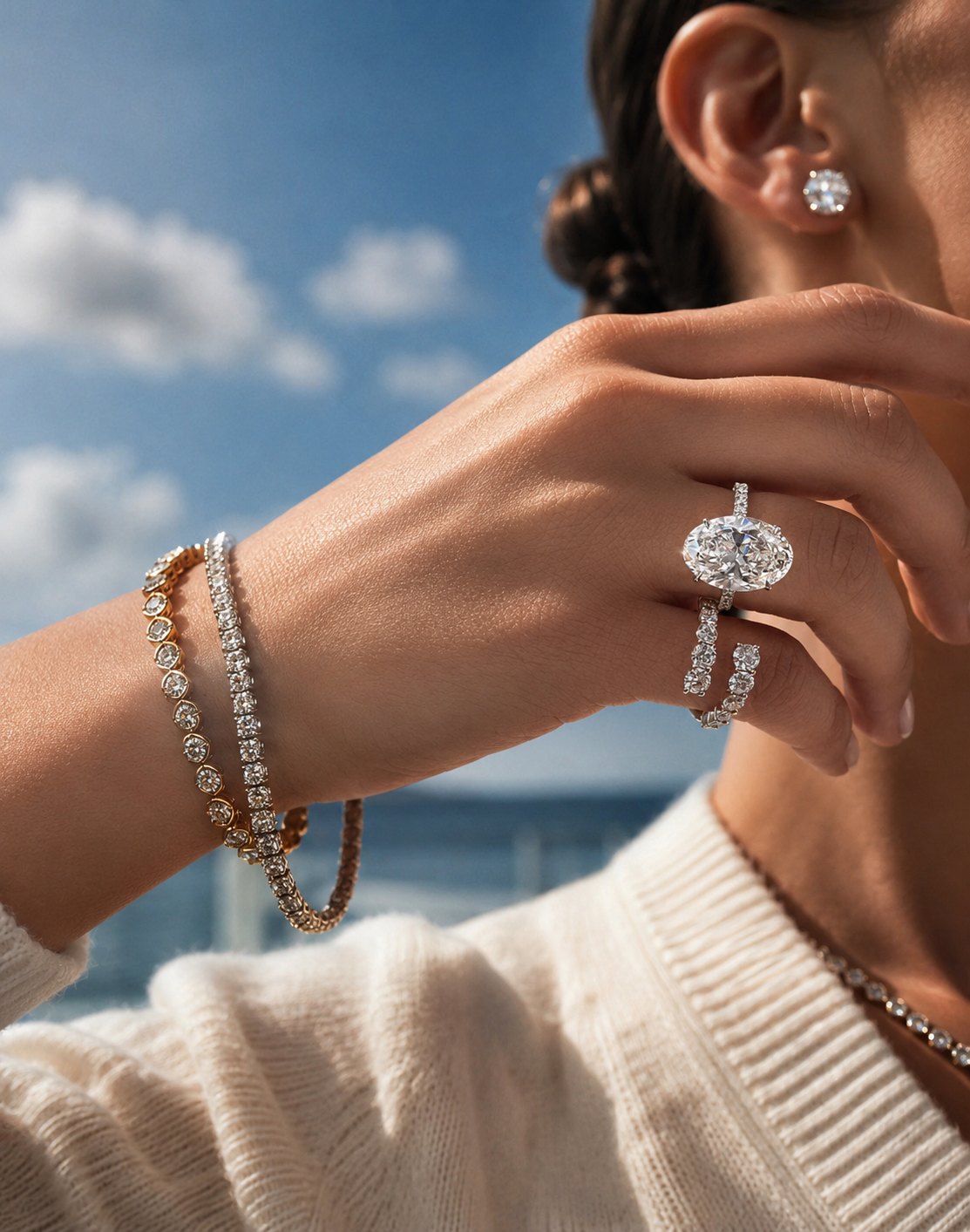
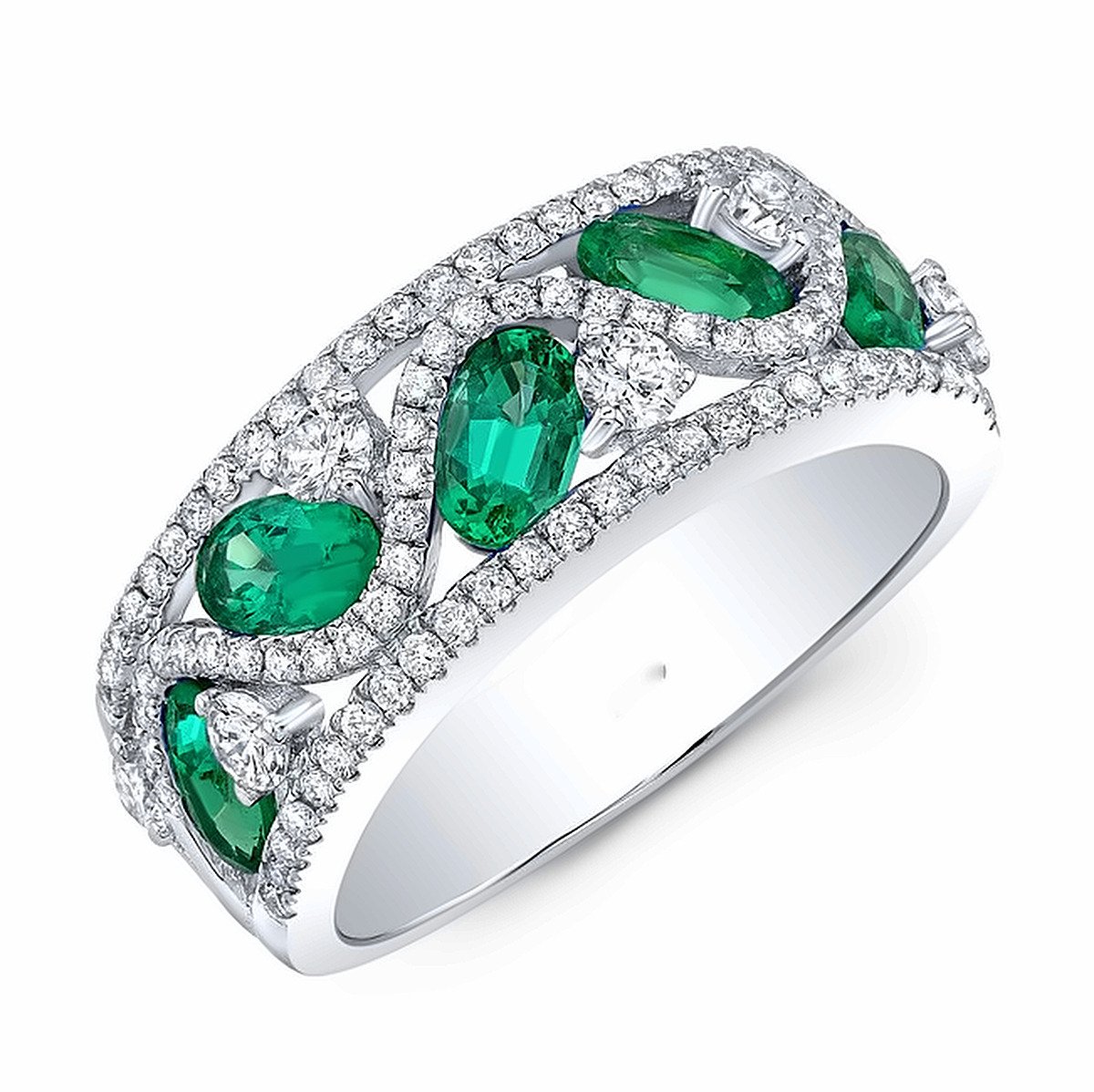
Whether you are a resident searching for an heirloom or a visitor stepping off a cruise ship with only a few hours ashore, the jeweller you choose matters far more than the window display that first caught your eye. The George Town waterfront is lined with shops competing for attention, yet the quality of advice, certification and after-care behind each counter varies enormously. This guide sets out exactly what separates a genuinely fine jeweller from a tourist trap, the questions a confident buyer asks, and the quiet marks of expertise that are easy to recognise once you know to look for them.
In short: the best jewellery store in the Cayman Islands is the one that hands you the GIA report, a loupe and the time to decide, employs gemologists who design and repair on the island, passes the tax-free saving on honestly, and stands behind every piece with lifetime after-care from a permanent showroom rather than a seasonal counter.
The Marks of a Truly Fine Jeweller
A fine jeweller is recognised not by the brightness of the window but by what happens once you step inside. Four things matter above all others, and a confident buyer looks for each before discussing a single stone.
Independent certification you can verify
The Gemological Institute of America is the world's leading independent laboratory, and because it has no commercial stake in the stones it grades, a genuine GIA report means the colour, clarity, cut and carat you are told are the qualities you receive. A reputable jeweller offers the report for any loose certified diamond without hesitation and lets you check that the report number matches the stone. If you would like to understand exactly what each line of a report means, our guide to GIA certification walks through it in plain language.
Real expertise behind the counter
Trained gemologists and an on-island design service are what turn a shop into an atelier. They let you build a ring around a stone you love, adjust a setting to flatter the hand, or commission something entirely original rather than choosing only from a fixed case. Ask whether the people serving you grade and design themselves, and explore the breadth of an engagement ring collection and a bespoke design service to gauge how much craft genuinely happens on the island.
After-care for the life of the piece
Fine jewellery is worn, not stored, so the relationship should continue long after the sale. Cleaning, prong inspection, resizing and repair should be offered for the life of the piece, with the terms set out in writing. A jeweller who explains how to look after your purchase, as our guide to cleaning and caring for fine jewellery does, is one who expects to see you again.
Fine Jeweller or Tourist Trap: A Side-by-Side Check
The contrast between a trustworthy boutique and a tourist trap is sharpest when you place their habits next to one another. Use this as a quick mental checklist as you browse the waterfront.
| What to look for | Mark of a fine jeweller | Warning sign |
|---|---|---|
| Certification | GIA report supplied and explained for every diamond | Uncertified stones, or reports from lenient laboratories |
| Grading | A loupe offered and stones compared side by side | Reluctance to let you examine a stone closely |
| Design and repair | Gemologists who work in-house, on the island | Pieces sent off-island with little accountability |
| Pricing | The tax-free saving passed on clearly | Tags that drop the moment you hesitate |
| After-care | Lifetime cleaning, inspection and resizing | No warranty and nobody to return to |
| Presence | An established showroom with a permanent address | A seasonal pop-up aimed only at the day's passengers |
Questions a Confident Buyer Asks
Good questions are disarming. A trustworthy jeweller welcomes them; a tourist trap deflects them. Keep these few in mind.
Before you commit to a stone
- Is this diamond accompanied by a GIA report, and may I see it? Genuine certification should always be available without hesitation.
- Was this stone treated in any way, and is that disclosed on the report? Treatments are common and acceptable when disclosed, but you deserve to know.
- Can you show me this grade next to one above and below it? Side-by-side comparison is the fastest way to understand value.
About craftsmanship and care
- Do you design and repair in-house, or send pieces off-island? On-island craftsmanship usually means faster service and clearer accountability.
- What does your after-care cover, and for how long? Lifetime cleaning and inspection are signs of a jeweller who stands behind the work.
- How is the tax-free saving reflected in the price? An honest answer is straightforward, because there is nothing to hide.
Red Flags of a Tourist-Trap Shop
Just as telling are the habits to walk away from. Any one of these on its own is a reason to pause; together they are a reason to leave.
- Uncertified stones, or certificates from obscure laboratories known for lenient grading. A stone called F colour and VS2 elsewhere can be H colour and SI1 under GIA standards.
- High-pressure tactics, countdown discounts and today-only urgency designed to stop you comparing or thinking.
- Reluctance to let you examine a stone under a loupe or to take the certificate details away to research.
- Tags that change dramatically the moment you hesitate, a sign the original figure was never real.
- No physical, permanent address and no after-care, so there is nobody to return to if a setting loosens or a clasp fails.
Why the Tax-Free Advantage Only Counts With Certification
The Cayman Islands levy no sales tax and no VAT, so a fine diamond here can cost roughly 20 to 35 percent less than the same stone in the United States, the United Kingdom or Europe. That saving is real and worth understanding, but it only benefits you when the stone behind it is independently certified, because a discount on an over-graded diamond is no saving at all. An honest jeweller passes the tax-free advantage on clearly rather than hiding it behind inflated tags. Read how the saving works in our guide to tax-free jewellery shopping, and see why the island suits a serious purchase in where to buy diamonds in Grand Cayman.
Residents and Visitors, the Same Standard
The temptations differ, but the standard does not. Every buyer deserves certification, comparison and care, whether they live a mile from the showroom or a thousand miles away.
For residents
Familiarity is comforting, but hold a local jeweller to the same evidence-based standards a visitor would apply. Ask for the report, compare under the loupe, and lean on the relationship for lifetime after-care, valuations and future redesigns. Browse the full fine jewellery and coloured gemstone collections as you would a trusted atelier rather than a single case.
For cruise and resort visitors
With only a few hours ashore it is tempting to buy from the first sparkling window near the dock, yet a fine diamond deserves the same scrutiny you would give it at home. A little preparation goes a long way; our cruise visitor's guide to George Town shows how to use limited port time well and still choose with care.
The best jeweller is not the one with the brightest window, it is the one who hands you the certificate, the loupe and the time to decide.
Why IDC Cayman Meets Every Criterion
IDC Cayman has traded on the George Town waterfront since 2011, and the boutique was built around exactly these principles. Every diamond arrives with its GIA report, every stone can be examined and compared under a loupe, and our gemologists design and adjust pieces in-house rather than rushing you toward a fixed case. If you want something unique, our designers can build a bespoke piece around a stone you choose, and every purchase is backed by lifetime after-care that includes cleaning, prong inspection and resizing. You are welcome to visit us in George Town with no appointment needed, the tax-free setting means no sales tax and no VAT, and free insured worldwide shipping means your purchase reaches you safely wherever home may be. Learn more about our atelier, explore the shop, or visit us on the George Town waterfront whenever it suits you.