Complimentary delivery across the Cayman Islands  ·  Every purchase entirely tax-free
×HomeEngagement Rings
SolitaireThree-StoneHidden HaloVintageNature-InspiredRound BrilliantOvalCushionEmerald CutPearAll Engagement RingsThe 4Cs GuideBook a Consultation
Wedding Rings
Women's Wedding RingsMen's Wedding RingsEternity RingsClassic Gold BandsDiamond-Set BandsShaped & CurvedAll Wedding RingsBook a Consultation
Diamonds
All DiamondsDiamond StudsDiamond PendantsRound BrilliantOvalCushionEmerald CutPearThe 4Cs ExplainedGIA CertificationDiamond Buying Guide
GemstonesJewellery
EarringsNecklaces & PendantsRingsBraceletsGemstonesFine JewelleryShop AllThe JournalBespoke Design
JournalAboutServicesBook an Appointment
Home / Gemstones
Coloured Gemstones

A World of Colour

Sapphires, emeralds and rare coloured gemstones — hand-selected for the Caribbean light.

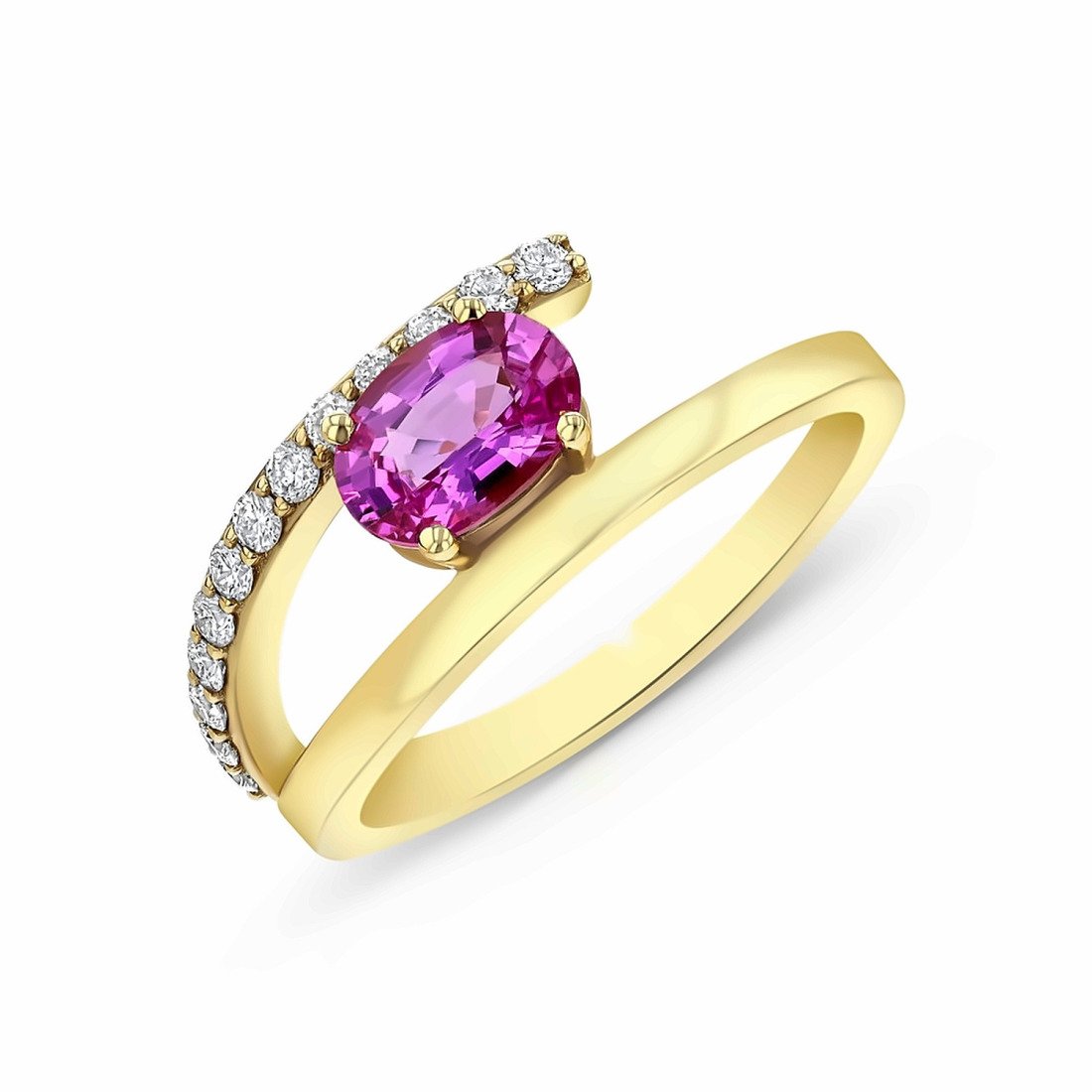
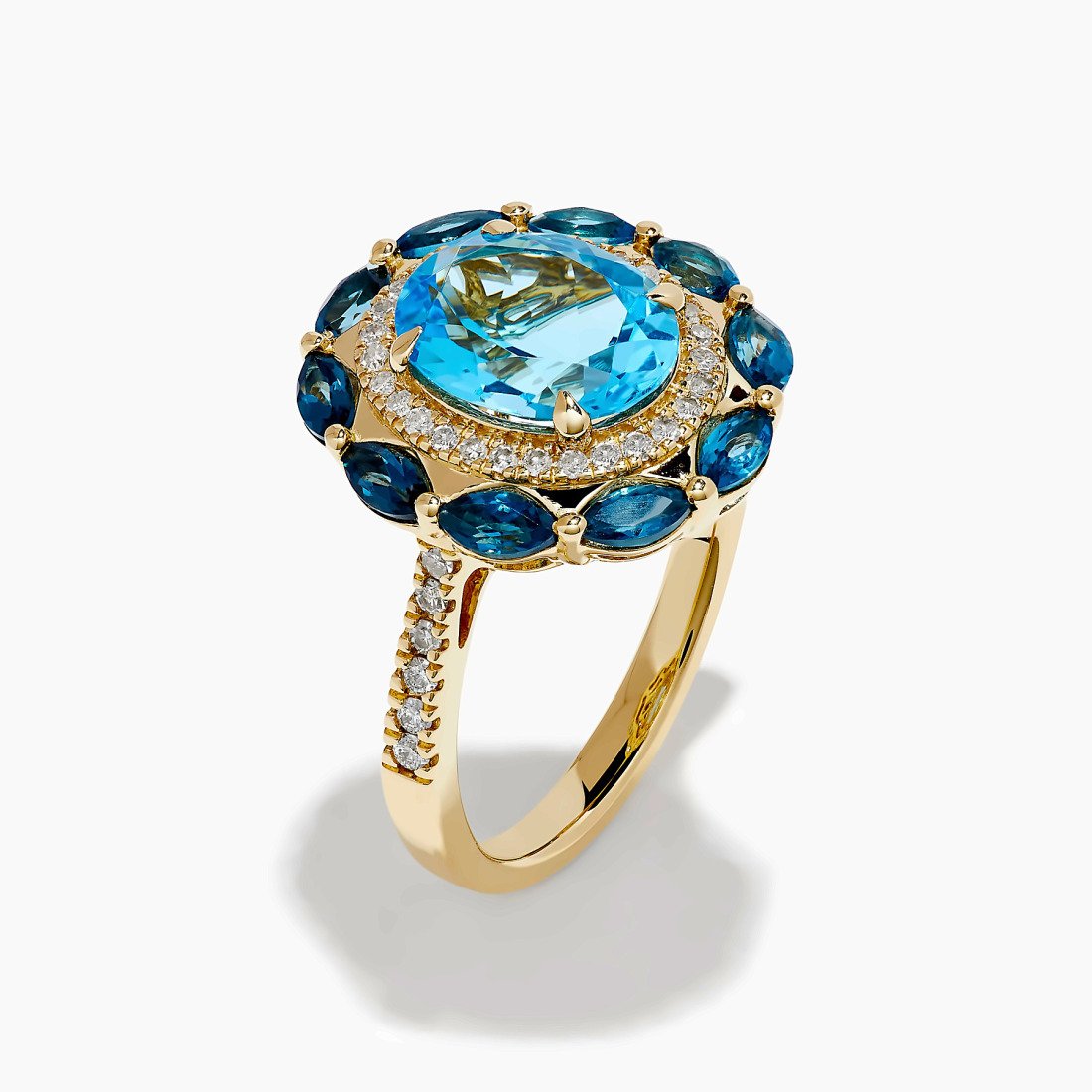
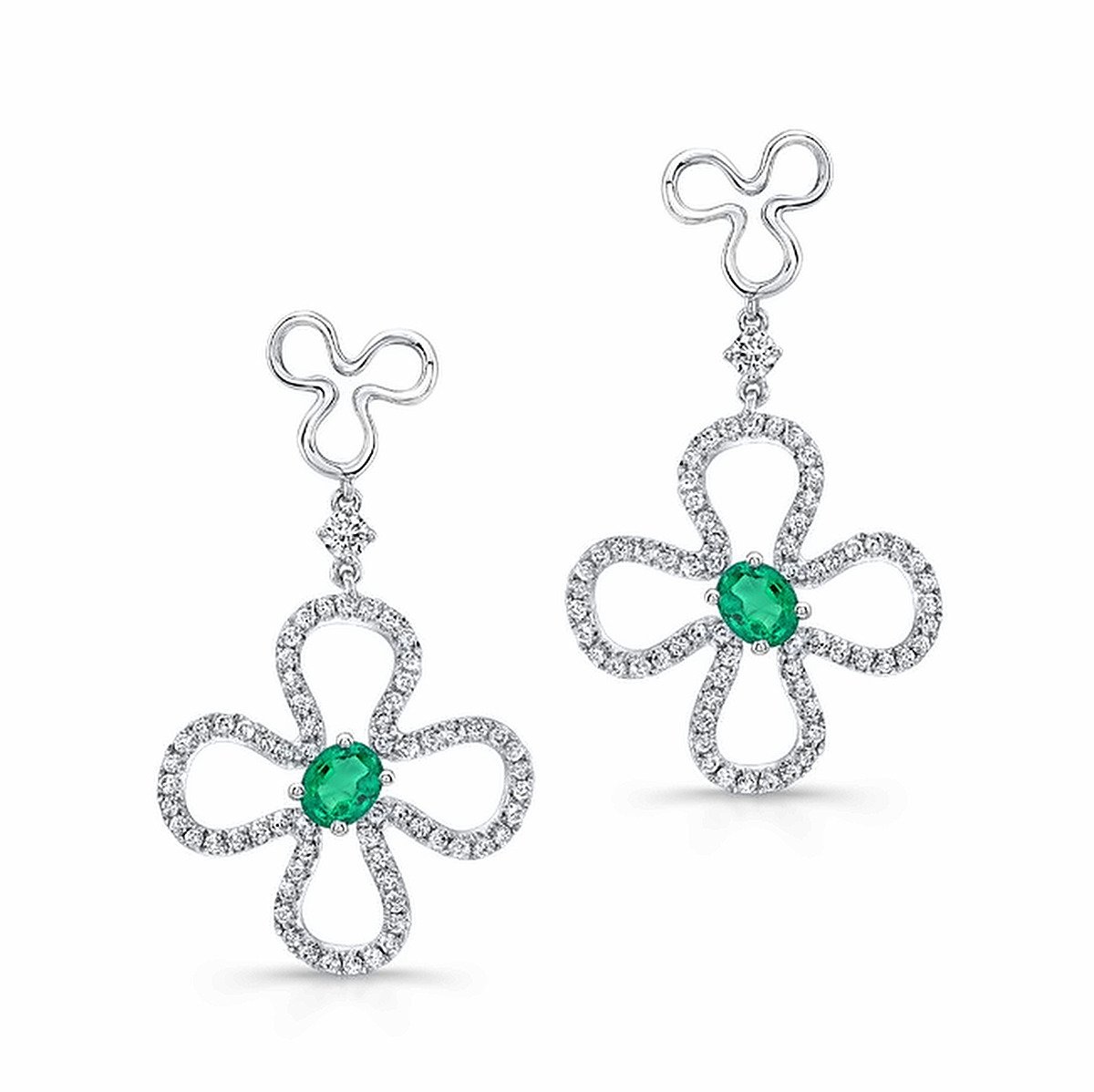
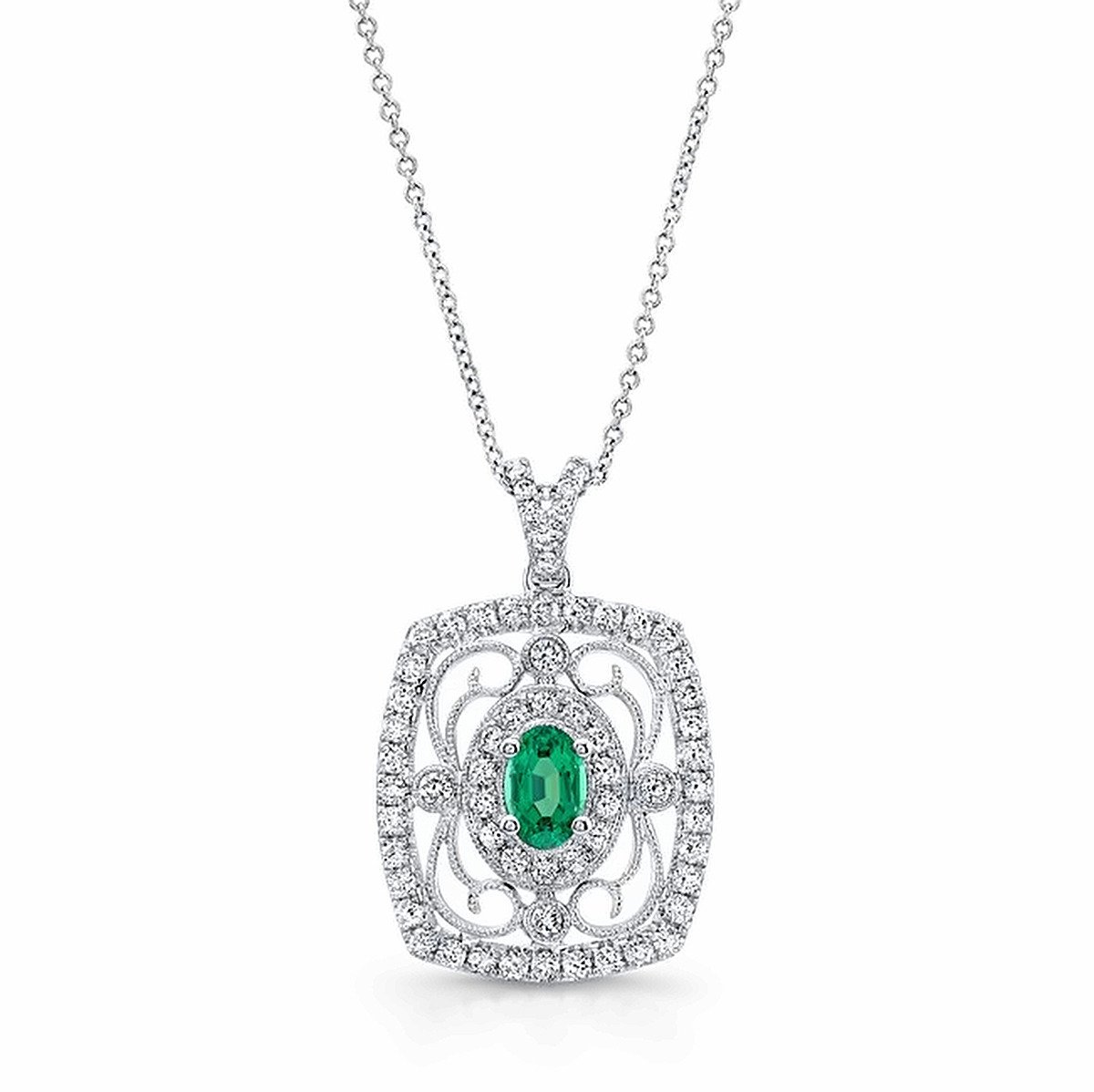
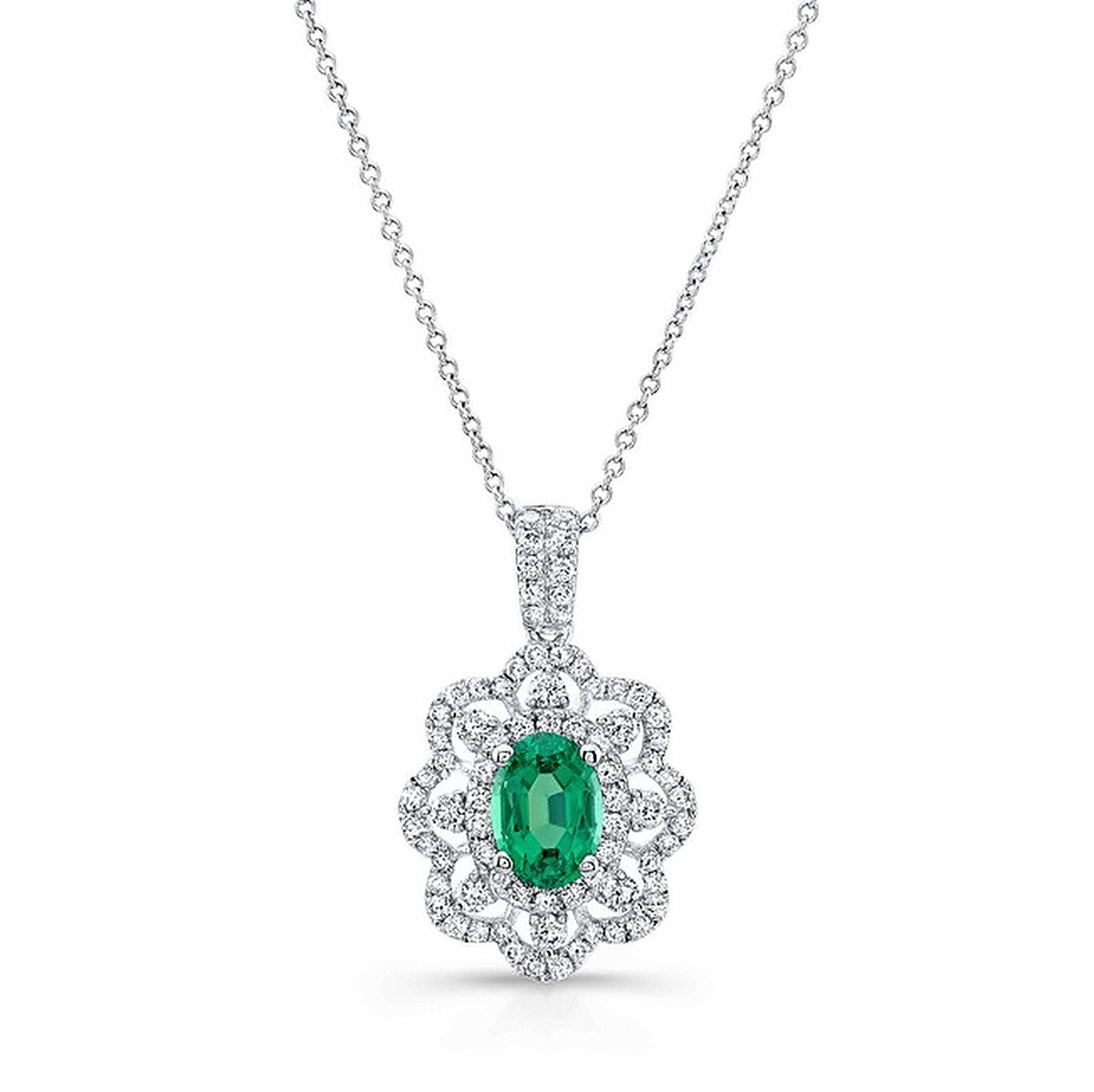
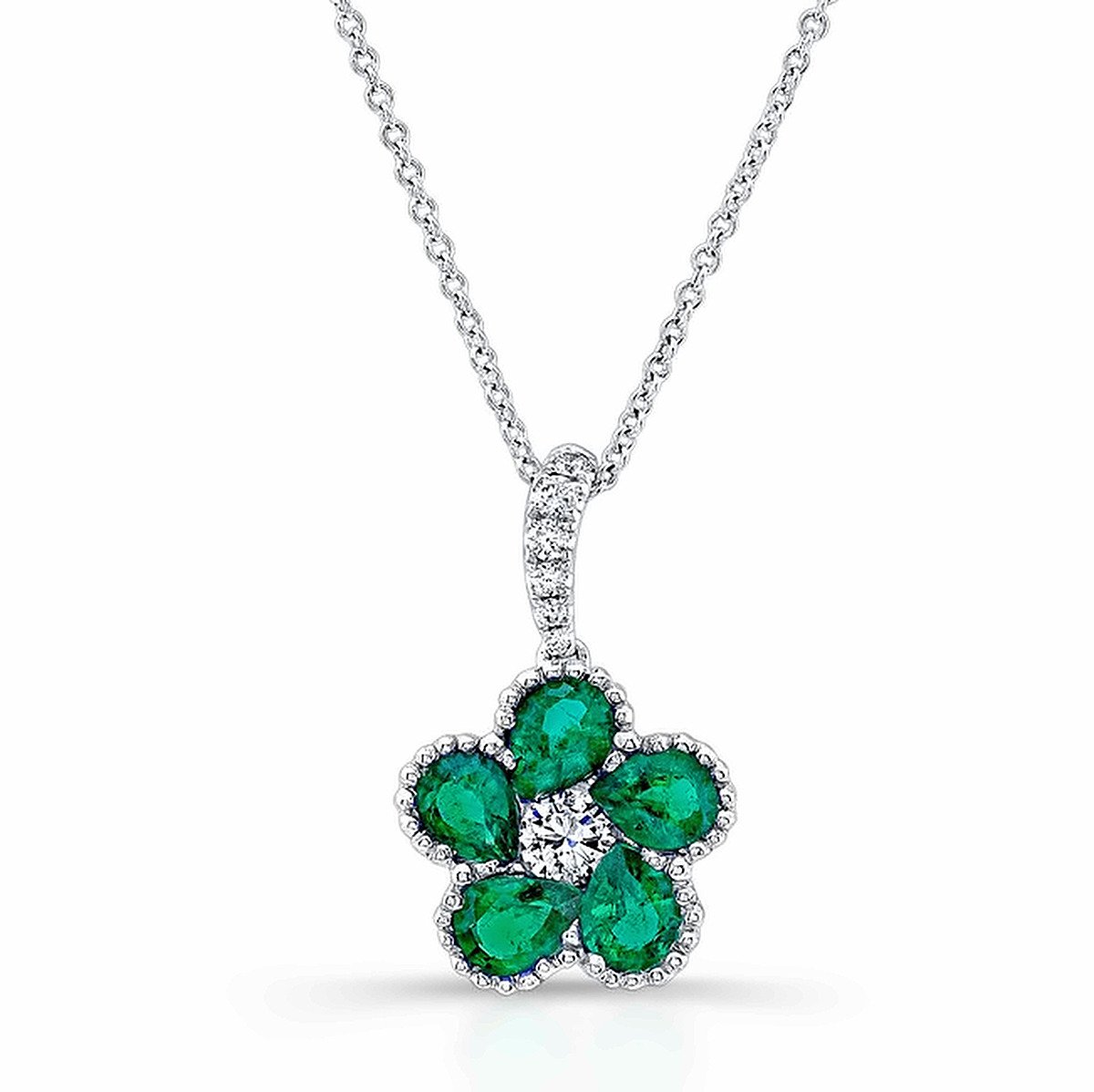
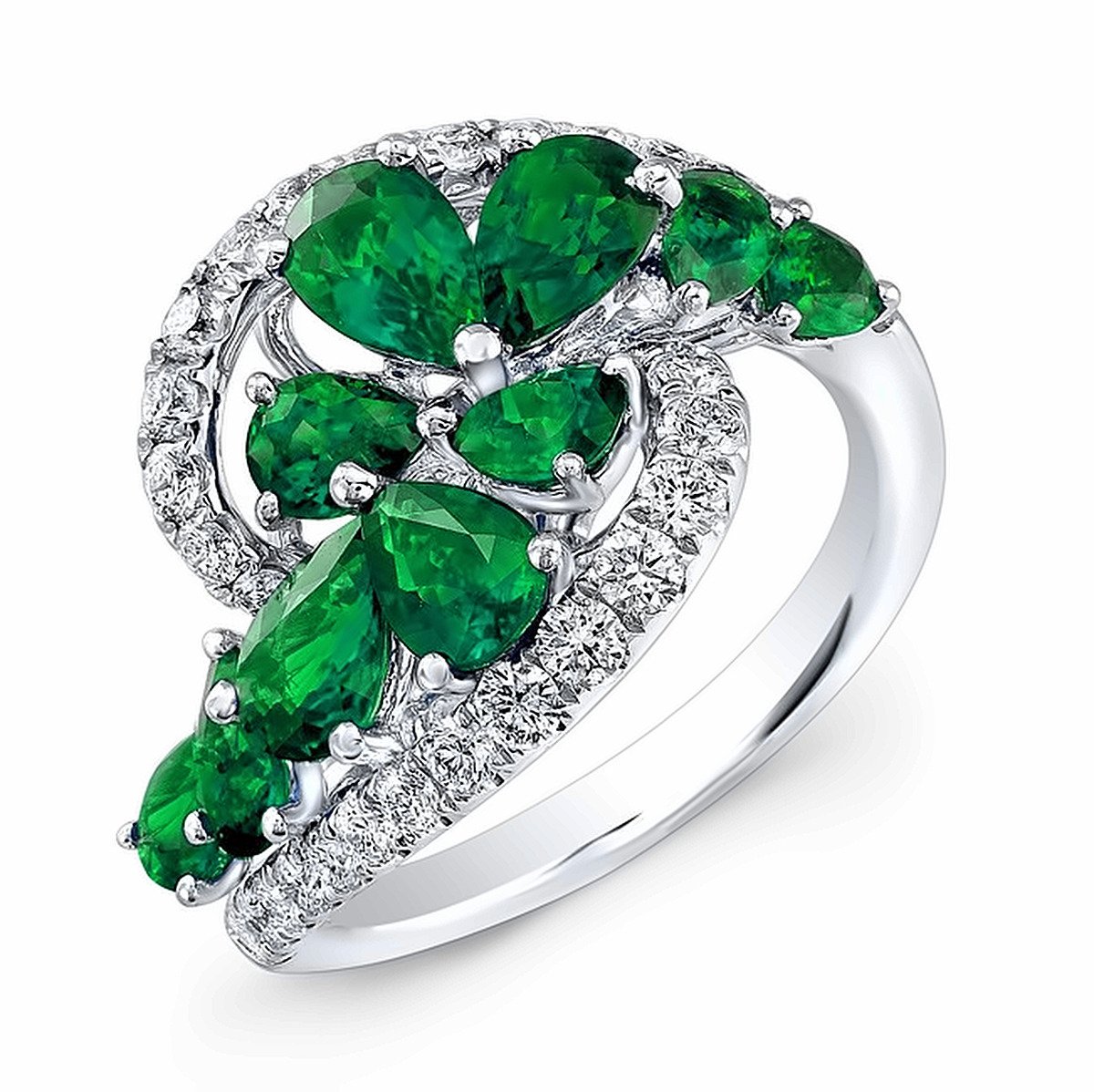
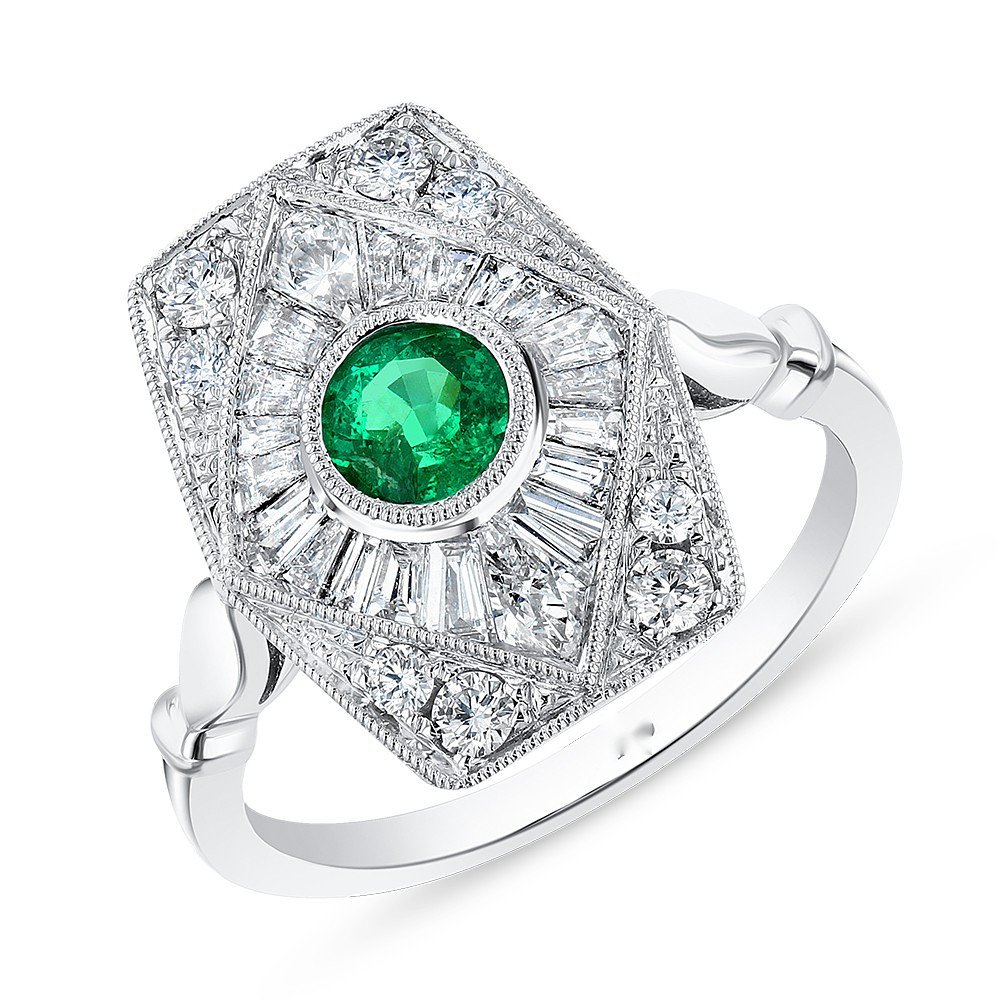
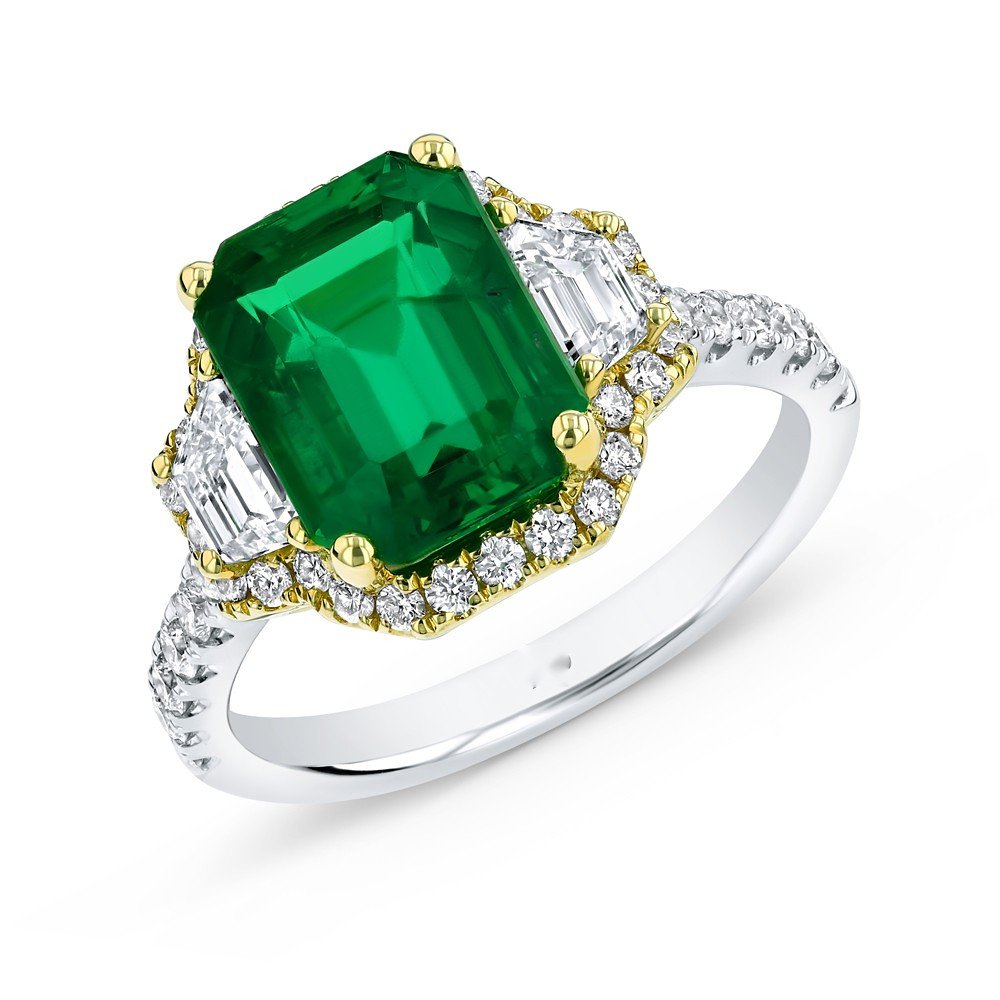
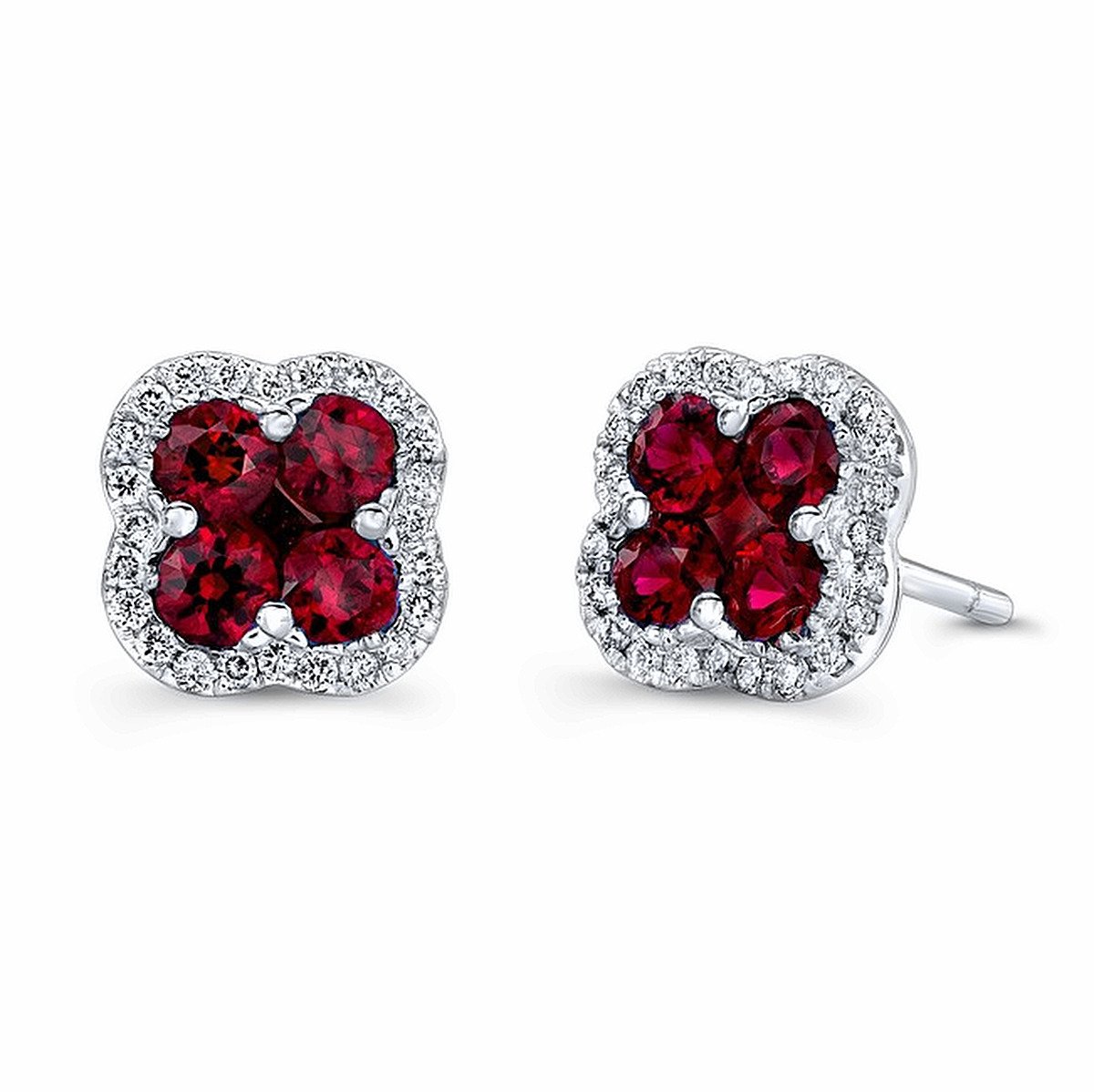
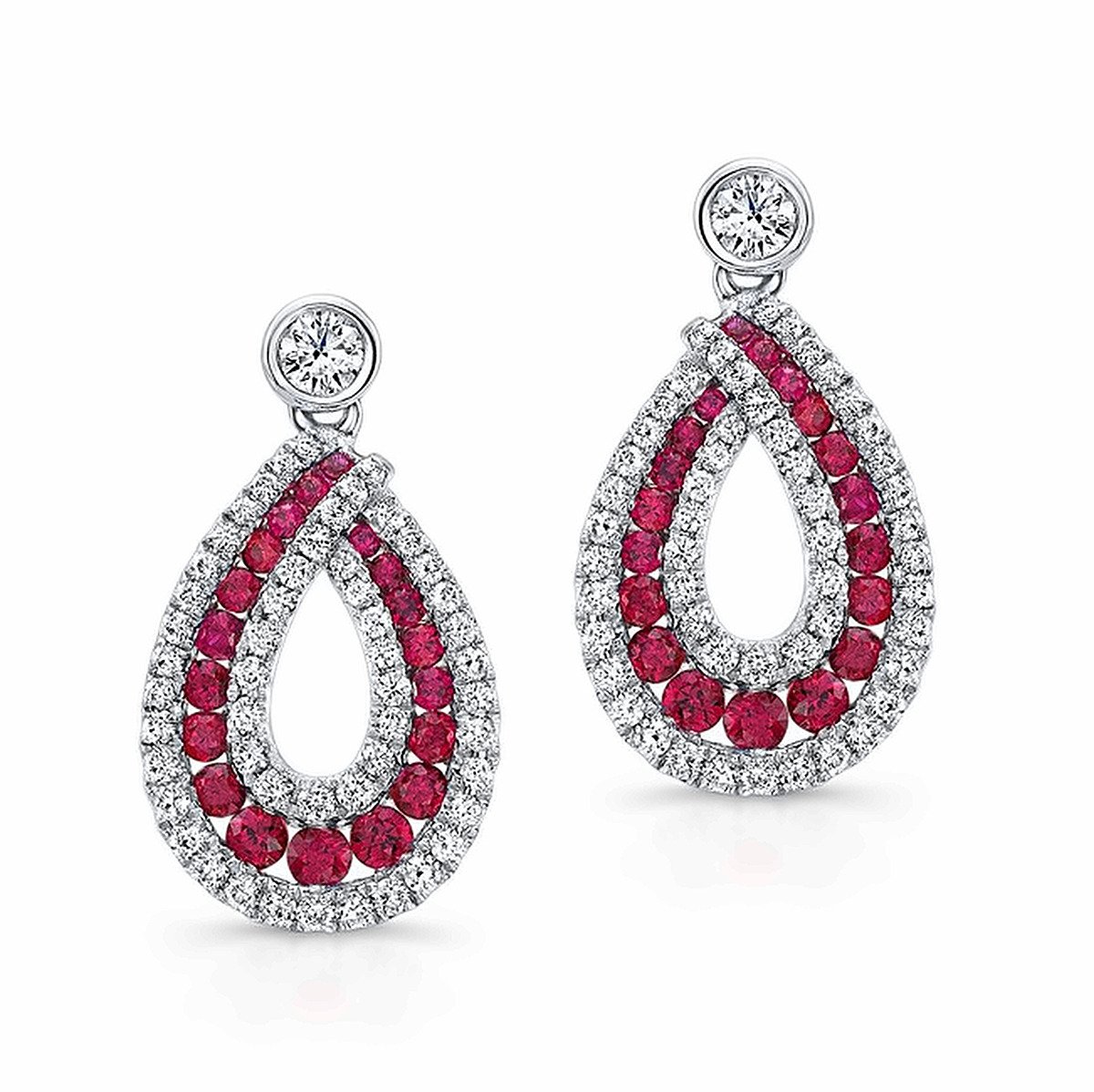
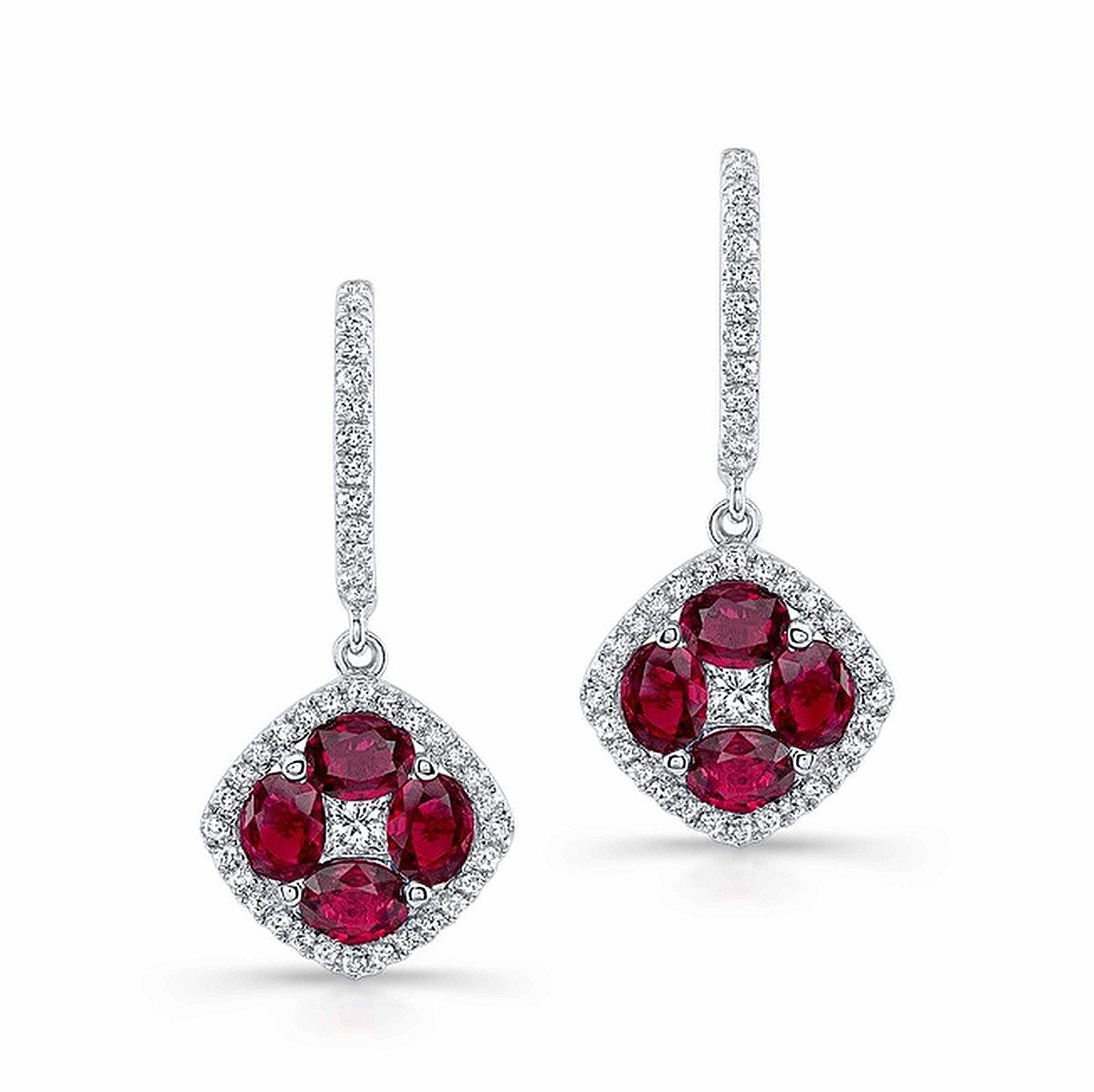
IDC Cayman coloured gemstone jewellery is set in Grand Cayman's premier fine jewellery boutique in George Town. The collection features sapphires, emeralds, rubies, aquamarines, morganites, tanzanites, and a wide selection of semi-precious stones — all set in platinum or 18-carat gold to the same exacting standards applied to IDC Cayman's diamond collection. Coloured gemstones are available as ring centre stones, pendant drops, earring pairs, and as accent stones alongside diamonds. Bespoke coloured gemstone jewellery — including engagement rings featuring sapphires, emeralds, or rubies as the centre stone — is a speciality of the IDC Cayman atelier. All gemstone jewellery is sold entirely tax-free, with zero import duty and zero sales tax applicable in the Cayman Islands.

Where a diamond speaks of brilliance, a coloured gemstone speaks of personality — and nothing suits the Caribbean quite like colour.

IDC Cayman brings together a vivid collection of coloured gemstone jewellery: the deep blue of sapphire, the green fire of emerald, and a spectrum of rare colour beyond. Each stone is chosen for the richness of its colour and the quality of its cut, then set in platinum or 18-carat gold by hand. Looking for a particular gemstone? Our sourcing service can find it — and as always, everything is offered entirely tax-free.

The Collection

Gemstones at IDC Cayman

Pieces from this collection, shown live from our boutique. Select any piece to view its full details, or enquire with our team.

Loading the collection…

By Stone

Explore Our Gemstones

From classic precious stones to a full rainbow of rare colour.

Choosing Colour

The Beauty of Coloured Stones

With coloured gemstones, colour is everything — its hue, its depth and how evenly it runs through the stone. The finest gems hold a rich, vivid colour that comes alive in natural light, exactly the way Caribbean light shows them best.

Durability matters too. Sapphires are wonderfully hard and perfect for everyday rings; emeralds are softer and adored for special-occasion pieces. Whatever draws your eye, we will explain how to choose and care for it — and can source a specific stone on request.

Ask About Sourcing
The IDC Promise

Why Choose Gemstones at IDC Cayman

GIA-Certified

Independently graded by the Gemological Institute of America — certainty with every stone.

Entirely Tax-Free

No duty, no sales tax. Exceptional value on every purchase in the Cayman Islands.

Bespoke Service

Prefer something unique? Our atelier designs and crafts one-of-a-kind pieces by hand.

Lifetime Care

Cleaning, inspection and resizing — we care for your jewellery for life.

Questions

Good to Know

What is the most popular coloured gemstone for an engagement ring?
The sapphire is by far the most popular coloured gemstone for engagement rings, driven by its hardness (9 on the Mohs scale — second only to diamond), its rich spectrum of colours, and its famous royal history. The blue sapphire — particularly the rich cornflower blue or royal blue variety — is the classic choice, made globally iconic by Princess Diana's engagement ring, now worn by the Princess of Wales. Sapphires are also available in pink, yellow, white, padparadscha (orange-pink), and other colours. Emeralds and rubies are also chosen for engagement rings, though their relative softness (7.5–8 for emerald, 9 for ruby) requires careful setting and wear.
What is the difference between a sapphire and a blue sapphire?
All sapphires belong to the corundum mineral family. 'Blue sapphire' refers specifically to corundum in blue, while 'sapphire' is the broader term covering all non-red corundum — including pink sapphire, yellow sapphire, white sapphire, orange sapphire, and the prized padparadscha (orange-pink). Red corundum is classified separately as ruby. When jewellers refer to 'a sapphire' without specifying colour, they typically mean a blue sapphire — the most popular and best-known variety.
What colour sapphire is the most valuable?
The most valuable sapphires are an intense, vivid blue known as 'cornflower blue' or 'royal blue' — a medium to medium-dark tone with strong saturation and no grey or blackish overtones. Sapphires from Kashmir (historically the most prized origin, now extremely rare and valuable) are known for a distinctive velvety blue. Ceylon (Sri Lanka) sapphires have a bright, medium blue; Burmese sapphires are typically darker. The finest sapphires also exhibit a phenomenon called 'silk' — microscopic rutile inclusions that scatter light, enhancing the stone's colour depth.
What is a Padparadscha sapphire?
Padparadscha is the rarest and most valuable variety of sapphire, displaying a delicate combination of pink and orange reminiscent of a tropical sunset or a lotus blossom — the name comes from the Sinhalese word for the sacred lotus. True padparadscha must be a natural, unheated or minimally heated stone in a precise range of pink-orange to orange-pink — too pink and it becomes a pink sapphire; too orange and it becomes an orange sapphire. Padparadscha sapphires are primarily found in Sri Lanka and are prized by collectors and connoisseurs for their exceptional rarity.
What is the hardness of a sapphire on the Mohs scale?
Sapphire has a Mohs hardness of 9 out of 10 — second only to diamond (10) among natural gemstones. The Mohs scale measures scratch resistance: a mineral of higher hardness will scratch a softer one. At 9, sapphire is exceptionally hard and resistant to everyday abrasion, making it one of the best choices for rings and jewellery designed for continuous wear. For comparison, ruby (also corundum) is also 9; emerald is 7.5–8; and topaz is 8.
Are sapphires durable enough for everyday wear?
Yes. Sapphire is one of the few coloured gemstones genuinely suited to everyday wear in a ring or bracelet, thanks to its exceptional hardness of 9 on the Mohs scale. It resists scratching from nearly all everyday surfaces. It is also relatively tough — less prone to chipping than diamond or emerald. Sapphires can be cleaned ultrasonically (unless heavily included or treated) and with warm soapy water. They require standard jewellery care — avoidance of harsh chemicals and physical impact — but are not fragile in everyday use.
What is the difference between a natural emerald and a synthetic emerald?
A natural emerald is formed in the earth over millions of years through the combination of beryl with chromium and vanadium trace elements. A synthetic (lab-grown) emerald has the same chemical composition (beryllium aluminium silicate) but is created in a laboratory in weeks. Synthetic emeralds can be visually identical to naturals but are generally less valuable. The most reliable way to distinguish them is through gemological testing — inclusions characteristic of natural emerald growth differ markedly from those in synthetic stones. Natural emeralds from Colombia, Zambia, and Brazil are the most commercially significant sources.
What does it mean when an emerald is 'oiled' or 'treated'?
Almost all commercially available natural emeralds are treated — typically with oil (most commonly cedarwood oil) or resin — to fill fractures and improve the stone's apparent clarity and colour. This is a widely accepted and long-established practice in the emerald trade, provided the treatment is disclosed. Oiling does not affect the stone's value in the same way as heat treatment in sapphires; lightly oiled emeralds are perfectly acceptable. Heavily oiled stones require more careful care — avoid ultrasonic cleaning and strong solvents. Grading laboratories, including the GIA, assess and report the degree of clarity enhancement in emeralds.
What is the most valuable colour in a ruby?
The most valuable rubies display a vivid, pure red colour sometimes described as 'pigeon blood' — an intense, slightly bluish red with no secondary orange or pink overtones. The red in ruby is caused by chromium. The best-quality rubies are found in Myanmar (Burma), particularly from the Mogok Valley, and command some of the highest per-carat prices of any gemstone. Vivid saturation with good transparency and minimal inclusions defines the finest quality.
What is a pigeon blood ruby?
Pigeon blood is a term used in the gem trade to describe the finest-quality ruby colour: an intense, pure red with a slight blue fluorescence, said to resemble the red of a freshly killed pigeon's eye. It is used descriptively rather than as a precise grading standard, though certain gemological laboratories (including Gübelin and SSEF) use the term in certificates to indicate exceptional colour. Pigeon blood rubies from Burma (Myanmar) are among the most valuable gemstones in the world.
What is the Mohs hardness scale for gemstones?
The Mohs hardness scale, developed by Friedrich Mohs in 1812, ranks minerals from 1 (talc) to 10 (diamond) based on their ability to resist scratching. For jewellery, hardness indicates how well a gemstone will survive everyday wear without developing surface scratches. Key gemstone hardnesses: diamond 10, ruby and sapphire 9, alexandrite and chrysoberyl 8.5, spinel 8, topaz 8, emerald and aquamarine 7.5–8, amethyst and citrine 7, tanzanite 6.5, opal 5.5–6.5. For rings worn daily, gemstones of 7.5 or above are generally recommended; softer stones are better suited to earrings and pendants.
What gemstones are suitable for an engagement ring?
Gemstones suitable for engagement rings are those hard enough to resist daily wear and have no cleavage planes that make them prone to splitting. The best choices are: sapphire (Mohs 9), ruby (9), alexandrite (8.5), spinel (8), aquamarine (7.5), and tsavorite garnet (7.5). Emerald (7.5–8) is technically durable but has significant natural fracturing that makes it more fragile than its hardness suggests; it is better suited to a protected bezel or three-claw setting. Softer stones such as opal, tanzanite, and pearl are best avoided for engagement rings unless the wearer is prepared for very careful wear.
What is a birthstone and which gemstone corresponds to which month?
A birthstone is a gemstone traditionally associated with a month of the year, used as a symbol of birth and personal connection. The modern birthstone list (standardised by the American National Retail Jewelers Association in 1912) includes: January — garnet, February — amethyst, March — aquamarine, April — diamond, May — emerald, June — pearl or alexandrite, July — ruby, August — peridot, September — sapphire, October — opal or tourmaline, November — topaz or citrine, December — tanzanite or blue topaz. Birthstone jewellery is a popular and meaningful gift for birthdays, anniversaries, and milestone celebrations.
What is the difference between a precious gemstone and a semi-precious gemstone?
The distinction between 'precious' and 'semi-precious' gemstones is a traditional trade classification with no formal scientific basis. The four 'precious' stones — diamond, emerald, ruby, and sapphire — were historically designated as such because of their rarity, hardness, and value. All other gemstones were classified as 'semi-precious'. This distinction is now considered outdated: many so-called semi-precious stones (alexandrite, tsavorite, paraíba tourmaline, Kashmir sapphire) are far rarer and more valuable than low-quality diamonds, rubies, or emeralds. The more useful distinction is gemstone quality within a species rather than which group it belongs to.
What is a morganite and why is it popular for jewellery?
Morganite is a variety of beryl (the same mineral family as emerald and aquamarine) ranging in colour from soft pink to peachy-pink to salmon, coloured by manganese. It is typically found in Brazil, Madagascar, and Afghanistan. Morganite has become extremely popular for engagement rings over the past decade, valued for its romantic blush colour, its excellent clarity (it is typically eye-clean), and its relative affordability compared with sapphire and ruby. At Mohs 7.5–8, it is moderately hard — durable for ring wear with reasonable care. Morganite looks particularly beautiful set in rose gold, which enhances its warm pink tone.
What is a tanzanite gemstone?
Tanzanite is a blue-violet gemstone found exclusively in the Merelani Hills of northern Tanzania — making it one of the rarest gemstones on earth, found in a single location. It was discovered in 1967 and rapidly became one of the most popular coloured gemstones in the world, introduced to international attention by Tiffany & Co. Tanzanite displays strong trichroism — appearing blue, violet, or burgundy depending on the viewing angle and lighting. Most tanzanite is heat-treated to enhance its blue-violet colour. It has a Mohs hardness of 6.5, making it suitable for pendants, earrings, and carefully worn rings.
What is aquamarine and what colour is it?
Aquamarine is a variety of beryl coloured by iron, ranging from pale sky blue to deep seafloor blue. The name comes from the Latin for 'water of the sea'. The most desirable aquamarines are a rich, intense blue with good transparency. Major sources include Brazil, Nigeria, Madagascar, and Pakistan. Aquamarine has a Mohs hardness of 7.5–8, making it durable for everyday jewellery. It is typically eye-clean (free of visible inclusions) and is one of the most affordable of the fine coloured gemstones, offering beautiful colour at accessible price points.
Can coloured gemstones be set in platinum?
Yes. Platinum is an excellent setting metal for coloured gemstones — its bright white colour enhances the saturation of blue, green, and pink stones without adding any competing warmth. Platinum's security and durability are particularly important for precious gemstones: prongs in platinum hold sapphires, emeralds, and rubies firmly over decades of wear. Many fine gemstone rings are set in platinum for these reasons. IDC Cayman sets all coloured gemstone jewellery in either platinum or 18-carat gold, chosen to complement the colour and character of each stone.
How do I care for a coloured gemstone ring?
Coloured gemstone rings require slightly more care than diamond rings, as most gemstones are softer or more included than diamonds. General guidelines: remove the ring before activities involving heavy work, impacts, or harsh chemicals. Clean with warm soapy water and a soft brush — avoid ultrasonic cleaners for emeralds (oiled), opals, tanzanite, and pearls. Have settings checked annually by a jeweller, particularly prongs holding softer stones. Avoid sudden temperature changes for opals. Store separately to prevent harder gemstones scratching softer ones. IDC Cayman provides specific care advice with every gemstone purchase.
What is a sapphire engagement ring — history and meaning?
Sapphire engagement rings have a history stretching back centuries, associated with royalty, fidelity, and divine favour — the blue of a sapphire was believed to reflect the heavens. The most celebrated modern sapphire engagement ring is the 12-carat oval Ceylon sapphire surrounded by diamonds chosen by Prince Charles for Lady Diana Spencer in 1981, now worn by the Princess of Wales. This ring brought the sapphire engagement ring to global attention and sparked enduring demand for the style. Blue sapphire engagement rings are now second in popularity only to diamond solitaires.
What coloured gemstones does IDC Cayman carry?
IDC Cayman carries sapphires (blue, pink, yellow, and padparadscha), emeralds, rubies, aquamarines, morganites, and a selection of semi-precious stones including tanzanite, amethyst, and topaz. All stones are set in platinum or 18-carat gold. The collection includes coloured gemstone engagement rings, earrings, pendants, necklaces, and bracelets. Specific stones — particularly fine sapphires and rubies — can be sourced on request.
Does IDC Cayman offer sapphire engagement rings?
Yes. IDC Cayman offers sapphire engagement rings as both a collection choice and a fully bespoke option. Blue sapphire solitaires, sapphire-and-diamond halos, and three-stone sapphire rings are popular bespoke commissions. Clients can choose the sapphire — reviewing its colour, size, and origin — and then work with the IDC Cayman atelier to design the setting. Pink sapphires and padparadscha sapphires are also available for those seeking a more unusual choice.
Can I commission a bespoke gemstone ring at IDC Cayman?
Yes. Bespoke gemstone ring design is a speciality of the IDC Cayman atelier. Whether you want a sapphire set in a contemporary platinum mounting, an emerald in a vintage-inspired gold setting, or a padparadscha in a one-of-a-kind commission, our team will guide you from stone selection through final design to the finished piece. Bespoke gemstone pieces typically take four to eight weeks from approved design.
Are IDC Cayman gemstone rings tax-free?
Yes. All purchases at IDC Cayman — including coloured gemstone jewellery — are sold entirely free of import duty and sales tax. The Cayman Islands levies zero tax on jewellery and precious gemstones, representing a saving of 20%+ for UK buyers (VAT), 10% for Australian buyers (GST), and the applicable sales tax for American buyers.
What metals does IDC Cayman use for gemstone jewellery?
IDC Cayman sets all gemstone jewellery in platinum and 18-carat gold — yellow, white, or rose. The choice of metal is guided by the gemstone's colour: platinum and white gold enhance blue sapphires, emeralds, and aquamarines; yellow gold complements warm-toned stones such as yellow sapphire, citrine, and topaz; rose gold pairs beautifully with morganite, pink sapphire, and ruby. The team at IDC Cayman will recommend the metal that best flatters the specific stone chosen.
Add Some Colour

Find Your Colour Story

Visit our George Town showroom to explore coloured gemstone jewellery, or ask our team to source a stone for you.

Book an Appointment   Visit the Showroom
Stay in Touch

Be First to See New Arrivals

Join the IDC Cayman list for private viewings, new collections and jewellery inspiration from Grand Cayman.