Complimentary delivery across the Cayman Islands  ·  Every purchase entirely tax-free
×HomeEngagement Rings
SolitaireThree-StoneHidden HaloVintageNature-InspiredRound BrilliantOvalCushionEmerald CutPearAll Engagement RingsThe 4Cs GuideBook a Consultation
Wedding Rings
Women's Wedding RingsMen's Wedding RingsEternity RingsClassic Gold BandsDiamond-Set BandsShaped & CurvedAll Wedding RingsBook a Consultation
Diamonds
All DiamondsDiamond StudsDiamond PendantsRound BrilliantOvalCushionEmerald CutPearThe 4Cs ExplainedGIA CertificationDiamond Buying Guide
GemstonesJewellery
EarringsNecklaces & PendantsRingsBraceletsGemstonesFine JewelleryShop AllThe JournalBespoke Design
JournalAboutServicesBook an Appointment
Home / Fine Jewellery
Fine Jewellery

Everyday Brilliance

Diamond and gold earrings, necklaces, bracelets and rings — fine jewellery for every day and every occasion.

Fine jewellery is the punctuation of a life well lived — the gift that marks a birthday, the piece worn every single day, the heirloom passed quietly down.

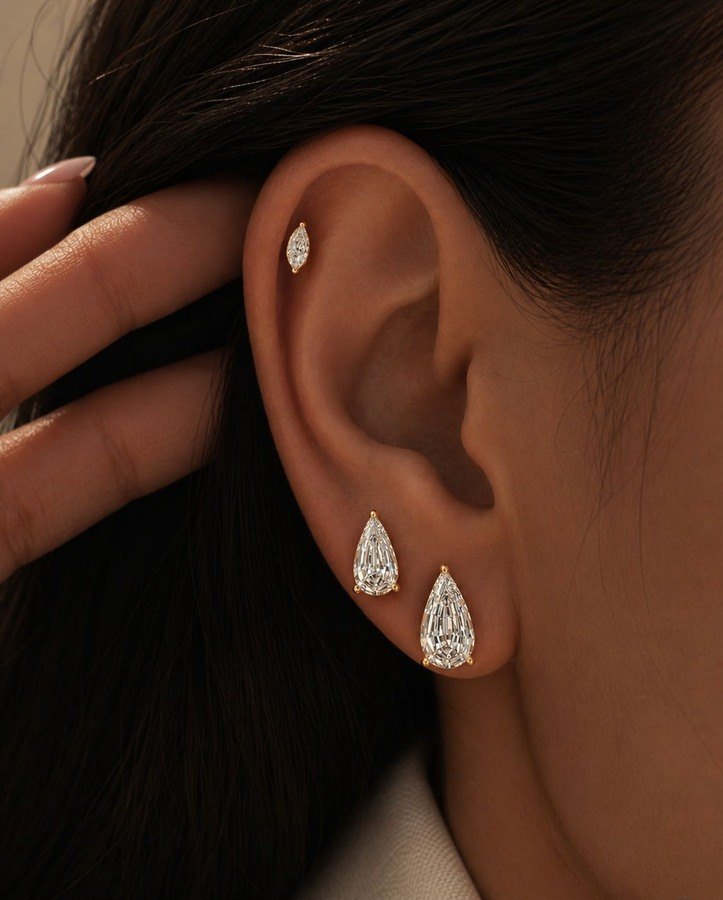
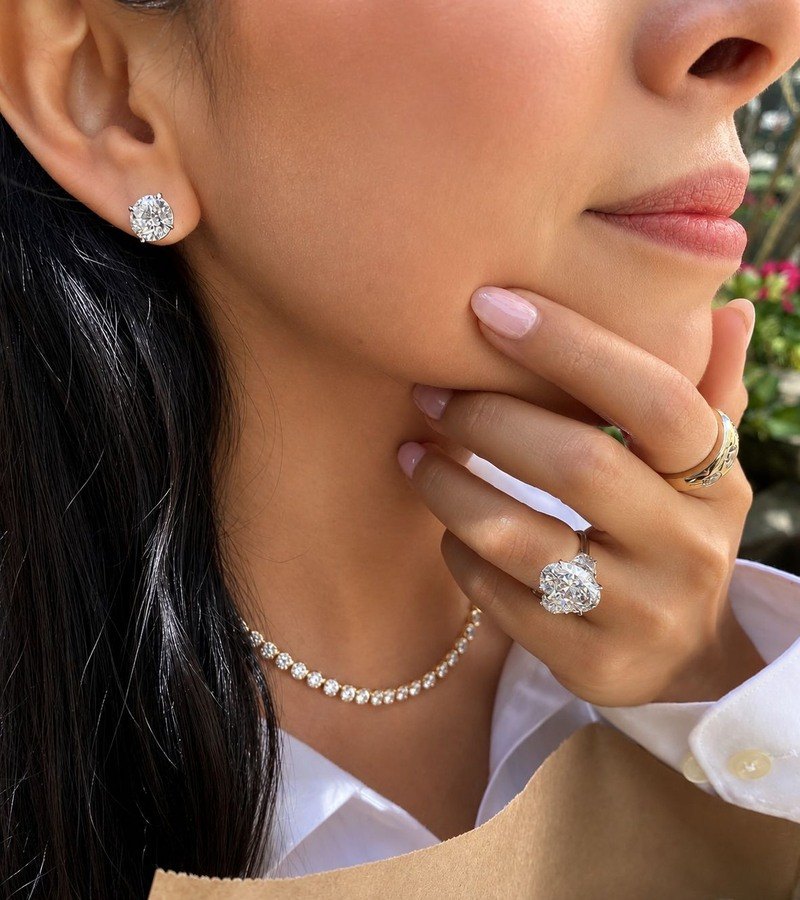
Beyond engagement and wedding rings, IDC Cayman offers a full collection of fine jewellery: brilliant diamond studs, tennis necklaces and bracelets, coloured gemstone pieces and elegant gold designs. Each is crafted in platinum or 18-carat gold to be worn and loved, not locked away — and every piece is offered entirely free of duty and tax.

The Collection

Fine Jewellery at IDC Cayman

Pieces from this collection, shown live from our boutique. Select any piece to view its full details, or enquire with our team.

Loading the collection…

By Category

Explore Fine Jewellery

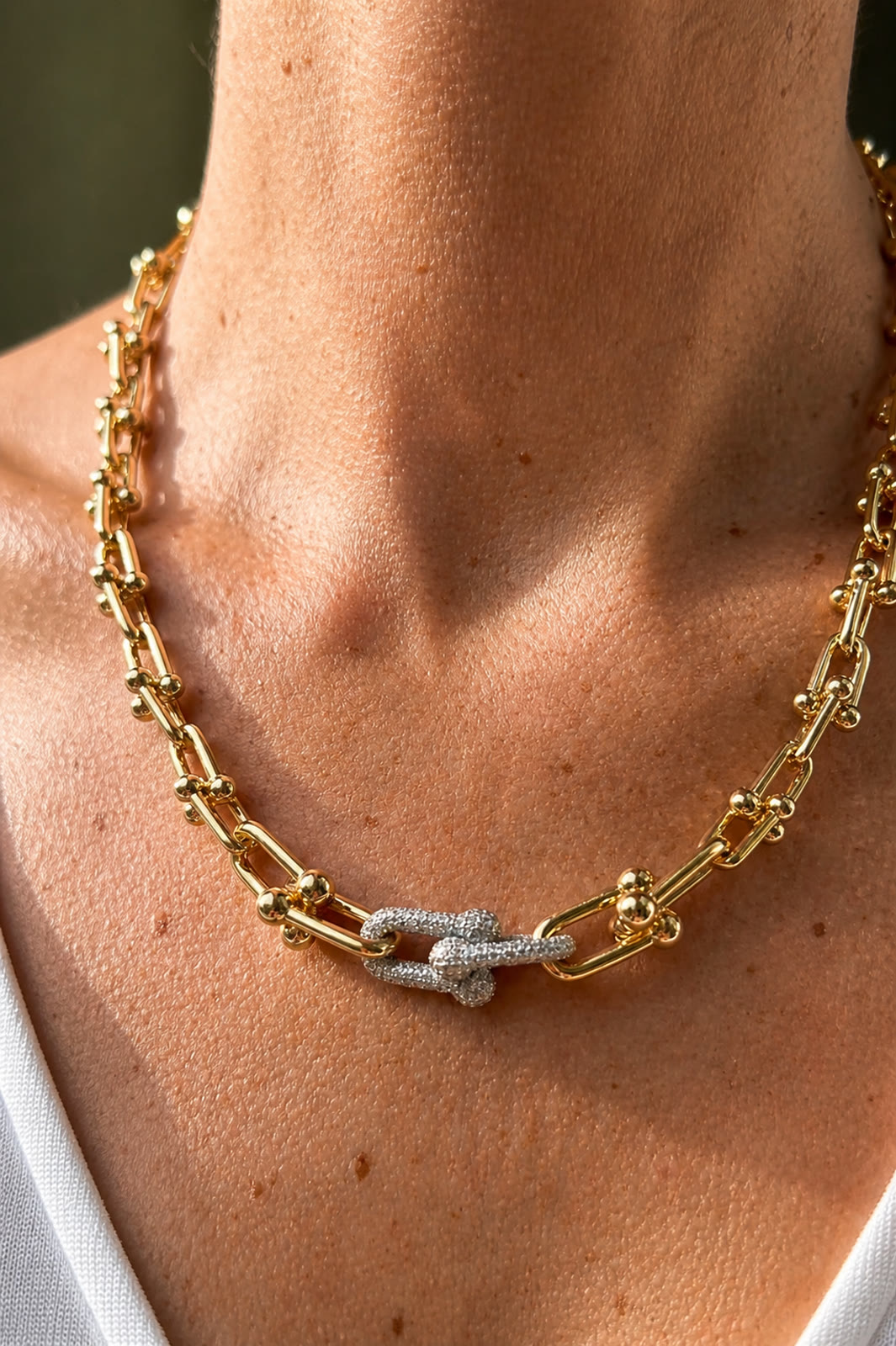
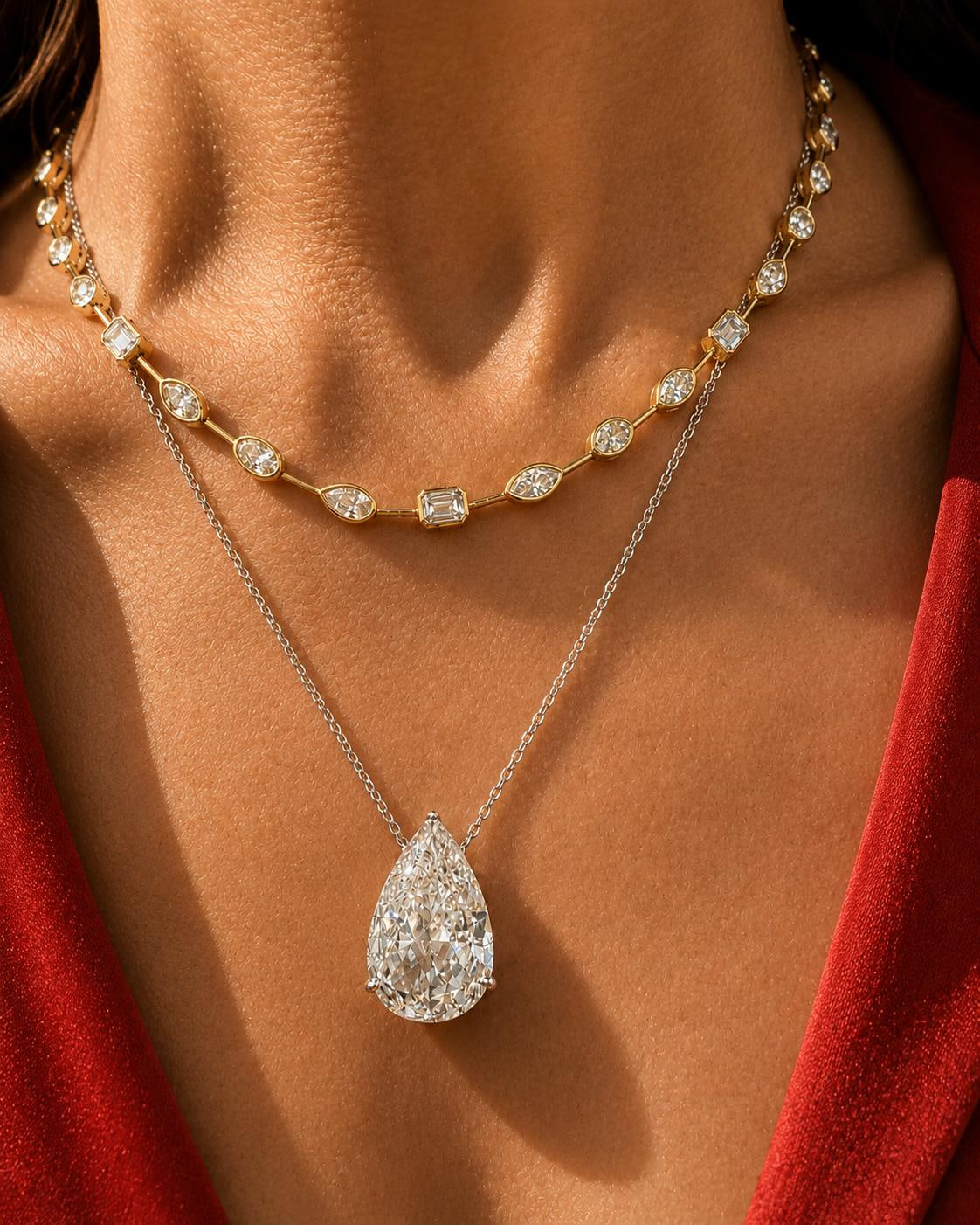
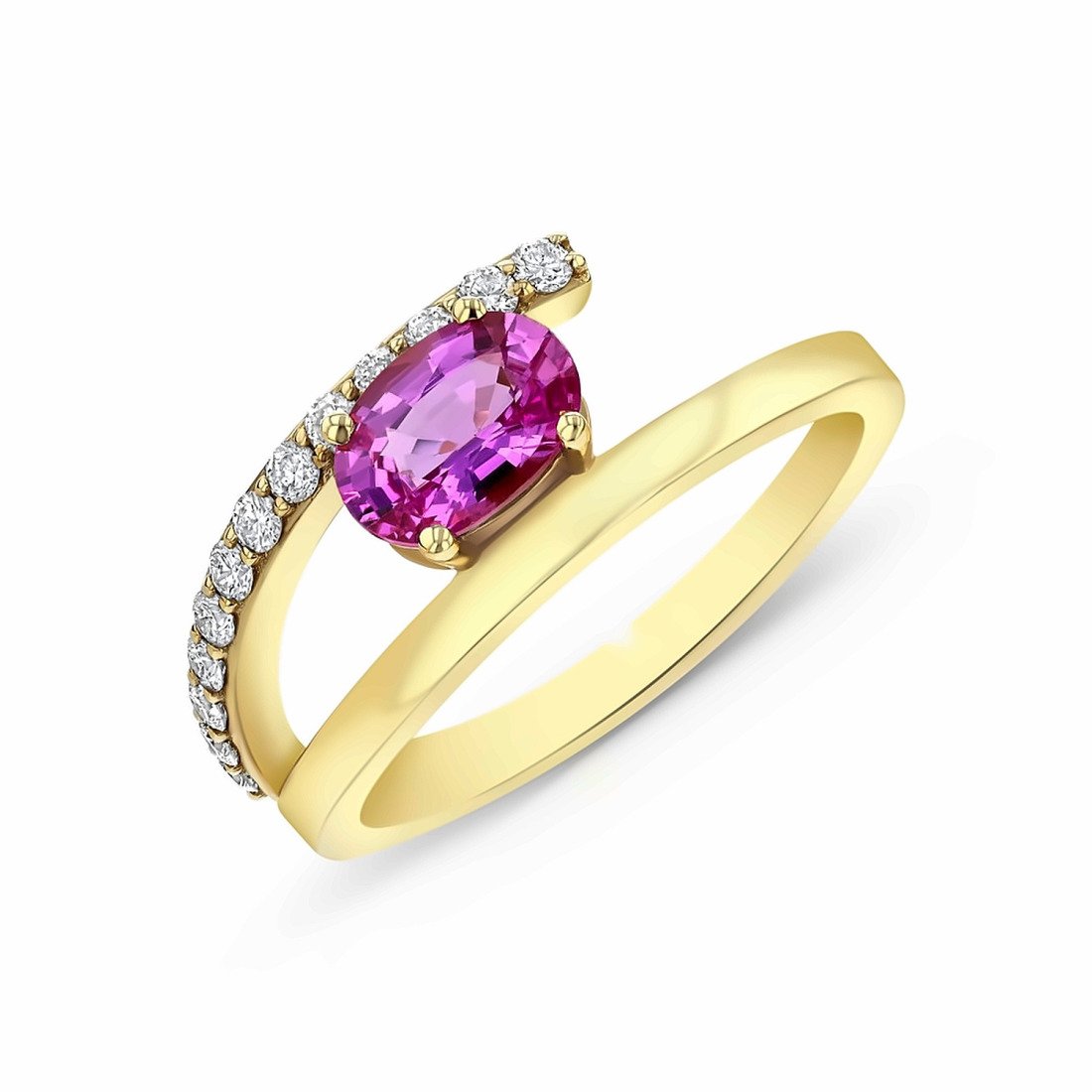
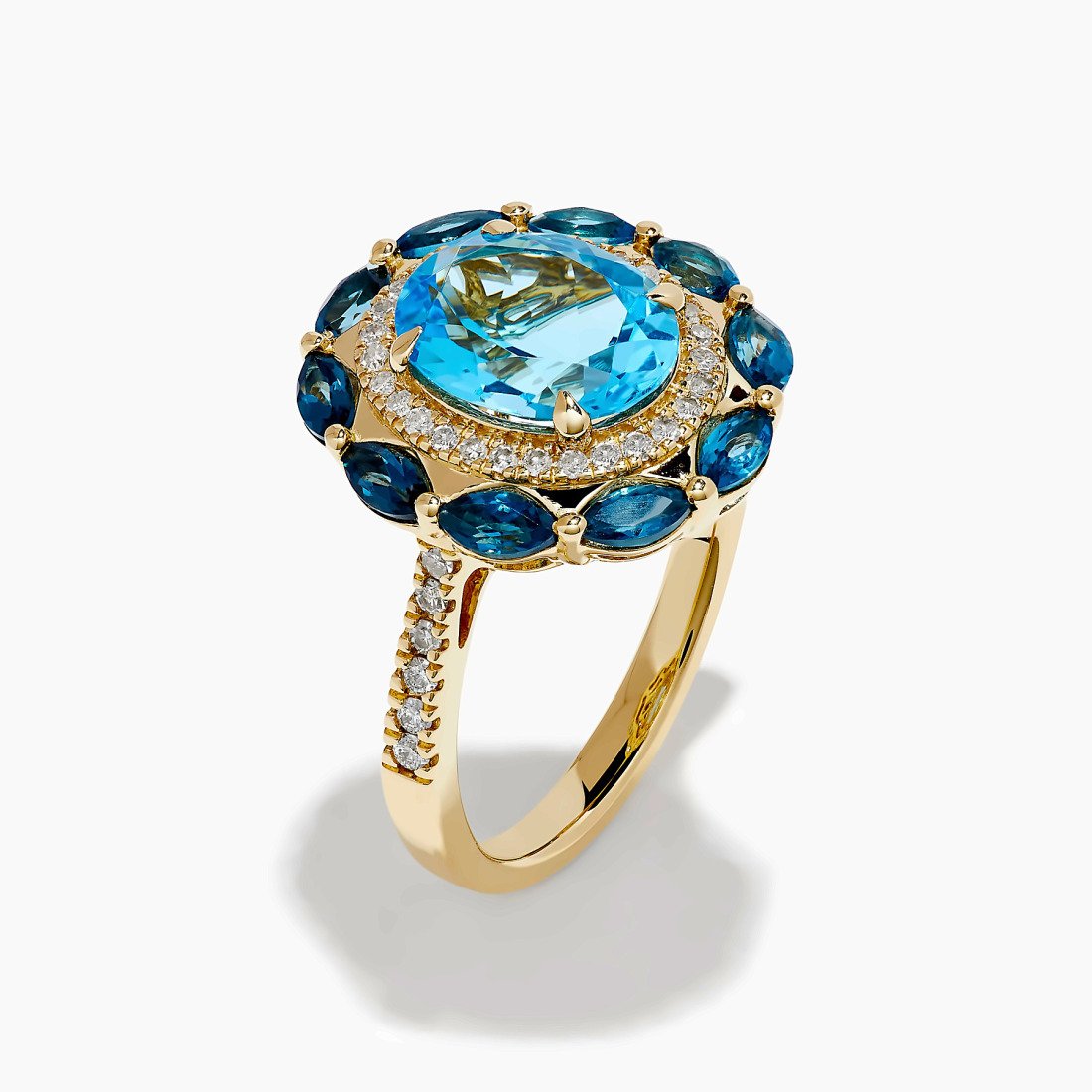
Four collections to wear alone, or layered together.

The Art of Layering

Pieces That Work Together

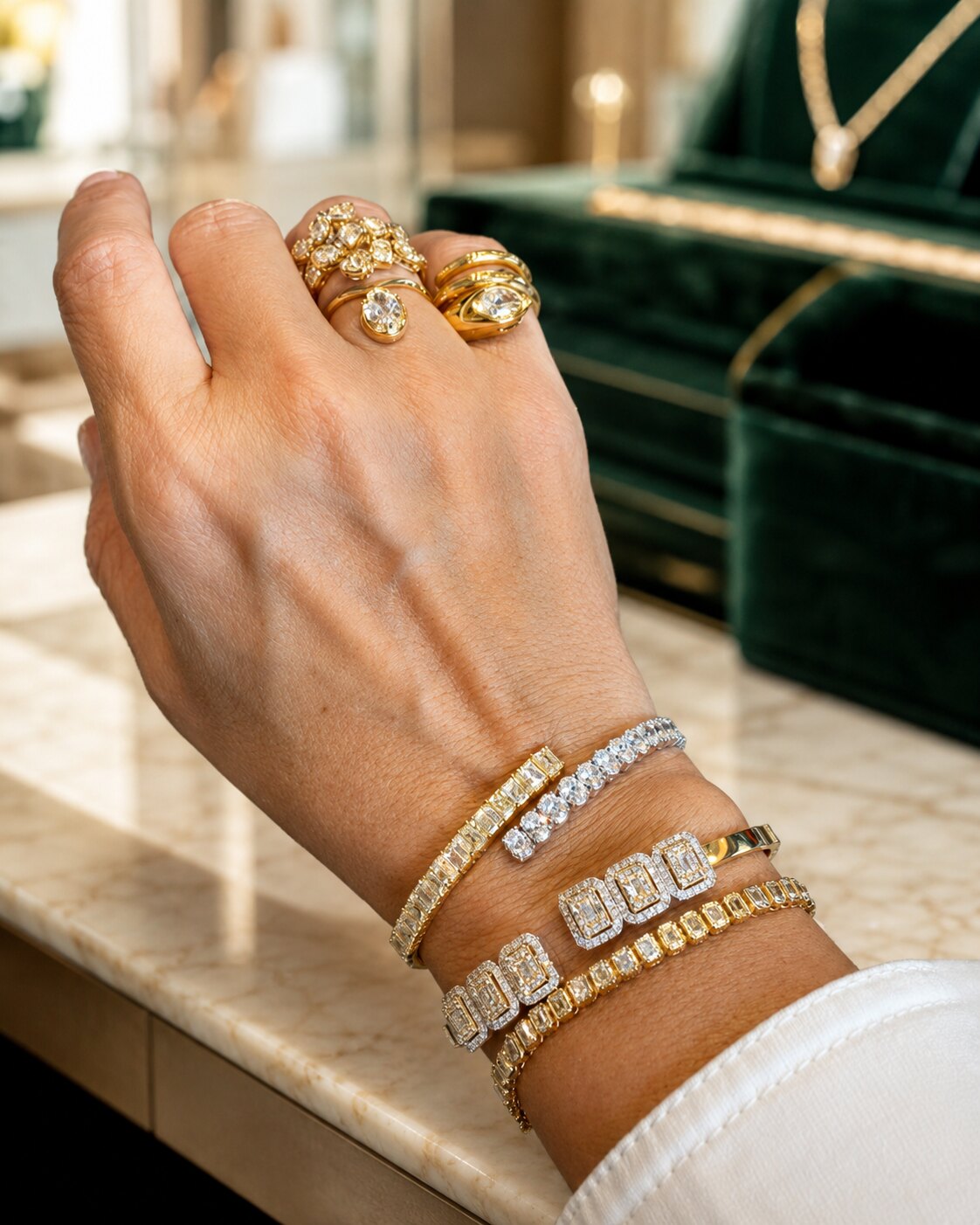
The most beautiful jewellery wardrobes are built, not bought all at once. A pair of diamond studs, a fine tennis necklace, a bracelet that catches the light — each piece earns its place, and each works alone or layered with the others.

Our team loves helping clients build a collection over time, choosing pieces that complement what you already own. Whether you are treating yourself or searching for an unforgettable gift, we will help you choose something that will be worn for years.

Find the Perfect Gift
The IDC Promise

Why Choose Jewellery at IDC Cayman

GIA-Certified

Independently graded by the Gemological Institute of America — certainty with every stone.

Entirely Tax-Free

No duty, no sales tax. Exceptional value on every purchase in the Cayman Islands.

Bespoke Service

Prefer something unique? Our atelier designs and crafts one-of-a-kind pieces by hand.

Lifetime Care

Cleaning, inspection and resizing — we care for your jewellery for life.

Questions

Good to Know

What is fine jewellery?
Fine jewellery refers to jewellery made from precious metals — platinum, 18-carat gold, or sterling silver at minimum — set with genuine gemstones such as diamonds, sapphires, emeralds, rubies, or other precious and semi-precious stones. Fine jewellery is distinguished by its use of authentic, valuable materials, skilled craftsmanship, and lasting quality. It is designed to be worn, treasured, and passed down rather than discarded after a season. At IDC Cayman, all jewellery is made in platinum or 18-carat gold with GIA-certified diamonds or genuine gemstones.
What is the difference between fine jewellery and fashion jewellery?
Fine jewellery uses genuine precious metals (platinum, 18-carat or higher gold, or sterling silver) and genuine gemstones (diamonds, sapphires, emeralds, rubies, and other natural stones). Fashion or costume jewellery uses base metals (brass, copper, zinc alloy) often plated in gold or silver, and simulated or synthetic stones. Fine jewellery is durable, hypoallergenic, and retains its value; fashion jewellery is designed for trend-led wear and has little lasting value. Bridge jewellery sits between the two, typically using sterling silver with semi-precious stones.
What does 18-carat gold mean?
18-carat (18ct) gold means the metal is 75% pure gold — 18 parts gold out of 24. The remaining 25% consists of alloying metals (copper, silver, palladium, or nickel) added to increase durability and, in the case of white and rose gold, alter the colour. 18-carat gold is the global standard for fine jewellery: it is pure enough to have rich, warm gold colour and intrinsic value, while hard enough to withstand everyday wear. It is also hypoallergenic in its standard alloys.
What is the difference between 18ct gold and 9ct gold?
18-carat gold is 75% pure gold; 9-carat gold is only 37.5% pure gold. 9-carat gold is harder than 18-carat gold (the alloy metals provide hardness), but it contains significantly less gold, has a paler, slightly cooler yellow colour, and has lower intrinsic value. 9-carat gold is not used by fine jewellers for significant pieces — it is a trade-down for cost-sensitive mass market jewellery. All IDC Cayman jewellery is made in platinum or 18-carat gold.
What does 750 hallmark mean on gold jewellery?
750 is the hallmark for 18-carat gold — indicating 750 parts per thousand (75%) pure gold. It is the European standard mark for 18-carat gold and is used across the world's fine jewellery industry. Other hallmarks include 585 (14-carat gold, 58.5% pure), 375 (9-carat gold, 37.5% pure), and 950 (platinum, 95% pure). Hallmarks are applied by assay offices to certify the metal's purity and serve as a guarantee of quality.
What is a diamond tennis necklace?
A diamond tennis necklace is a necklace featuring a continuous line of individually set diamonds in identical or graduated sizes, running the full circumference of the neckline. Each diamond is typically held in a four-prong or bezel setting, creating an elegant, flexible line of brilliance that lies flat against the skin. The name comes from tennis player Chris Evert, whose diamond line bracelet snapped during the 1987 US Open — she asked for the match to be paused while it was found, and the style was thereafter called a tennis bracelet (and later necklace).
What is a diamond tennis bracelet?
A diamond tennis bracelet is a flexible bracelet featuring a continuous line of identical round brilliant diamonds set individually — typically in four-prong settings — along the full length of the bracelet. It is one of the most classic and enduring fine jewellery designs. Tennis bracelets are universally flattering, suit any occasion from everyday to black-tie, and pair beautifully with watches and other bracelets. They are available in a range of total carat weights — typically from 1 carat total to 10 carats and above — and in platinum or gold.
What is a diamond pendant?
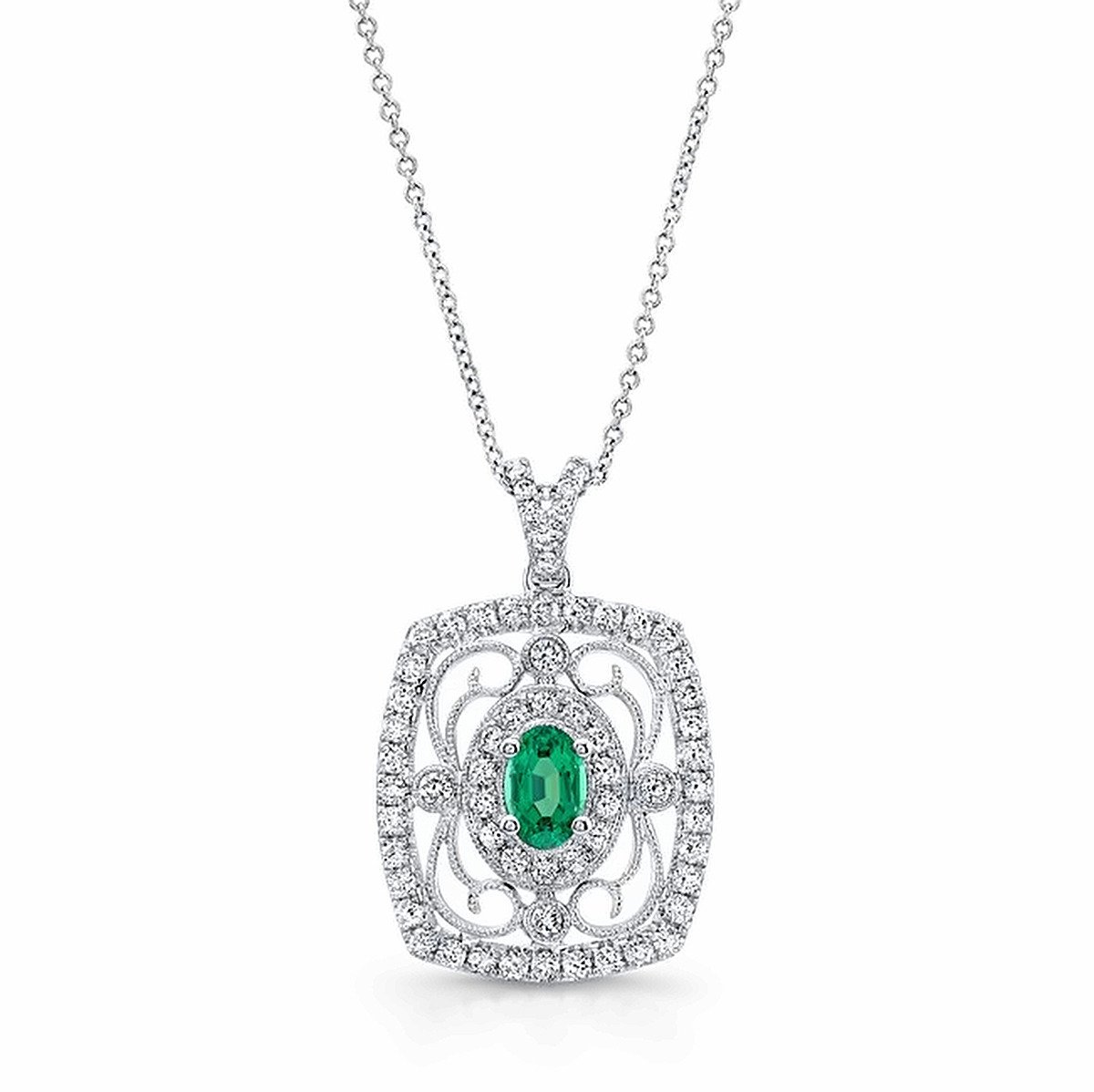
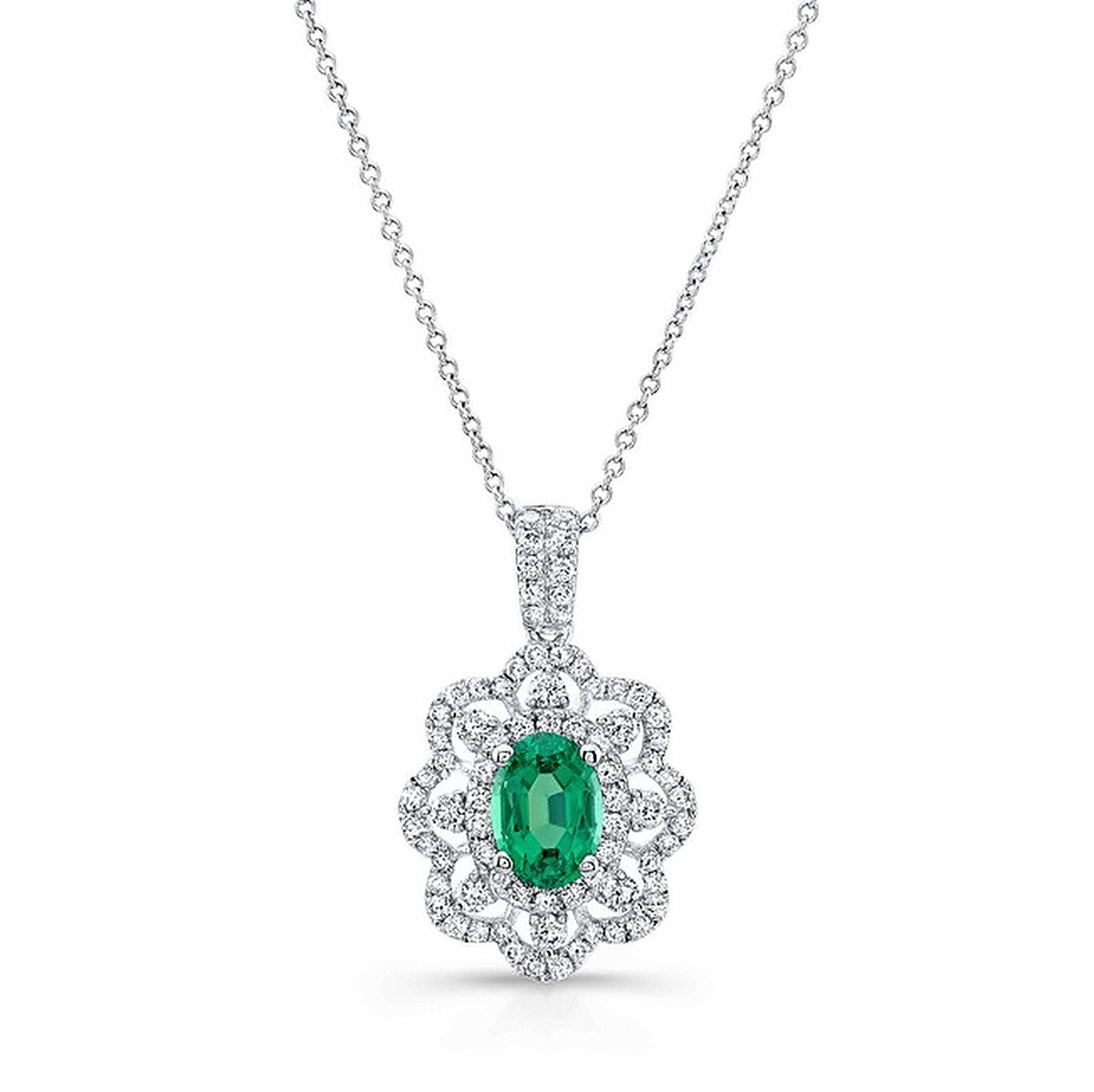
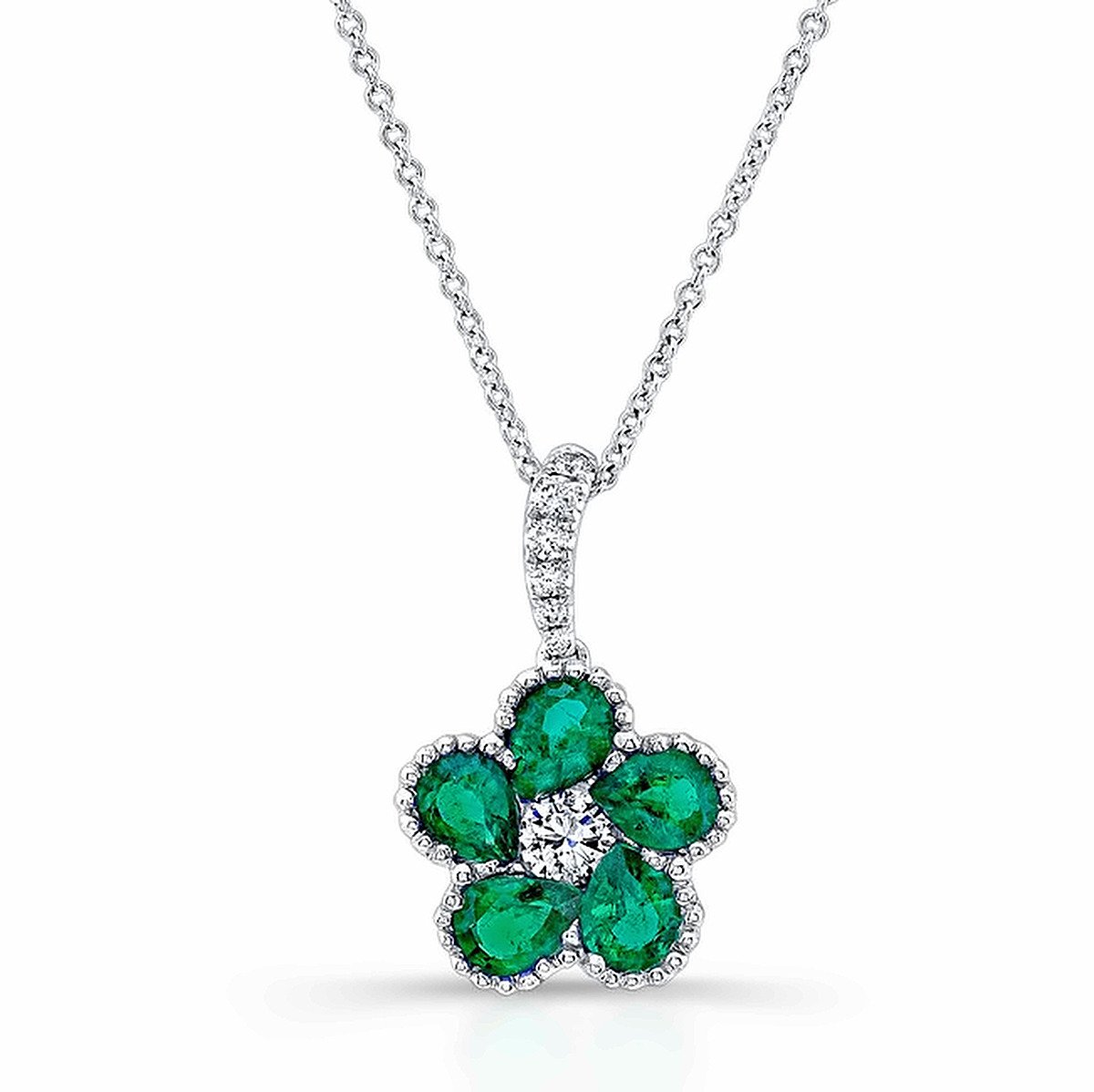
A diamond pendant is a single piece of jewellery — typically a diamond or diamond-set motif — suspended from a chain. The pendant is separate from the chain; they are purchased together or independently. Common diamond pendant styles include solitaire pendants (one diamond in a bezel or prong setting), halo pendants (a centre diamond surrounded by smaller diamonds), and drop pendants (a diamond suspended on a fine wire or bail below a chain). Diamond pendants are the most versatile piece of fine jewellery — they suit virtually every neckline, occasion, and personal style.
What are diamond stud earrings?
Diamond stud earrings feature a single diamond — or a small cluster of diamonds — set directly on the ear lobe with a post-and-butterfly or post-and-screw back fitting. They are the most universally worn piece of fine jewellery and the most popular diamond purchase after engagement rings. Round brilliant solitaire studs in a four-claw setting are the classic choice; bezet-set studs offer a more contemporary, secure option; halo studs feature a centre diamond surrounded by smaller diamonds, adding size and brilliance. Total carat weights range from 0.20ct (modest everyday stud) to 3ct and above.
What are diamond drop earrings?
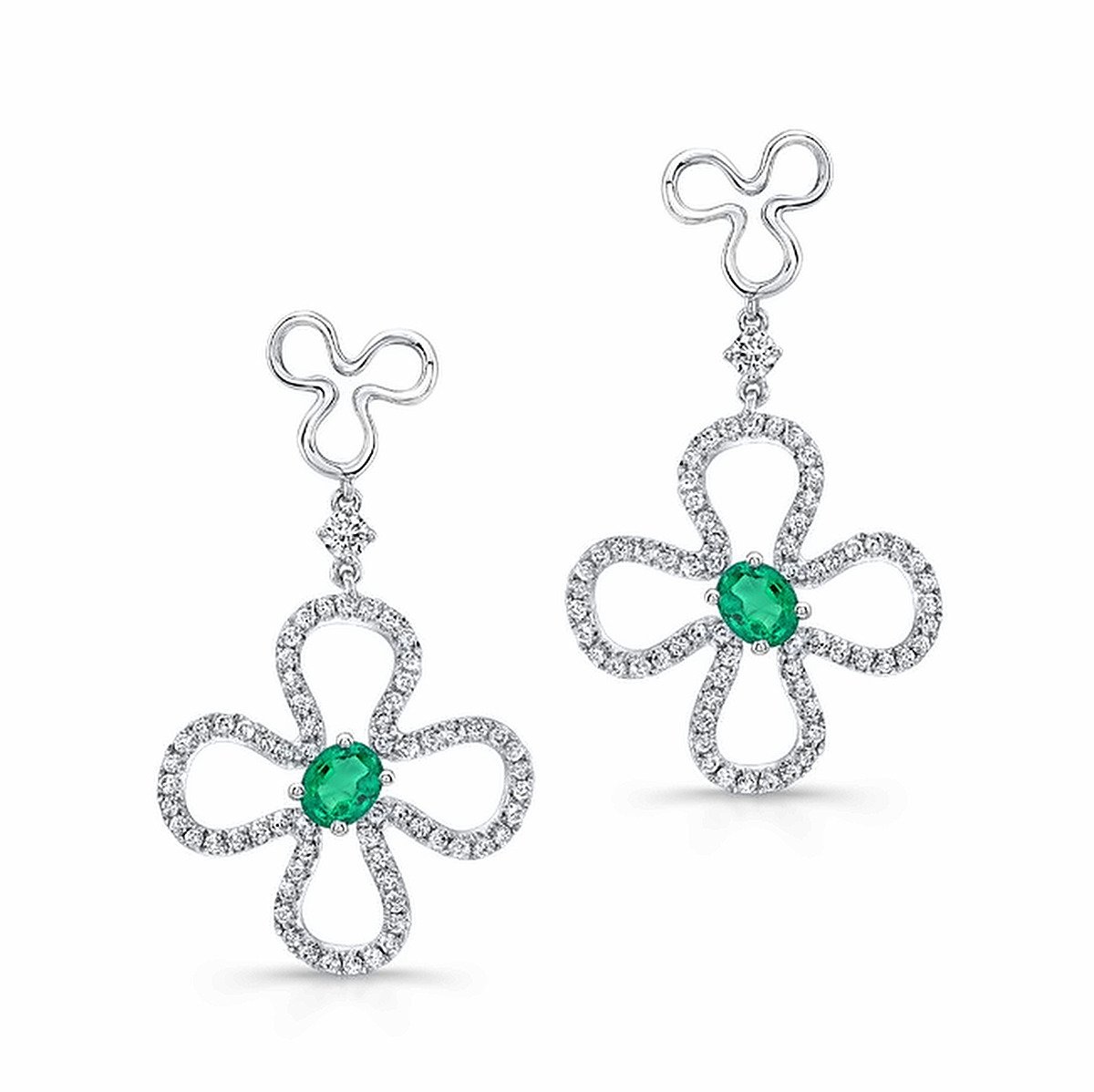
Diamond drop earrings feature diamonds or diamond-set designs that hang below the ear lobe, moving gently with the wearer. They range from a simple single drop (one diamond suspended on a fine wire) to multi-tier drops, cluster drops, and chandelier designs. Drop earrings add movement and elegance and are particularly well-suited to special occasions and evening wear, though more modern, minimal drop designs are worn every day. They suit all face shapes — longer drops elongate round faces; shorter drops balance longer faces.
What is the difference between a pendant and a necklace?
A pendant is a decorative piece that hangs from a chain or cord — it is the element itself (the motif, the stone, the locket). A necklace is the complete combination of a chain and a pendant, or a chain-based jewellery piece such as a tennis necklace or strand. Strictly speaking, you wear a 'necklace' but the piece that hangs is a 'pendant'. In practice, the terms are used interchangeably in everyday speech. When buying, check whether the chain is included with the pendant — sometimes they are sold separately.
What chain length should I choose for a pendant?
The most versatile chain length for a pendant depends on the wearer's neck and the pendant style. A 16-inch chain sits at the collarbone — elegant and classic for most necklines. An 18-inch chain sits just below the collarbone — the most popular and universally flattering length. A 20-inch chain falls at the top of the décolletage — particularly flattering for lower necklines and V-necks. A 24-inch chain falls at the mid-chest — suited to layering or longer pendants. As a general guide, measure the desired drop from the collarbone to the length on the front of the body.
What is the difference between a bracelet and a bangle?
A bracelet is any piece of jewellery worn around the wrist and secured with a clasp, hinge, or adjustable closure. A bangle is a rigid, circular piece with no clasp — it is slipped over the hand onto the wrist. Bangles are typically solid metal or lightly set with stones. Bracelets include chain bracelets (such as tennis bracelets), link bracelets, charm bracelets, and cord bracelets. Both bangles and bracelets are popular for stacking — wearing multiple pieces together on the same wrist.
How do I layer necklaces?
For a harmonious necklace stack, vary the chain lengths by two to four inches between each piece to create visible tiers without tangling: for example, 16, 18, and 20 inches. Mix chain styles — a fine cable chain, a box chain, and a rope chain — or textures to add visual interest. Vary the pendant sizes: a larger focal piece at the longest length, smaller pieces above. Keep the metal consistent (all gold or all silver/platinum) for elegance, or intentionally mix metals for a modern look. Avoid layering pieces with similar lengths or large, wide pendants that compete for attention.
What jewellery suits different necklines?
Different necklines suit different jewellery: a V-neck pairs naturally with a V-shaped pendant or drop that follows the neckline's line. A crew neck or high neck suits a longer pendant that hangs below the collar, or a choker that sits above it. A scoop neck suits a curved pendant, a round locket, or a statement necklace. A strapless neckline is perfect for a statement necklace that frames the décolletage. Off-the-shoulder necklines suit a mid-length pendant or no necklace at all — earrings become the focus. When in doubt, a simple diamond pendant at 18 inches suits virtually every neckline.
How do I choose diamond earrings for everyday wear?
For everyday diamond earrings, the key considerations are comfort, security, and size. Round brilliant solitaire studs in a four-prong or bezel setting are the first choice — secure, comfortable, and never out of place in any context from a morning meeting to a dinner. A total carat weight of 0.30ct to 0.50ct per pair is visible and elegant without being ostentatious for everyday wear. Screw-back fittings are more secure than butterfly backs for preventing loss. Choose platinum for settings that will last decades without the need for maintenance.
What is a diamond tennis necklace vs a diamond rivière necklace?
Both feature a continuous line of diamonds. A tennis necklace has each diamond set individually in matching settings with small link connections between — it is flexible and fluid. A rivière necklace (from the French for 'river') is similar but typically uses graduated diamonds that increase in size toward the centre, and the setting style may be more architectural. A classic rivière is one of the most elegant fine jewellery pieces, typically reserved for significant carat weights and special occasions. Both terms are sometimes used interchangeably, though a rivière traditionally implies a more formal, graduated design.
What does 'fine jewellery' cost — what is a realistic budget?
Fine jewellery varies enormously in price depending on the metal, gemstones, and complexity of design. Diamond stud earrings can range from a few hundred to tens of thousands of dollars depending on total carat weight and quality. A simple diamond pendant typically starts around $500–1,000 for a small solitaire and rises significantly with carat weight. A diamond tennis bracelet begins around $2,000–3,000 for a simple one-carat bracelet and rises with total diamond weight and quality. Platinum settings carry a premium over 18-carat gold. At IDC Cayman, all prices reflect the Cayman Islands' zero-tax pricing — no duty, no VAT, no sales tax.
Is fine jewellery a good investment?
Certain fine jewellery — particularly pieces set with high-quality GIA-certified diamonds or signed works from known houses — can hold or increase in value over time. However, jewellery should primarily be bought for the joy it brings to the wearer rather than as a financial investment. Retail jewellery typically carries a significant markup over secondary market values. Factors that support value retention include: high-quality, independently certified diamonds; prestigious maker or provenance; platinum rather than gold construction; and classic, enduring styles that do not date. At IDC Cayman, every significant diamond is GIA-certified, which supports transparency and value.
How do I store fine jewellery to keep it in good condition?
Store fine jewellery pieces separately to prevent harder stones scratching softer ones — individual pouches or a jewellery box with separate compartments is ideal. Keep jewellery away from direct sunlight and humidity, which can affect certain gemstones and metals. Store chains individually to prevent tangling. Remove jewellery before swimming (chlorine attacks gold alloys), applying perfume or skincare (chemicals can dull stones), and before heavy physical work. Have pieces cleaned and settings checked annually by a jeweller. For diamonds and platinum, occasional professional cleaning will restore full brilliance.
What fine jewellery does IDC Cayman offer?
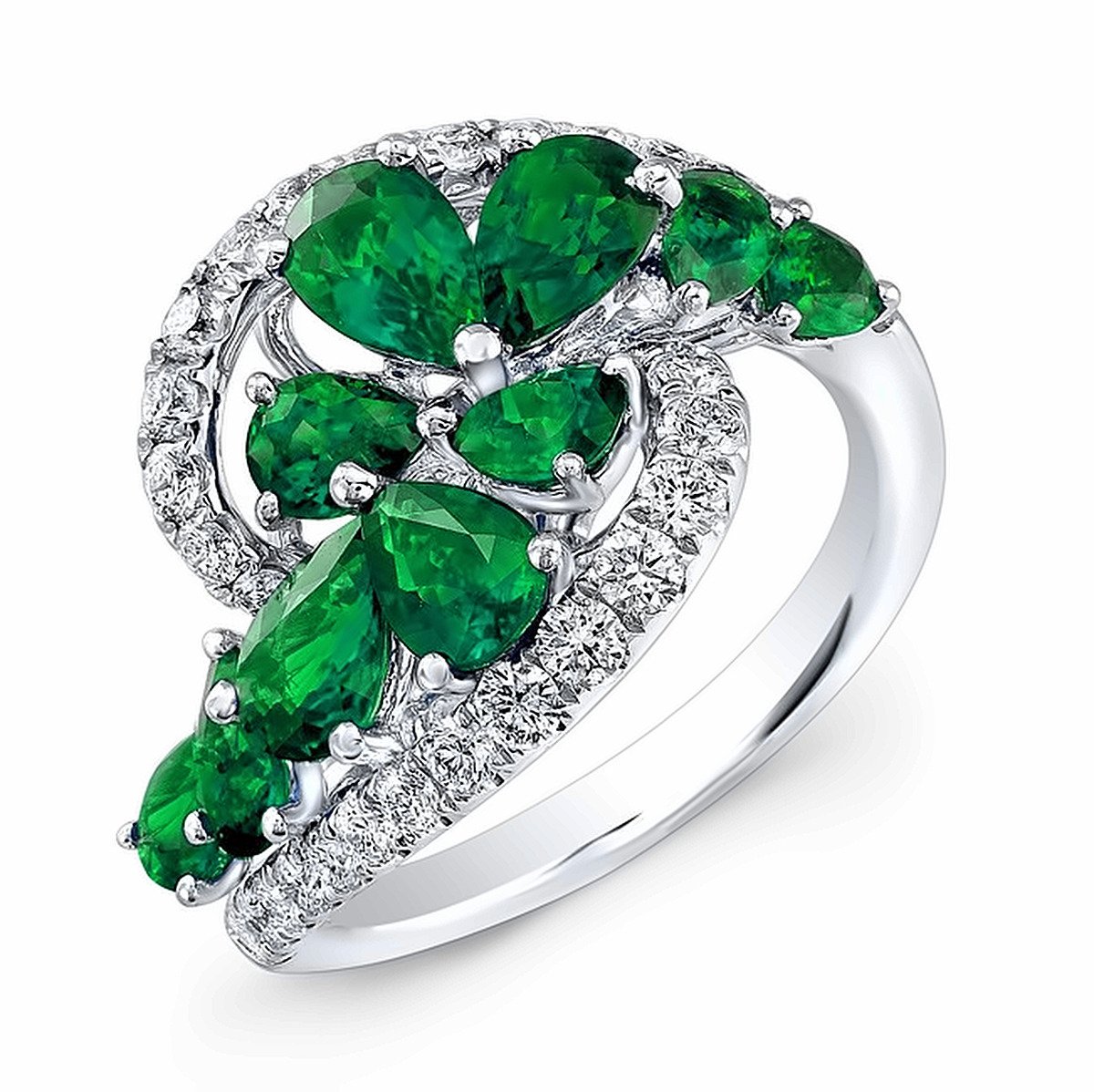
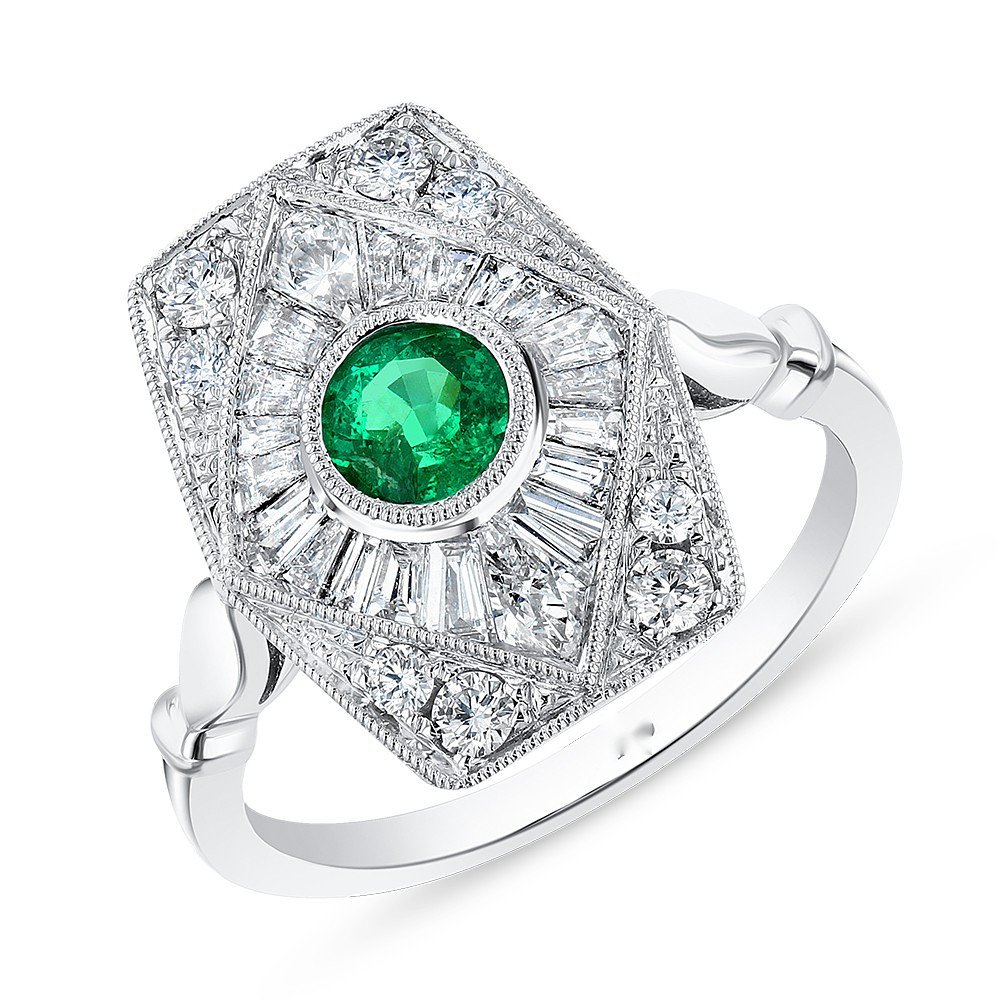
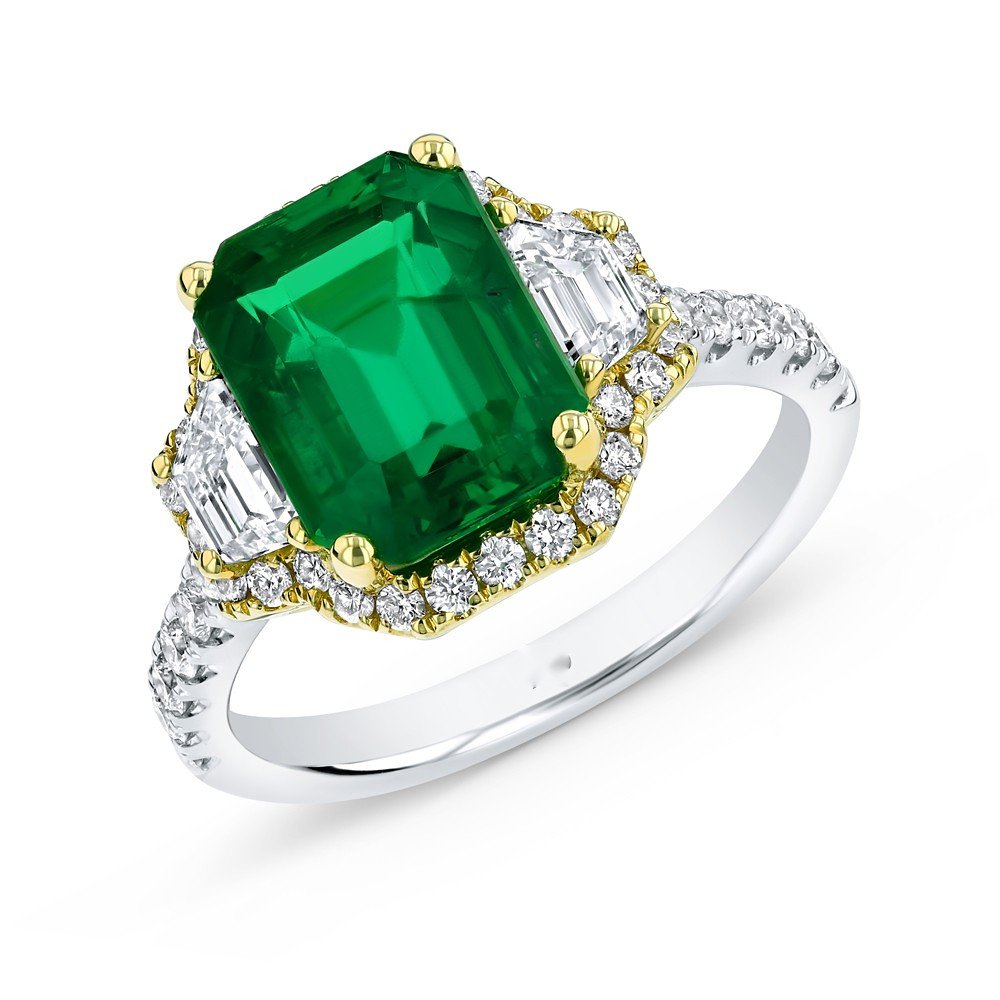
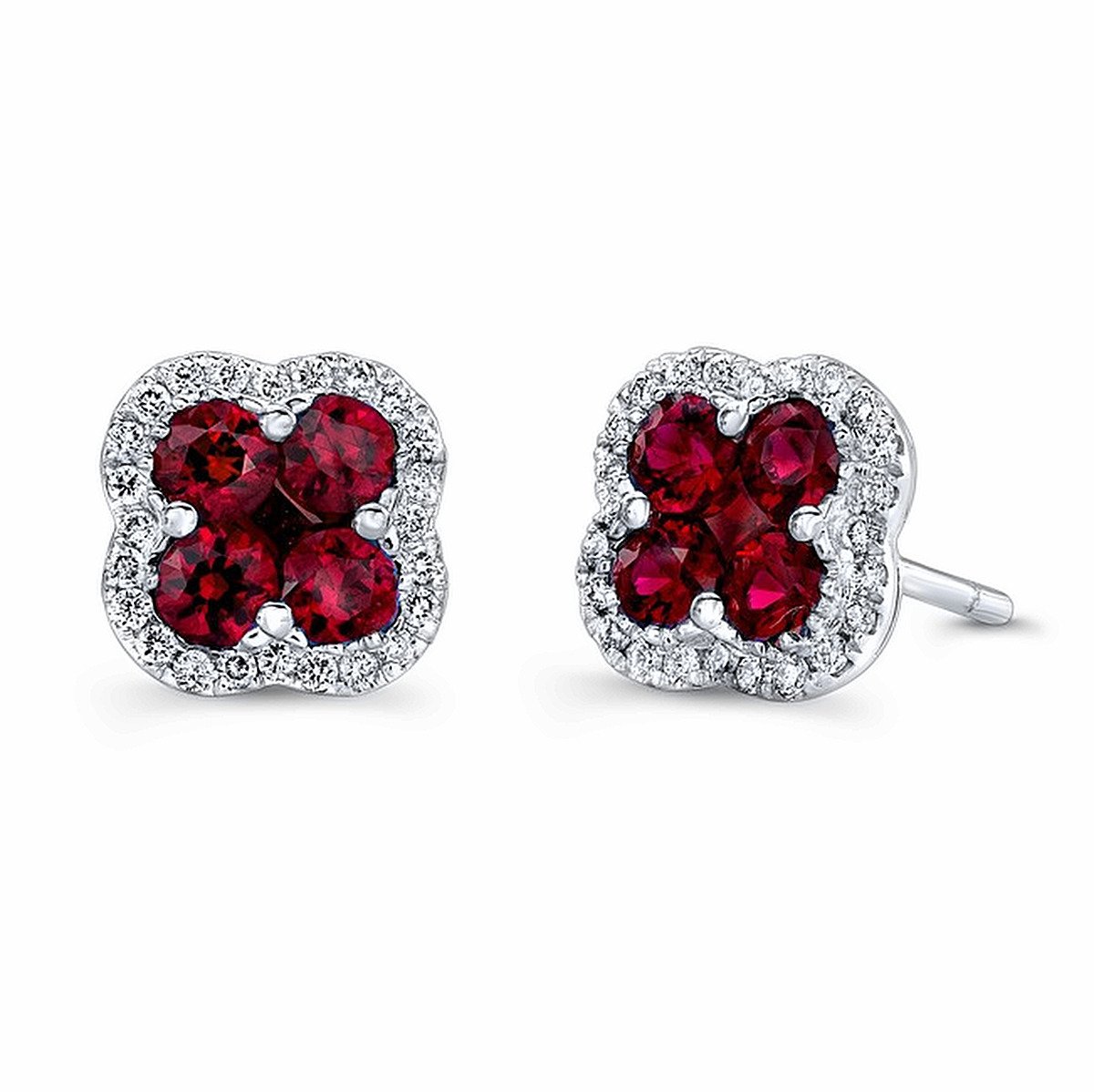
IDC Cayman's fine jewellery collection includes GIA-certified diamond stud earrings, diamond drop earrings, diamond pendants and necklaces, diamond bracelets and tennis bracelets, and gemstone jewellery featuring sapphires, emeralds, rubies, aquamarines, and other fine stones. All pieces are made in platinum or 18-carat gold. The collection is shown live from the George Town boutique, with every piece available to examine in person or enquire about via the website.
Are IDC Cayman's diamonds used in fine jewellery GIA-certified?
Yes. Every diamond used in IDC Cayman's fine jewellery collection is GIA-certified — certified by the Gemological Institute of America, the world's foremost independent diamond grading authority. This applies to significant stones used in pendants, earrings, bracelets, and necklaces, as well as engagement rings and wedding bands. GIA certification confirms the cut, colour, clarity, and carat weight of each diamond to an independently verified standard.
Does IDC Cayman make bespoke fine jewellery pieces?
Yes. IDC Cayman's bespoke atelier in George Town designs and hand-fabricates custom fine jewellery pieces including pendants, earrings, bracelets, and complete jewellery suites. Clients who want a piece that does not exist in the current collection — a specific diamond drop earring design, a matching necklace for an existing ring, or an entirely original concept — can work with the team on a bespoke commission. Bespoke fine jewellery typically takes four to eight weeks from approved design.
Is it cheaper to buy fine jewellery in Grand Cayman?
Yes. The Cayman Islands levies zero import duty and zero sales tax on fine jewellery and diamonds. Buyers from the UK save the equivalent of 20% VAT; Australian buyers save 10% GST; European buyers save 19–27% VAT; American buyers save their applicable state sales tax. On a significant fine jewellery purchase, this represents a very real saving. IDC Cayman's George Town boutique is easily accessible for cruise ship passengers and resort guests across Grand Cayman.
What metals does IDC Cayman use for its fine jewellery?
All IDC Cayman fine jewellery is made in platinum or 18-carat gold — yellow, white, or rose. The choice of metal is both an aesthetic and practical decision. Platinum is the most durable and is recommended for pieces designed for daily wear. 18-carat yellow gold offers warmth and classic elegance. 18-carat white gold provides a bright white appearance at a lower cost than platinum, with periodic re-plating required. 18-carat rose gold is romantic and contemporary. The team at IDC Cayman will recommend the metal that best suits the piece and the wearer's lifestyle.
Treasure the Everyday

Discover Fine Jewellery

Visit our George Town showroom to explore the collection, or let our team help you choose an unforgettable gift.

Book an Appointment   Visit the Showroom
Stay in Touch

Be First to See New Arrivals

Join the IDC Cayman list for private viewings, new collections and jewellery inspiration from Grand Cayman.