
Birthstones turn a piece of jewellery into something deeply personal, a wearable link to the month you were born and the meanings carried by your stone. The tradition reaches back centuries, and the modern list most jewellers use today was largely standardised in the twentieth century, with several months offering more than one option. Below is a clear, month-by-month guide to each birthstone, its colour, its hardness and its meaning, followed by practical advice on durability and ideas for personalised jewellery.
In short: the modern birthstones are garnet for January, amethyst for February, aquamarine for March, diamond for April, emerald for May, pearl or alexandrite for June, ruby for July, peridot for August, sapphire for September, opal or tourmaline for October, topaz or citrine for November, and tanzanite, turquoise or zircon for December. Choose by colour, meaning or durability, whichever suits the wearer best.
A birthstone is the simplest way to make fine jewellery feel like it was made for one person and no one else.
The Twelve Birthstones at a Glance
This reference table sets out every month's stone with its typical colour, its hardness on the Mohs scale and a link to its dedicated buying guide. Higher Mohs numbers mean a harder, more scratch-resistant stone, which matters most for rings worn daily.
| Month | Birthstone | Colour | Mohs hardness |
|---|---|---|---|
| January | Garnet | Deep red | 6.5 to 7.5 |
| February | Amethyst | Purple | 7 |
| March | Aquamarine | Pale blue | 7.5 to 8 |
| April | Diamond | Colourless | 10 |
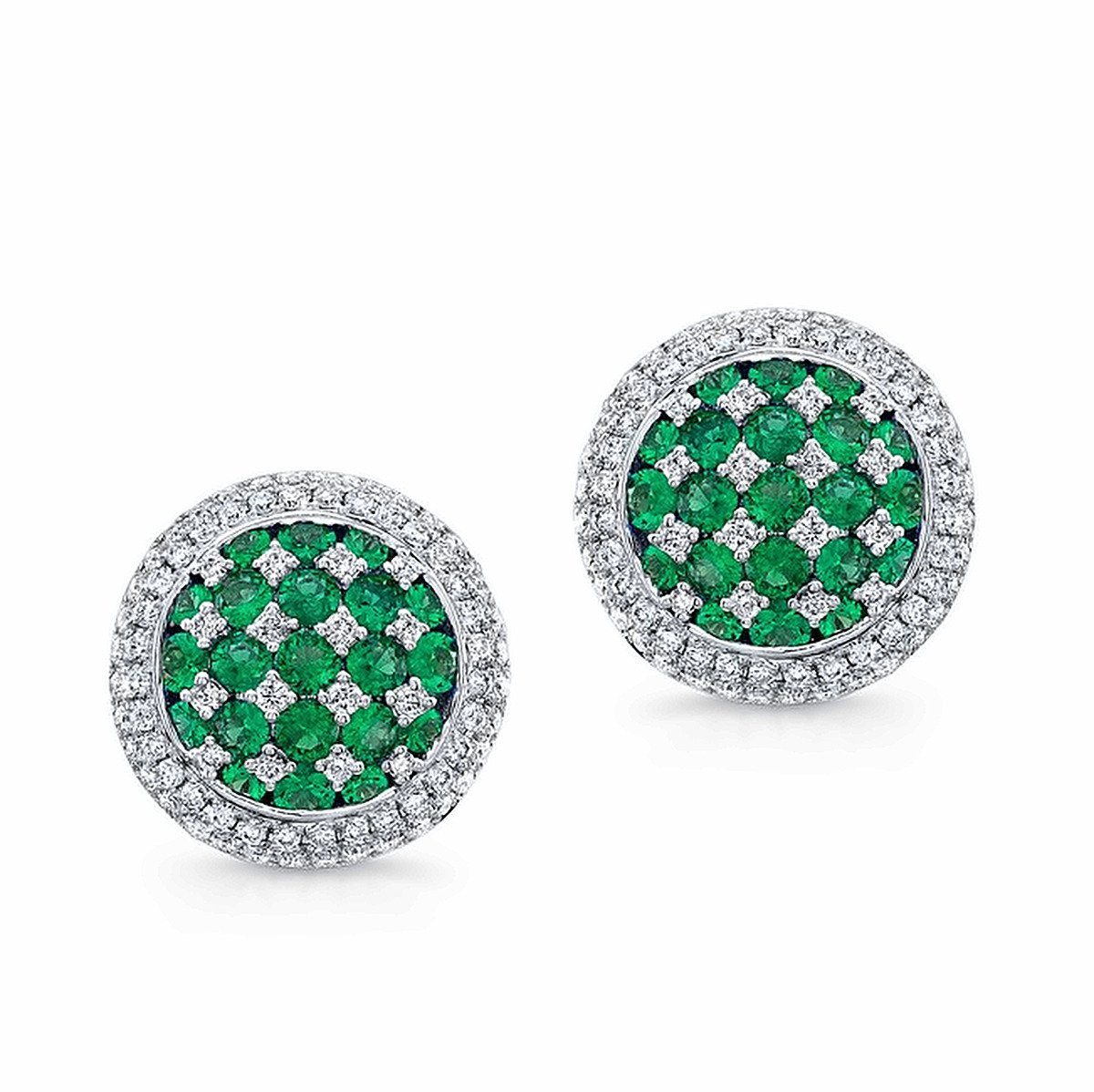
| May | Emerald | Green | 7.5 to 8 |
| June | Pearl, alexandrite | White, colour-change | 2.5 to 4.5, 8.5 |
| July | Ruby | Red | 9 |
| August | Peridot | Lime green | 6.5 to 7 |
| September | Sapphire | Blue | 9 |
| October | Opal, tourmaline | Iridescent, many | 5.5 to 6.5, 7 to 7.5 |
| November | Topaz, citrine | Golden to amber | 8, 7 |
| December | Tanzanite, turquoise, zircon | Blue to violet | 6 to 7 |
Month by Month
Each stone carries its own character, colour and tradition. Here is a little more on each, grouped by season.
Winter: January to March
January's garnet is a deep, glowing red symbolising trust, loyalty and enduring friendship, and it is robust enough for everyday rings. February's amethyst is a regal purple quartz linked with calm, clarity and protection. March's aquamarine is a serene pale blue beryl associated with tranquillity, courage and the sea, a natural fit for an island setting.
Spring: April to June
April claims the diamond, the colourless classic representing strength, clarity and everlasting love, and the hardest stone of all. May's emerald is a lush green beryl symbolising renewal and new beginnings, beautiful but best treated with care. June offers a choice: pearl, which stands for purity, or the rare colour-changing alexandrite, which signifies balance and good fortune.
Summer: July to September
July's ruby is a vivid red corundum representing love, passion and vitality, and one of the most durable gems you can wear. August's peridot is a bright lime-green stone linked with strength, warmth and well-being. September's sapphire is most famous in royal blue, symbolising wisdom, loyalty and trust, and is as hard-wearing as the ruby it is related to.
Autumn: October to December
October pairs opal, which shimmers with shifting colour and stands for creativity and hope, with vibrant tourmaline. November brings the warm golden topaz and sunny citrine, both associated with confidence and abundance. December offers cool blues to violet-blues in tanzanite, turquoise and zircon, symbolising calm, wisdom and good fortune.
Where the Birthstone List Comes From
The idea of a stone for each month is ancient, often traced to the twelve stones of the breastplate described in the Book of Exodus, which were later linked to the twelve months and the signs of the zodiac. For centuries people would own all twelve and wear the relevant one each month, and only later did the custom settle into wearing the stone of one's own birth month.
Traditional and modern stones
The list most jewellers use today was largely standardised by the jewellery trade in the early twentieth century, which is why a few months differ from older traditions. Some calendars still list bloodstone alongside aquamarine for March, or moonstone alongside pearl and alexandrite for June, so do not be surprised to see small variations. When more than one stone is listed, all are correct, and you are free to choose by colour, meaning or durability.
Choosing between alternatives
Where a month offers a choice, let practicality guide you. If the piece is a ring for daily wear, lean toward the harder option, such as alexandrite over pearl in June or tourmaline over opal in October. If it is a pendant or a pair of earrings, the softer, more delicate stone is perfectly at home and will keep its beauty for years.
Choosing a Birthstone You Can Wear Every Day
Birthstones vary widely in durability, which matters most for rings worn daily. The Mohs hardness in the table above is the quickest guide to how a stone will cope with everyday life.
The most hard-wearing choices
The toughest choices are diamond, sapphire and ruby, all hard and resistant to everyday wear, with topaz and garnet also robust. These suit a ring worn around the clock and stand up well to active island living.
Softer stones and how to care for them
Softer or more delicate stones, including pearl, opal, emerald, tanzanite and turquoise, are wonderful but need gentler treatment; they are often happier in earrings, pendants or occasional rings than in a ring worn constantly. If your birthstone is one of the softer gems and you want a ring for daily wear, a protective setting and mindful care will keep it looking its best, as our guide to cleaning and caring for fine jewellery explains. The choice of metal helps too; our precious metals guide covers which suit everyday wear.
Personalised and Gift Jewellery
Birthstones make some of the most thoughtful jewellery of all, because they are personal by nature.
Pieces that suit a birthstone
A simple pendant or pair of diamond studs set with your stone is a timeless gift, while a birthstone eternity band or bracelet marks a special occasion beautifully. Browse our fine jewellery and coloured gemstone collections for ideas, and see our anniversary gift guide for milestones to mark with a stone.
Combining more than one stone
Stacking rings let you combine the birthstones of children or loved ones in one piece, and a family or mother's ring set with each child's stone is endlessly meaningful. Because so many of these pieces are personal, they are ideal to design around the wearer, mixing a birthstone with diamonds, setting a durable coloured stone as an engagement ring centre, or choosing the metal that suits their skin and style. For a deeper look at coloured stones on the island, our gemstone jewellery guide for Cayman is a fine starting point.
Find Your Birthstone in George Town
Whatever month you are celebrating, a birthstone is a gift that carries meaning for a lifetime. At our boutique in George Town, Grand Cayman, our GIA-certified team can help you choose well-matched, beautiful stones and build them into a piece made just for you. Visit us with no appointment needed, enjoy a purchase that is tax-free with no sales tax and no VAT so more of your budget reaches the stone, and rely on free insured worldwide shipping to deliver your gift wherever it needs to go. When you are ready, find us on the waterfront.