
Citrine is sunshine made solid. Its warm range of yellows and oranges, from pale lemon to deep golden honey and rich amber, gives it an immediate, mood-lifting glow, and because it is available in large, clean sizes it has become one of the great stones for bold, expressive jewellery. It is also a gem with an open secret worth understanding, because the colour of most citrine on the market today has a particular and entirely respectable origin. This guide explains what citrine is, which colours to chase, the truth about treatment, and how to wear it well.
In short: citrine is the golden to orange variety of quartz, a 7 on the Mohs scale and durable enough for everyday wear, available in clean stones large enough for any statement piece. The most prized colour is a rich, slightly reddish madeira orange, and most commercial citrine is gently heat-treated amethyst, a stable and accepted process. As a November birthstone it makes a warm gift, and bought in George Town it is tax-free. Begin with our coloured gemstones.
Golden Quartz: What Citrine Is
The mineral
Citrine is the yellow to orange variety of quartz, the same abundant mineral family that gives us amethyst, rock crystal and smoky quartz. Its colour comes from traces of iron within the crystal, and it forms in large, transparent crystals far more readily than most coloured gems, which is precisely why a clean, large citrine is attainable where the same size in sapphire or emerald would be extraordinary. That abundance also keeps fine citrine remarkably good value, so a bold, eye-clean cocktail stone need not carry the rarity premium attached to the corundum and beryl gems.
A gem long admired
The name comes from the French for lemon, and the gem has been admired since antiquity, often historically confused with topaz, which shares its golden tones and its place as a November birthstone. That long association is why warm yellow stones are still sometimes loosely called topaz in older jewellery, when many are in fact citrine, and why a little knowledge protects you when buying antique or inherited pieces. Our coloured gemstone jewellery guide helps you tell the warm-toned gems apart.
Colour: From Lemon Gold to Madeira Orange
The prized tones
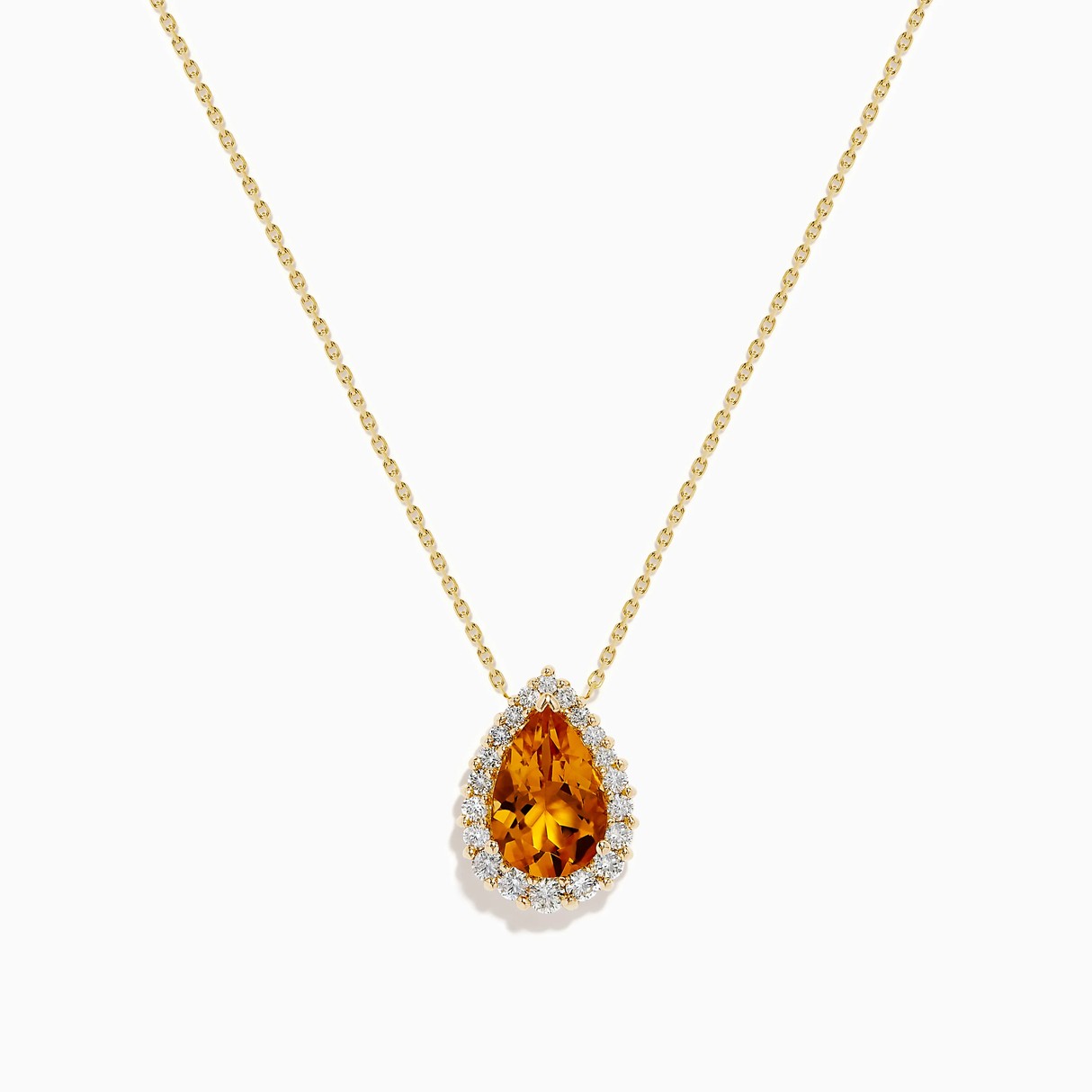
Colour is what sets one citrine above another. The most prized stones show a saturated, slightly reddish golden orange, the classic tone often called madeira after the fortified wine, while a bright, clean golden yellow is also highly desirable. Very pale, washed-out yellows are the least valuable, and overly brownish stones lack life, so look for richness and warmth without muddiness. Because citrine is so often cut large, watch too for even colour across the whole face, since a broad stone with a pale, empty centre will never glow the way a well-saturated one does.
The colour range
- Lemon and pale gold, fresh and bright, attractive but the most common and least costly.
- Golden or honey citrine, a deeper, richer yellow that is the heart of the market.
- Madeira citrine, a saturated reddish orange to amber, the most coveted classic colour.
- Ametrine, a natural partnership of citrine and amethyst in a single quartz crystal, showing zones of gold and purple, mined chiefly in Bolivia.
Citrine at a Glance
The essentials in one view:
| Property | Citrine detail |
|---|---|
| Mineral | Quartz, the yellow to orange variety |
| Mohs hardness | 7, good toughness, no cleavage |
| Colour range | Pale lemon and gold through honey to madeira orange and amber |
| Main sources | Brazil, Bolivia (ametrine), Madagascar |
| Birthstone | November, with topaz; thirteenth anniversary gem |
| Common treatment | Most citrine is heat-treated amethyst or smoky quartz; stable |
| Care | Warm soapy water and a soft brush; avoid prolonged strong heat |
Be Transparent: The Amethyst Connection
Here is the honest truth every good jeweller should tell you: most citrine sold today is heat-treated amethyst or smoky quartz. Amethyst is far more common in nature, and gentle, permanent heating turns its purple into stable golden and orange tones, which is how the supply of affordable, evenly coloured citrine is met. This treatment is standard, accepted throughout the trade and completely stable, so it does not fade in normal wear or need special care; the only thing that matters is transparency about it, and a reputable seller will say so plainly. Genuinely natural, untreated citrine does exist and tends to show a paler, smokier yellow, often from Brazil or Madagascar, and it commands a premium among collectors who value its unheated origin. Whichever you choose, we tell you exactly what a stone is, the same standard we hold across our fine jewellery.
What Drives the Value
When comparing two citrines, weigh them in this order:
| Factor | What to look for | Why it matters |
|---|---|---|
| Colour | Rich golden yellow to saturated madeira orange | The leading factor; pale or brownish stones are worth less |
| Clarity | Eye-clean and transparent | Clean material is plentiful, so insist on it |
| Cut | Even colour and a bright, lively face | Shows the warm colour to its best |
| Carat | Large clean sizes readily available | Generous statement stones are attainable |
Citrine asks only one thing of a buyer: chase warmth and saturation. A glowing madeira orange or a deep honey gold will always outshine a pale, watery yellow.
Durability, Birthstone and Bold Design
Everyday durability
Citrine is a quartz, so it sits at a solid 7 on the Mohs scale, durable enough for everyday rings, pendants and earrings with only sensible care. Clean it with warm soapy water and a soft brush, and keep it from prolonged strong heat and harsh sunlight, which can pale some stones, and from sharp knocks. Our jewellery care guide sets out the simple routine that keeps it glowing.
The November birthstone
Citrine is a birthstone for November, sharing the month with topaz, and the traditional gift for the thirteenth wedding anniversary. See where it falls in our birthstones by month guide, and find pairings in our anniversary jewellery gift guide.
Bold by design
Citrine's combination of warm colour, clarity and available size makes it the ideal cocktail stone: large emerald cuts, sculptural cushions and statement rings let it glow. It looks especially handsome in yellow gold, which amplifies its warmth, though white metals give a crisper, more contemporary contrast; our precious metals guide explains how each metal changes its character.
Buying Citrine in Grand Cayman
At IDC Cayman we choose citrine for warm, saturated colour and clean transparency, are always candid about treatment, and sell every stone completely tax-free, with no sales tax and no VAT. Browse our coloured gemstones and fine jewellery, and visit us in George Town, Grand Cayman, where no appointment is needed and free insured shipping reaches you worldwide. When you are ready, come and find us on the waterfront.