
Engagement Rings Grand Cayman: Why Locals Never Have to Take Them Off
Imagine slipping on your engagement ring and never taking it off. Not even when snorkeling the coral reef at Seven Mile Beach, building sandcastles, or grilling mahi-mahi by the shore. That’s life in Grand Cayman. Sun, salt, and sand aren’t just part of the day, they’re part of every day. A ring that can’t keep up becomes a keepsake, not a constant companion. Locals know the secret: pick a ring built for our weather. This guide shares their tested strategies, so your ring stays bright, secure, and comfortable, whether you’re fixing a boat, planting palm trees, or chasing kids through the sand. ## Cayman’s Climate Tests Rings Harder Than You Think Tropical weather is tough: saltwater eats metal, UV rays fade stones, and sand scratches like tiny blades, daily, year-round. Most generic jewelry guides focus on looks over function, but in Cayman, function keeps the look intact. A ring that shines in a store might dull in six months without resistance to corrosion, fading, or nicks. Locals don’t just buy, they invest in a ring that works with the island, not against it. ## Metal Matters: Saltwater-Safe Options Locals Prefer
Metals react differently to salt, and Cayman locals skip the guesswork. Here’s what they choose: — Metal — Saltwater Resistance — Scratch Resistance — Maintenance Needs
14k Gold — High (alloyed with nickel/copper) — Moderate (softer than platinum) — Occasional polishing to remove tarnish
Platinum — Very High (naturally corrosion-resistant) — High (dense, but develops a patina) — Minimal, patina polishes off easily
Palladium — Very High (similar to platinum) — High — No plating needed; stays bright — 18k gold, popular elsewhere, has more pure gold (75% vs. 58.3% in 14k) making it softer. It scratches or tarnishes faster in salt, so locals stick to 14k for balanced durability and value. Platinum, pricier, is a favorite for rings that look loved, not worn out. ## Scratch-Resistant Settings: Keeping Your Ring Smooth
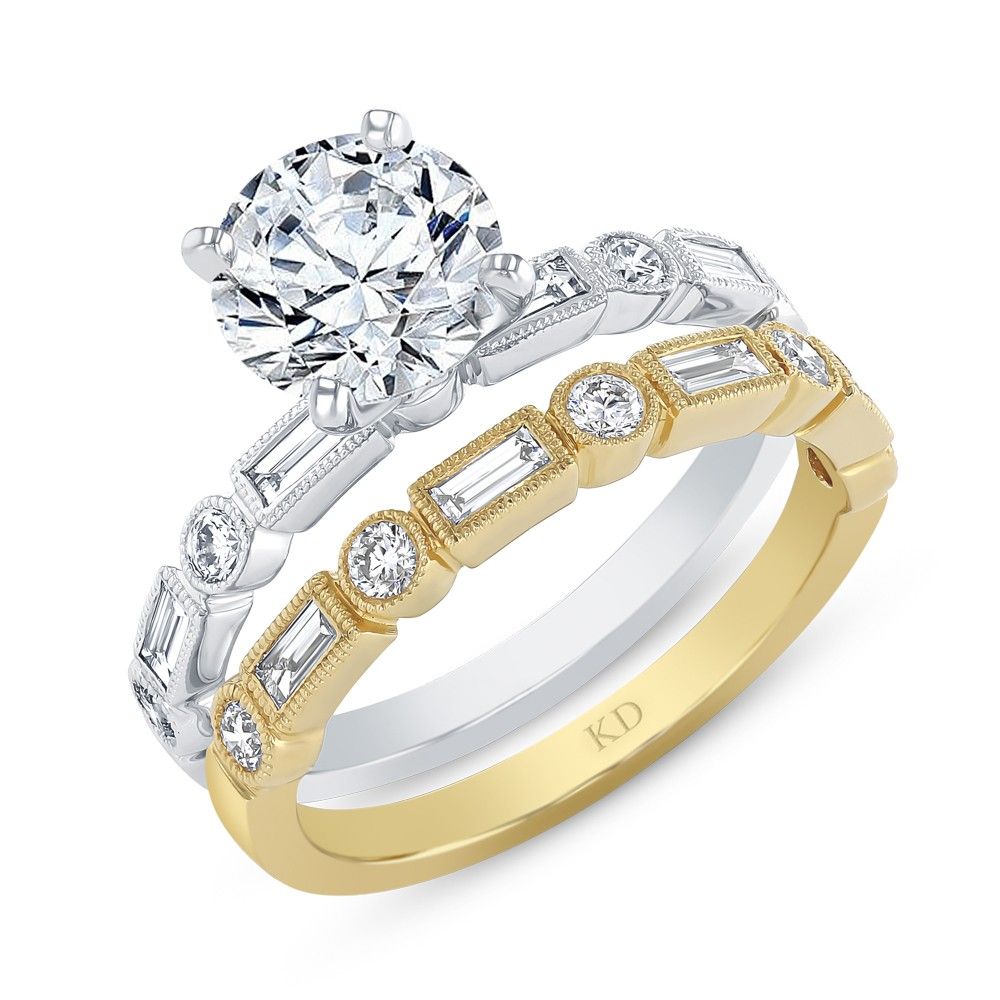
Sand isn’t just for beaches. It gets in your hair, bag, under your ring, even between your phone case and screen. A setting that catches sand can loosen stones or scratch the band. Locals lean into two styles: - Bezel settings: A metal rim wraps the stone, protecting edges from sand and snags, ideal for building sandcastles or fixing boat engines.
- Channel settings: Side stones fit into a groove, so no prongs catch fabric or coral. Prong settings, classic but higher-maintenance, work with thicker prongs and quarterly checks to keep stones secure. ## UV-Stable Stones: Colors That Don’t Fade in the Sun
Cayman’s sun is intense, intense enough to fade some gemstones. Diamonds handle it, but colored stones like amethyst, topaz, or kunzite fade fast, losing hue after a year of daily sun. Locals choose sapphires, rubies, or spinels. These are hard (sapphires rate 9 on the Mohs scale, just below diamonds) and hold color in direct sunlight. A sapphire center stone even adds a blue pop matching the Caribbean sea. ## The 4Cs, but Make It Cayman: Prioritizing What Lasts The 4Cs (cut, color, clarity, carat) matter, but locals tweak them for island life. Cut is key: a well-cut stone distributes weight to edges, less likely to chip when knocked against a boat cleat or beach chair. Clarity: small inclusions (SI1 or better) are fine; big ones can crack when lifting a cooler or digging in sand. Color: J-K grade diamonds look warm and white in Cayman’s light, costing less to leave room for a sturdier setting. Carat: a 1.5-carat stone in a bezel setting often lasts longer than a 2-carat in a delicate prong setting. ## Custom Design: Making Your Engagement Ring Grand Cayman Unique Locals don’t just buy, they craft stories. Many work with jewelers to add small, personal touches fitting their island lives. A diver might engrave a tiny parrotfish (the first they spotted) on the band. A gardener could choose a bezel setting with a green sapphire matching their favorite hibiscus, the one blooming by their front door. IDC Cayman specializes in these details, using computer-aided design to show a custom ring’s look before making it. This way, you get a piece that’s durable and yours. ## IDC Cayman: Building Rings for Life in the Islands For over 20 years, IDC Cayman has built rings that survive, and thrive, in our climate. We don’t just sell jewelry; we design for your life. Here’s what to expect on your first visit: - A chat, not a sales pitch: We’ll ask about your days, do you surf at Rum Point? Garden at the community plot? Fix boats with your hands?, to understand your ring’s needs.
- Testable samples: Try bezel settings, feel platinum’s weight, and see how metals look after saltwater exposure (we keep a tank with real rings, not just samples, to show real wear).
- A care plan: We’ll teach you to clean with warm, soapy water (no harsh chemicals) and schedule free annual checks to tighten prongs or polish the band. ## Frequently Asked Questions ### Can I swim in the ocean with my engagement ring?
Yes, with 14k gold, platinum, or palladium and a bezel or channel setting. Avoid prong settings while snorkeling or diving, coral can catch prongs and loosen stones. ### How often should I clean my ring in Cayman? Every 2 to 3 months. Salt buildup dulls metal, so a soft brush and mild dish soap keep it bright. We offer free cleaning at IDC Cayman, just stop by. ### Do colored stones work in Cayman’s sun? Most do! Sapphires, rubies, and diamonds are UV-stable. Avoid amethyst, topaz, or tanzanite, they can fade over time. ### Is platinum better than gold for island life? Platinum is denser and more scratch-resistant but develops a patina. 14k gold is more affordable and resists corrosion just as well, choose based on the look you love. ### Can I resize a saltwater-safe ring later? Yes, but platinum is harder to resize than gold. Choose a size that fits comfortably year-round, Cayman’s humidity can swell fingers, so err on the slightly looser side. ### What’s the most popular setting for locals? Bezel settings. They protect stones from sand and coral, and look sleek with casual shorts or formal dresses. ### Do I need a special warranty for Cayman’s climate? Look for a warranty covering metal corrosion and stone security. At IDC Cayman, all rings come with a 5-year warranty for setting repairs and metal polishing. ### How do I check if my setting is secure? Run a soft toothbrush over the stone, if it wiggles, the setting needs tightening. We offer free checks every 6 months to catch issues early. ## Example: A Ring That Works for a Local’s Busy Life Consider a nurse working 12-hour shifts, volunteering at beach cleanups (scooping seaweed and plastic), and sailing weekends. She chose a 14k yellow gold bezel setting with a 6mm sapphire. The bezel protects the sapphire from scratches (no more catching on gloves or scrubbing brushes). The 14k gold resists salt from 10 daily hand-washes. The sapphire stays bright after hours in the sun. She never takes it off, and it still looks new after 5 years. ## Why This Matters: Your Ring Should Tell Your Story A great engagement ring in Cayman isn’t just a love symbol, it’s a symbol of the life you build together. It should be there when you say ‘I do’ at a beach villa, catch your first mahi-mahi, and watch the sunset from your porch with a cold drink. With the right materials and setting, it will. Ready to find a ring that keeps up with your island life? Visit IDC Cayman in George Town, we’ll help design a piece as durable as your love. Browse our collection online to start imagining, then stop by to try styles that work for your days in the sun.