It is the question that faces almost every diamond buyer today: should you choose a natural diamond or a lab-grown one? Both are real diamonds, chemically, physically and optically identical, yet they are very different purchases, with different origins, different rarity and very different value over time. This guide explains how each is made, where they are the same, where they genuinely differ, and how to decide which is right for you, drawing on what our GIA-certified team explains to clients in George Town every day.
In short: lab-grown and natural diamonds look identical and are graded on the same 4Cs, so the choice is about values and budget, not quality. Lab-grown stones cost far less for the same look, often 70 to 80 percent below natural, while natural diamonds are finite, carry geological rarity and tend to hold their value better. Insist on a GIA report either way, and buy in George Town to keep the whole purchase tax-free.
How Each Diamond Is Made
The single real difference between the two stones is where they crystallised. Everything else, from the way light moves through them to how they are graded, follows from understanding those two very different journeys.
Natural diamonds, born in the earth
A natural diamond formed between one and three billion years ago, deep in the earth's mantle, where extreme heat and pressure forced carbon atoms into the tightly bonded lattice that makes diamond the hardest material on earth. Violent, ancient volcanic eruptions then carried these crystals towards the surface, where they waited in rock to be found. Only a small fraction of what is mined is fine gem quality, which is precisely why a beautiful natural diamond is genuinely rare and irreplaceable.
Lab-grown diamonds, HPHT and CVD
A lab-grown diamond is created in a controlled chamber over a matter of weeks using one of two methods. High Pressure High Temperature (HPHT) recreates the crushing conditions of the mantle around a tiny diamond seed. Chemical Vapour Deposition (CVD) builds a crystal layer by layer from a carbon-rich gas. Both produce pure crystalline carbon, the same substance nature makes, simply on a human timescale rather than a geological one.
Are Lab-Grown Diamonds Real Diamonds?
Unequivocally, yes. This is the most important point to settle before you compare anything else, because it shapes every decision that follows.
Same carbon, same hardness
A lab-grown diamond has the same chemical composition, the same hardness of 10 on the Mohs scale, and the same brilliance, fire and scintillation as a natural diamond. It is not a simulant like cubic zirconia or moissanite, which are different materials made only to imitate the look of a diamond. Set side by side, even a trained gemologist cannot tell a lab-grown diamond from a natural one with the naked eye.
How a lab-grown stone is identified
Because the two are visually identical, origin is confirmed in a laboratory using specialist equipment, not by eye. The GIA grades lab-grown diamonds on the very same 4Cs because the quality criteria are identical. The report simply notes the grown origin, and most lab-grown stones carry a tiny “LG” laser inscription on the girdle, invisible without magnification.
Natural vs Lab-Grown at a Glance
The table below summarises the practical differences clients ask about most. Quality and beauty are deliberately left out, because on those points the two are equal.
| Natural | Lab-grown | |
|---|---|---|
| Origin | Formed in the earth over one to three billion years | Grown in a laboratory in a matter of weeks |
| Appearance | Brilliant and fiery, identical to the eye | Brilliant and fiery, identical to the eye |
| Relative price | Higher, the premium reflects rarity | Typically 70 to 80 percent lower for the same look |
| Rarity | Finite and irreplaceable | Can be produced in essentially unlimited quantities |
| Resale and value | Established secondary market, holds value better | Limited resale, values still settling as supply grows |
| Certification | Insist on a GIA report | Insist on a GIA report |
The Differences That Actually Matter
Once you accept that both are real diamonds of equal beauty, the decision comes down to a handful of practical and personal points.
Price and what your budget buys
This is the difference most people feel first. Lab-grown diamonds of comparable grades typically sell at 70 to 80 percent below natural, so the same budget buys a noticeably larger or higher-graded look. If your priority is maximum size or sparkle for a given sum, lab-grown is compelling. Our complete diamond buying guide explains how to spend that budget well whichever route you take.
Rarity, resale and long-term value
Natural diamonds are finite and have an established secondary market, so fine stones tend to hold their value over decades. Lab-grown diamonds can be made in essentially unlimited quantities, and as production has scaled their prices have fallen and continue to settle, so they currently retain little resale value. If you think of a diamond partly as a store of value or a future heirloom, this matters; if you think of it purely as something beautiful to wear, it may not.
Provenance and meaning
A natural diamond carries a story measured in billions of years, a fragment of the earth older than life itself. For many people, especially for an engagement or an heirloom, that provenance is the entire point. A lab-grown diamond is a technical marvel, and its meaning is whatever you and the wearer decide it should be. Neither sentiment is more valid than the other.
The environmental picture
It is tempting to call one stone greener than the other, but the honest answer is nuanced. Lab-grown diamonds avoid mining, yet growing them is energy-intensive and that energy is not always renewable. Responsible mining, meanwhile, operates under strict environmental rehabilitation and community standards and supports many livelihoods. We are happy to talk through both pictures so you can weigh them for yourself.
Quality Is Identical, So Judge Both the Same Way
Whichever origin you choose, the rules for picking a beautiful stone do not change. A poorly cut lab-grown diamond is just as dull as a poorly cut natural one.
The 4Cs apply to both
Prioritise cut above all, because it is the one C set by human skill and the biggest driver of sparkle. Then choose roughly G to H colour and VS2 to SI1 clarity for a stone that looks flawless to the eye, and decide carat within your budget. These sweet spots hold true for natural and lab-grown alike, and you can read each in detail in our guides to cut, colour, clarity and carat weight.
Why GIA certification is non-negotiable
Some laboratories grade more generously than others, which can make a stone look better on paper than it is in the hand. The GIA is independent of any commercial diamond business, so its grades are objective and read identically in New York, London or George Town. We never sell a diamond, natural or lab-grown, with a softer laboratory's certificate as its primary document. Our guide to GIA certification explains how to read every line of the report.
Which Should You Choose?
There is no universally correct answer, only the answer that is right for you. The questions below usually settle it quickly.
Choose natural if
You value rarity and geological provenance, you want a stone with the best chance of holding its value, or you are buying an heirloom or an engagement ring meant to be passed down. For many buyers, knowing the diamond is a finite piece of the earth is worth the premium on its own.
Choose lab-grown if
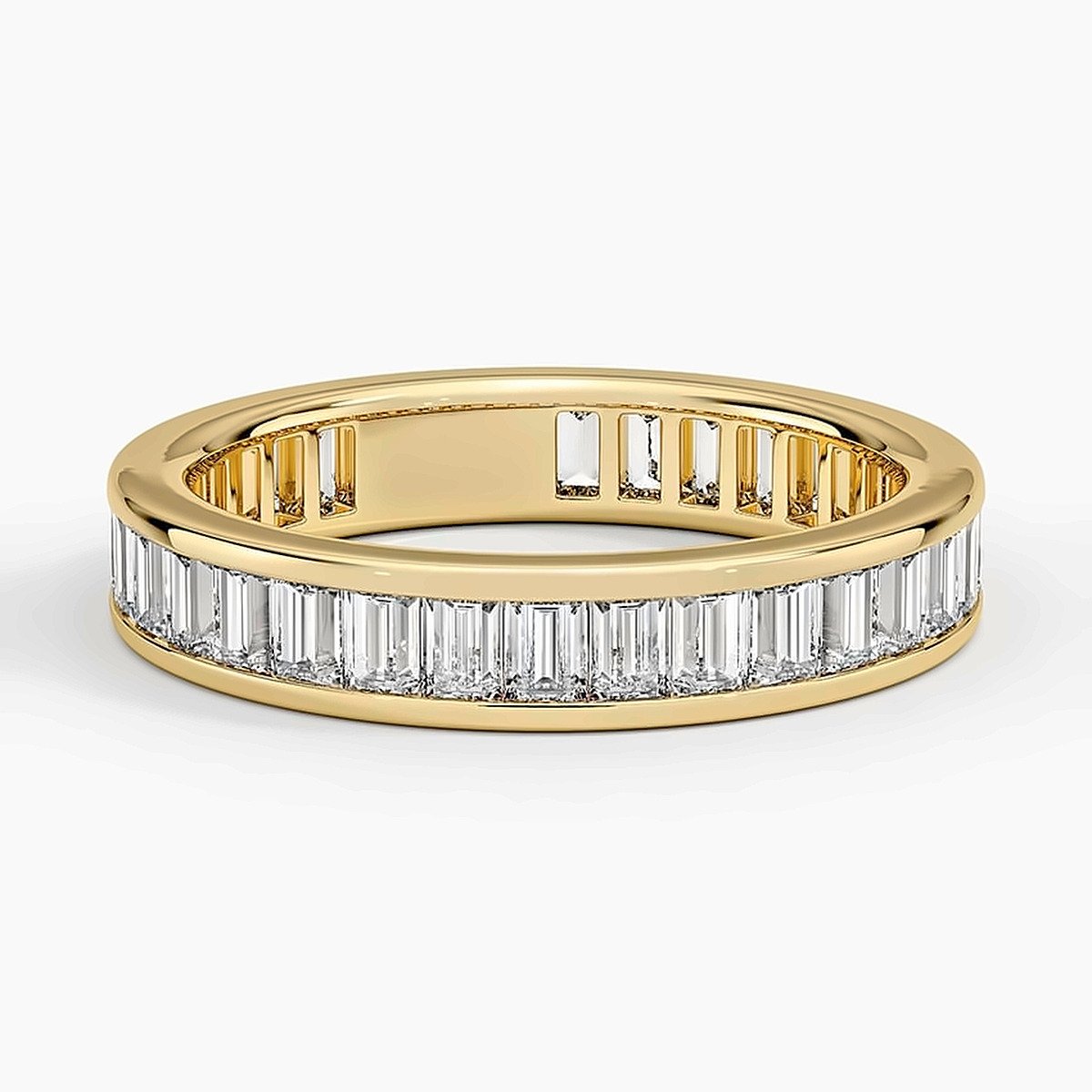
Your priority is the largest, highest-graded look your budget allows, you are relaxed about resale, and you see the stone's meaning as entirely personal. Lab-grown is also a sensible choice for pieces where you want maximum presence for the money, such as a tennis bracelet, an eternity band or stud earrings.
Neither choice is superior. What matters is that you understand the difference, decide with full information, and love what you wear.
Buying Natural or Lab-Grown in Grand Cayman
At IDC Cayman we carry both natural and lab-grown diamonds, every one GIA-certified and offered entirely tax-free. We will never push you toward one or the other; our role is to explain the distinctions honestly and help you choose the diamond that is right for you. Because the Cayman Islands levy no sales tax and no VAT, a diamond here can cost roughly 20 to 35 percent less than the same stone in the United States, the United Kingdom or Europe, value you can put back into a better cut or a larger carat. See how the tax-free advantage works, browse our loose certified diamonds and the wider fine jewellery collection, then visit us on the George Town waterfront, no appointment needed.