
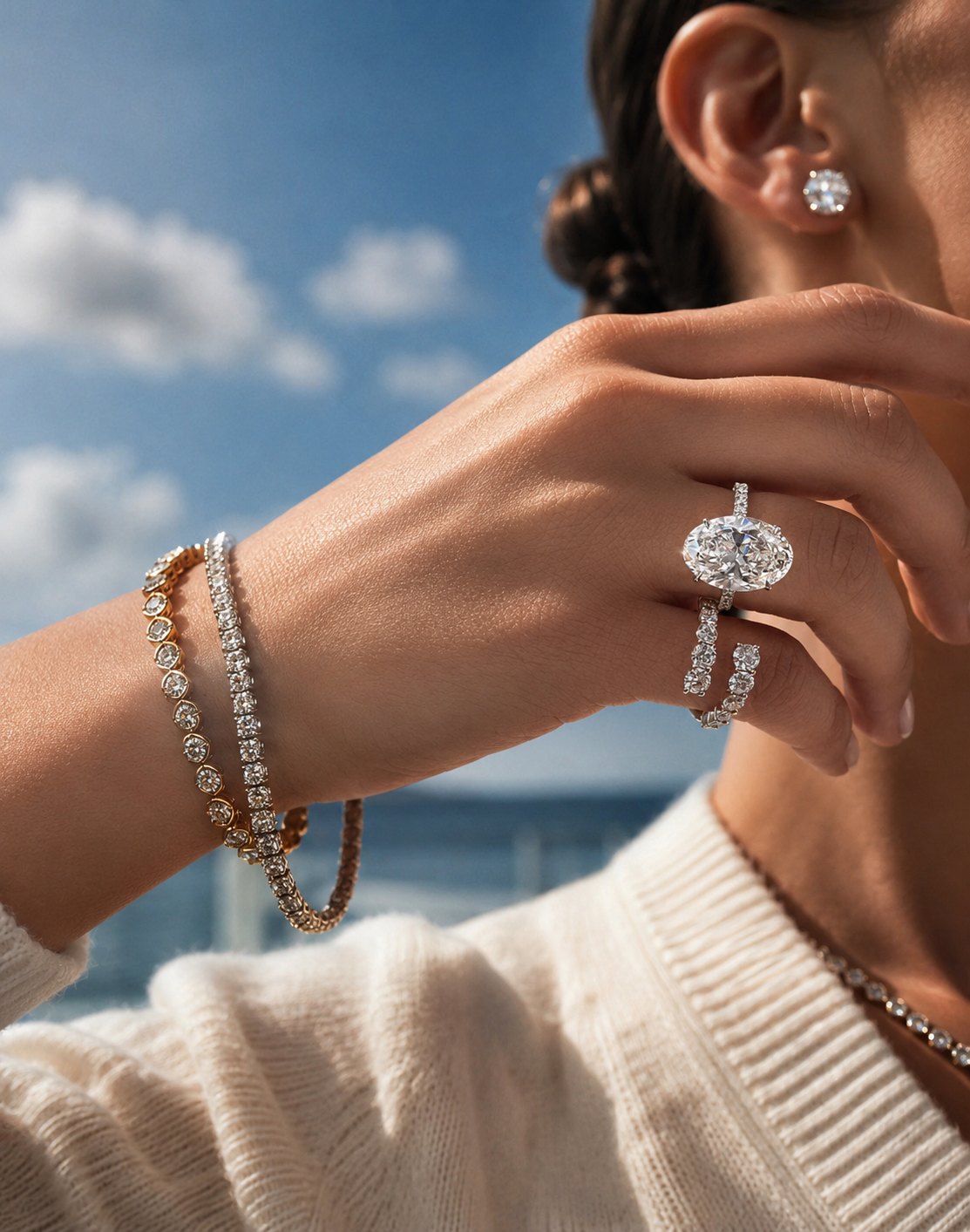
Grand Cayman is one of the smartest places in the Caribbean to buy a certified diamond, and not only because of the setting. The island is genuinely tax-free, the George Town boutiques sit a short walk from the cruise terminal, and the best of them work exclusively with GIA-certified stones. Many visitors arrive with only a few hours ashore and a serious purchase in mind, which is exactly the situation in which a little preparation pays off. This guide explains why the island makes sense, how to insist on proper certification, what to bring, and exactly what to expect from start to finish.
In short: buy a GIA-certified loose diamond, prioritise cut above the other grades, choose roughly G to H colour and VS2 to SI1 clarity for a stone that looks flawless to the eye, and let the island's tax-free status redirect 20 to 35 percent of typical home-market cost into a better stone. Then build the setting around it, and ship it home insured if you would rather travel light.
Why Grand Cayman Is a Smart Place to Buy
Two advantages set the island apart, and they work best together: a genuine tax-free environment and a concentration of established, certification-led boutiques within walking distance of where you arrive.
The tax-free advantage
The Cayman Islands levy no sales tax and no VAT, so the figure on the tag sits closer to the true value of the diamond and the craftsmanship than it would in most home markets, and more of your budget reaches the stone rather than the taxman. In practice the same diamond can cost roughly 20 to 35 percent less than it would in the United States, the United Kingdom or Europe. Our guide to tax-free jewellery shopping explains exactly how the saving works and how to bring it home cleanly.
Certification before price
A saving on an uncertified or over-graded diamond is no saving at all, because you cannot truly know what you have bought. That is why certification, not price, comes first. The best boutiques treat the GIA report as the starting point of every conversation, and so should you. For the full picture of how to buy well, our complete diamond buying guide covers the principles in depth.
Insist on GIA Certification
The Gemological Institute of America is the world's leading independent gemological laboratory, and because it has no commercial stake in the stones it grades, its assessments are objective and read identically in New York, London or George Town.
Why GIA over other laboratories
A GIA report documents the diamond's colour, clarity, cut and carat, along with its measurements and any treatments, which makes the stone easy to value, compare and insure anywhere in the world. Some laboratories grade more generously, so a stone called F colour and VS2 elsewhere may be H colour and SI1 under GIA standards, which means you could unknowingly overpay. Be cautious of certificates from lesser-known labs presented as the primary document.
How to read the report
Ask to see the full report for any diamond before you commit, and check that the report number matches the stone. Keep the report with your purchase; it is your proof of quality for insurance and for any future valuation or resale. Our guide to GIA certification walks through every line of the report so you can read it with confidence.
A Practical 4Cs Sweet Spot
Once certification is settled, the 4Cs decide how beautiful a stone looks for your budget. This table sums up the practical recommendations our gemologists share most often, the same advice in our complete diamond buying guide.
| The 4Cs | Practical sweet spot | Why it works |
|---|---|---|
| Cut | Excellent or Very Good for round brilliants | Cut is the biggest driver of brilliance and fire |
| Colour | G to H in white metals, warmer in yellow gold | Looks white to the eye for far less than the top grades |
| Clarity | VS2 to SI1 for most shapes | Eye-clean without paying for what only a loupe reveals |
| Carat | Just below the round weights | A 0.95 carat looks like a 1.00 for noticeably less |
Cut deserves the most attention, so our cut grades explained guide is the one to read first, while the diamond shapes guide shows how shape changes how large a stone looks for its weight.
Choosing a Loose Stone and Building a Ring
The most rewarding way to buy is to choose the diamond first and design the ring around it, rather than the other way around.
- Start with the loose diamond. Selecting the stone first, under a loupe and against its GIA report, lets you judge cut, brilliance and eye-cleanliness without the distraction of a setting.
- Prioritise cut above the other factors. Precise faceting is what makes a diamond come alive, and it matters far more to beauty than a fraction of a carat or a single grade of colour.
- Decide natural or lab-grown on your own terms. Both are real diamonds and both deserve a GIA report; our guide to natural versus lab-grown diamonds lays out the trade-offs.
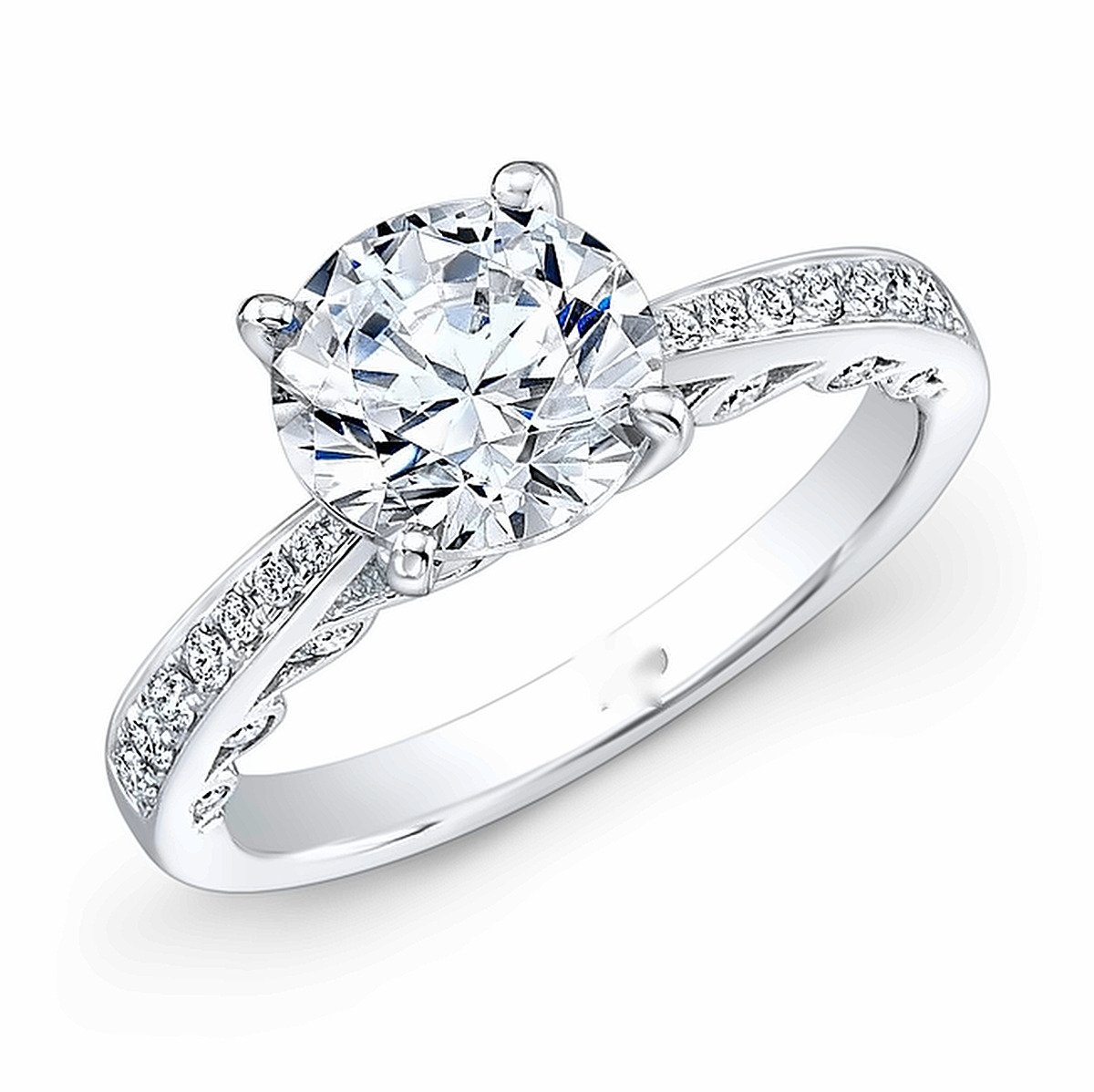
- Choose the setting around the stone, in 14-carat or 18-carat gold, as a classic solitaire, a brilliant halo or a three-stone design. Explore finished engagement rings for inspiration.
- Allow time for custom work. Ready-to-wear pieces are available immediately, while a fully bespoke design may take longer, so mention your timeline early.
What to Bring and What to Expect
A short, well-prepared visit nearly always beats a long, unfocused one. Arrive with a sense of your preferences and a clear idea of how a good boutique should treat you.
What to bring
- A sense of your preferences: metal colour, a shape you admire, a rough size and a budget range, even an approximate one, all help the gemologist narrow the selection quickly.
- Your ring size if you know it, or arrive early enough to have it measured first.
- Any inspiration images, which help translate a vision into a stone and a setting.
What to expect
- To handle stones yourself, compare grades side by side, and read the GIA reports rather than being rushed.
- An unhurried consultation; a reputable boutique educates rather than pressures.
- Clear documentation: your GIA report, a detailed receipt and the terms of after-care in writing.
From the Cruise Terminal to Your Door
Cruise ships tender their passengers into the heart of the George Town waterfront, only minutes on foot from the boutiques, so a serious purchase fits comfortably into a port day with planning. Our cruise visitor's guide explains how to make the most of limited hours ashore.
Getting it home safely
Keep your receipt and GIA report together, as they serve as proof of purchase and value for insurance and for any declaration your home country may ask for. If you would rather not travel with your purchase, free insured worldwide shipping will deliver it safely to your door with full documentation.
Buy the certificate as much as the stone: a GIA report is what turns a tax-free price into a genuine saving.
Buying With Confidence in George Town
At IDC Cayman, on the George Town waterfront since 2011, you can take your time. Browse our loose certified diamonds, compare them in the hand, read each GIA report, and discuss a setting with no pressure and no appointment needed. If your taste runs to colour, ask to see our coloured gemstones too. Every diamond is GIA-certified, every purchase is tax-free, and every piece comes with lifetime after-care. When you are ready, visit us on the waterfront.