How do I choose an engagement ring?
Choosing an engagement ring involves four key decisions: the diamond (shape, size, and quality), the setting style, the metal, and the budget. Start with the diamond shape round brilliant, oval, cushion, and pear are the most popular then consider a setting that suits your partner's lifestyle and aesthetic. A simple solitaire is timeless and puts the focus entirely on the diamond; a halo adds perceived size and brilliance; a three-stone ring carries symbolic meaning. For metal, platinum is the most durable and is recommended for everyday wear; 18-carat gold (yellow, white, or rose) is slightly less hard but offers warmth and versatility. Setting a clear budget before you begin lets you focus on the combination of cut, colour, clarity, and carat weight that delivers the most beautiful stone within your range.
What is the most popular engagement ring style?
The round brilliant solitaire remains the most popular engagement ring style globally, combining the most brilliant diamond shape with a clean, classic setting that suits any hand and any era. Among solitaires, four-claw and six-claw settings are both widely popular four claws show more of the diamond; six claws offer greater security. In recent years, oval solitaires have become extremely popular alongside cushion-cut halos. The three-stone ring is the most popular symbolic choice, representing the past, present, and future of a relationship.
What is a solitaire engagement ring?
A solitaire engagement ring features a single centre diamond with no additional stones set in the band. It is the most classic and enduring engagement ring design, with the entire focus of the ring on one diamond. The setting can be a prong (claw) setting the most traditional or a bezel setting, where the diamond is encircled in a rim of metal. Solitaires are the most versatile engagement ring choice: they pair easily with any wedding band and look beautiful in any metal.
What is a halo engagement ring?
A halo engagement ring features a centre diamond surrounded by a border of smaller pavé or prong-set diamonds. The halo serves two purposes: it adds sparkle and visual weight around the centre stone, making it appear larger; and it creates a frame that draws the eye to the centre diamond. Halo settings are particularly popular with cushion, pear, and oval centre diamonds. The additional small diamonds in a halo setting do increase the ring's maintenance requirements prongs on small stones need periodic checking.
What is a pavé engagement ring?
A pavé (pronounced pah-vay) engagement ring features a band set with small diamonds embedded closely together, covering the surface of the band in what appears to be a continuous pave of sparkle. The word comes from the French for 'paved'. Pavé settings can cover the full band, half the band, or just the shoulders near the setting. Full pavé bands maximise brilliance and are particularly striking with a halo setting; half-pavé and shoulder-set designs offer brilliance with a cleaner underside. Pavé diamonds are small but collectively add significant sparkle and visual value to the ring.
What is the difference between a halo and a hidden halo ring?
A standard halo ring features a visible row of small pavé diamonds surrounding the centre stone, sitting on top of the ring and fully visible from above. A hidden halo, by contrast, features a row of small diamonds set underneath the centre stone's setting visible from the side and at certain angles, but not visible from above. This creates a subtle, romantic surprise: the ring appears as a clean solitaire from most viewing angles but glimmers with additional diamonds when seen from the side. The hidden halo has become one of the most fashionable engagement ring details in recent years.
What is a three-stone engagement ring and what does it symbolise?
A three-stone engagement ring features one centre diamond flanked by two matching side stones. The three-stone design has a long romantic history: the three diamonds are traditionally said to represent a couple's past, present, and future together. In practical design terms, the three-stone setting showcases a larger total diamond weight than a single stone of the same budget, and the combination of centre and side stones creates a beautifully layered, dimensional look. Common combinations include a round brilliant centre with tapered baguette sides, or a cushion centre with round or pear-shaped side stones.
How do I find out my partner's ring size without them knowing?
The most reliable method is to borrow one of your partner's rings that they wear on their ring finger, trace the inside of it on paper, and bring it to a jeweller for sizing. If that is not possible, a friend or family member who is in on the surprise may know the size, or may be able to casually raise the subject. As a general guide, the average women's ring size is UK L-N (US 6-7). If you are genuinely uncertain, err on the side of slightly larger it is easier to size a ring down than to add metal to size it up. IDC Cayman provides ring resizing for all rings purchased in-store.
What metal is best for an engagement ring platinum or gold?
Platinum is the finest metal for an engagement ring. It is naturally white it does not require rhodium plating to appear white, unlike white gold and it is denser and more durable than gold, meaning prongs and settings are more secure over decades of wear. Platinum develops a natural patina over time rather than wearing away; metal is displaced rather than lost, which actually creates a cushion that protects diamonds. For these reasons, most fine jewellery specialists and diamond engagement ring experts recommend platinum. At IDC Cayman, the majority of engagement rings are made in platinum; 18-carat gold is available for clients who prefer its aesthetic or feel.
What is the difference between platinum and white gold?
Both are white metals, but they are fundamentally different. Platinum is a naturally white precious metal approximately 95% pure in jewellery with a cool, silvery-white appearance. White gold is yellow gold alloyed with white metals (typically palladium or nickel) and then rhodium-plated to appear white. Over time, the rhodium plating on white gold wears off and the ring may begin to show a slight yellow tint at high-wear areas, requiring re-plating every few years. Platinum does not require plating and maintains its white colour permanently. Platinum is denser and heavier than white gold, which many buyers associate with quality and durability.
What is an eternity ring and how is it different from an engagement ring?
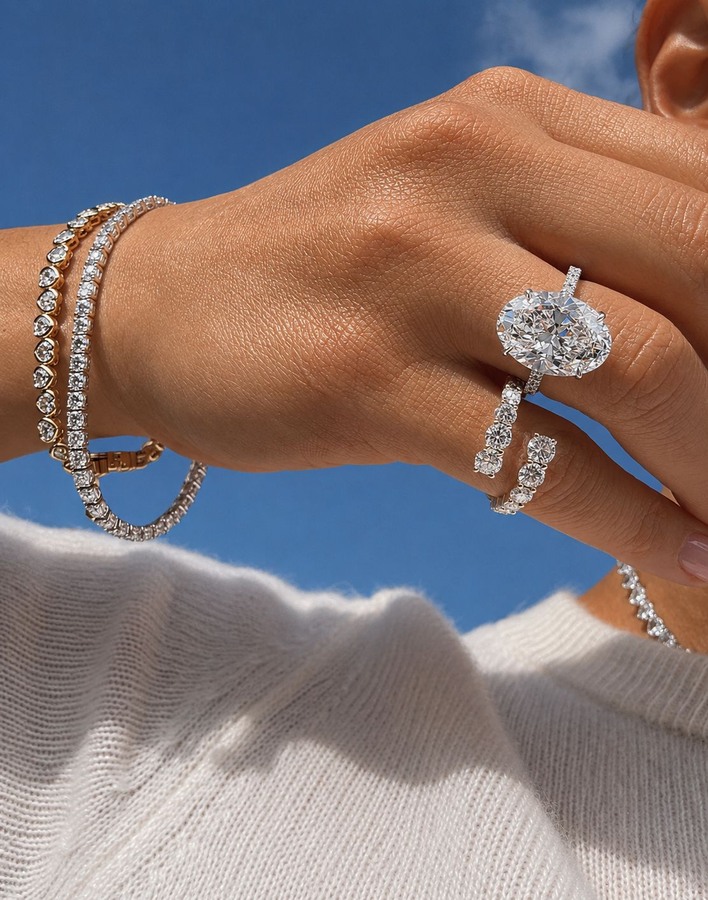
An eternity ring is a band set with a continuous or part-continuous line of gemstones usually diamonds around the full or partial circumference of the band. It is traditionally given to mark a significant anniversary, the birth of a child, or another life milestone, as a complement to the engagement and wedding rings. A full eternity ring is set all the way around; a half eternity ring has diamonds set on the top half only, which is more practical for everyday wear and easier to resize. Eternity rings are typically worn alongside the engagement and wedding ring as a ring stack.
What diamond shape is most popular for engagement rings right now?
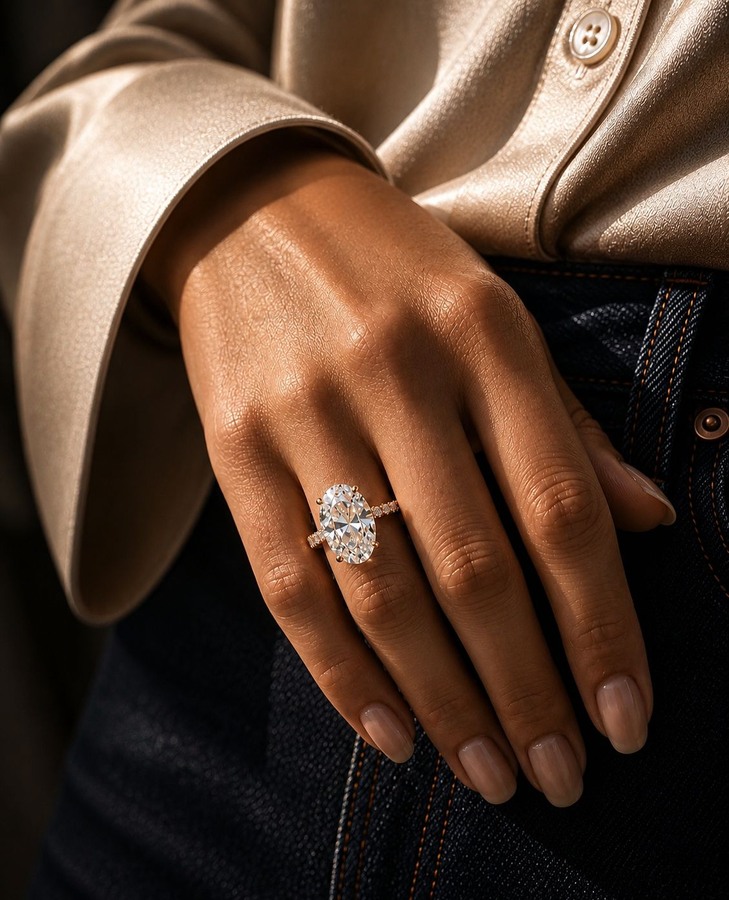
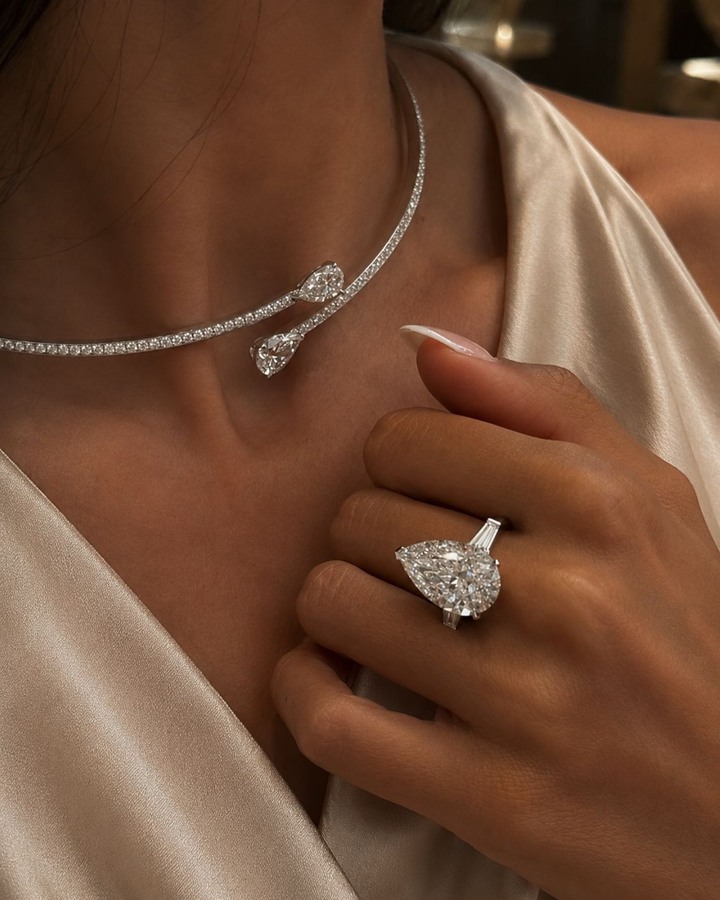
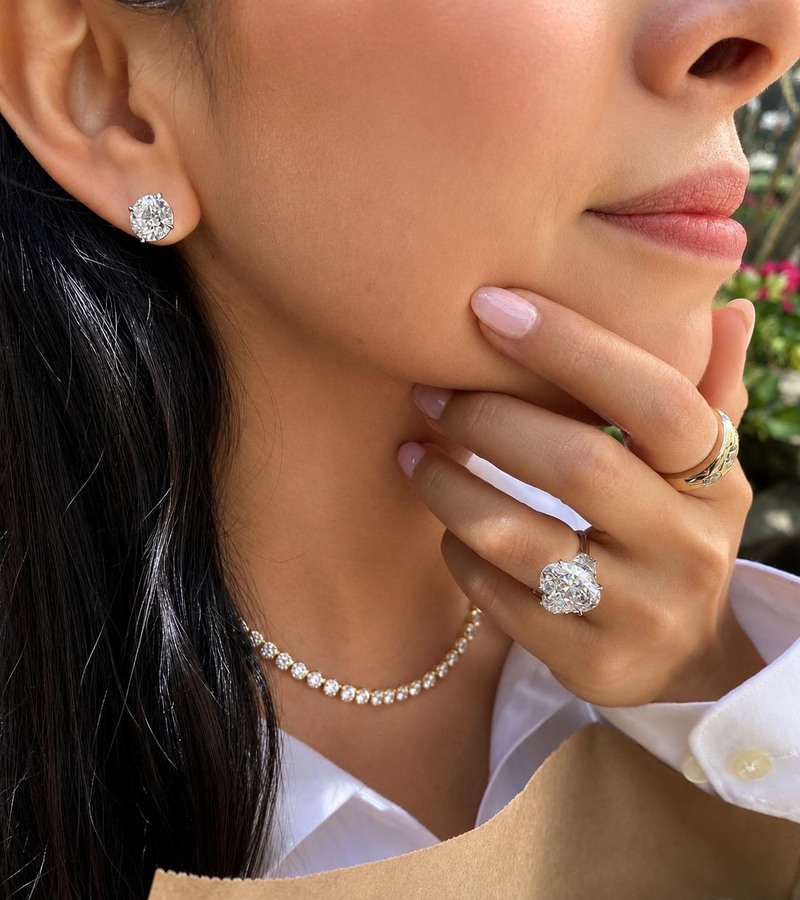
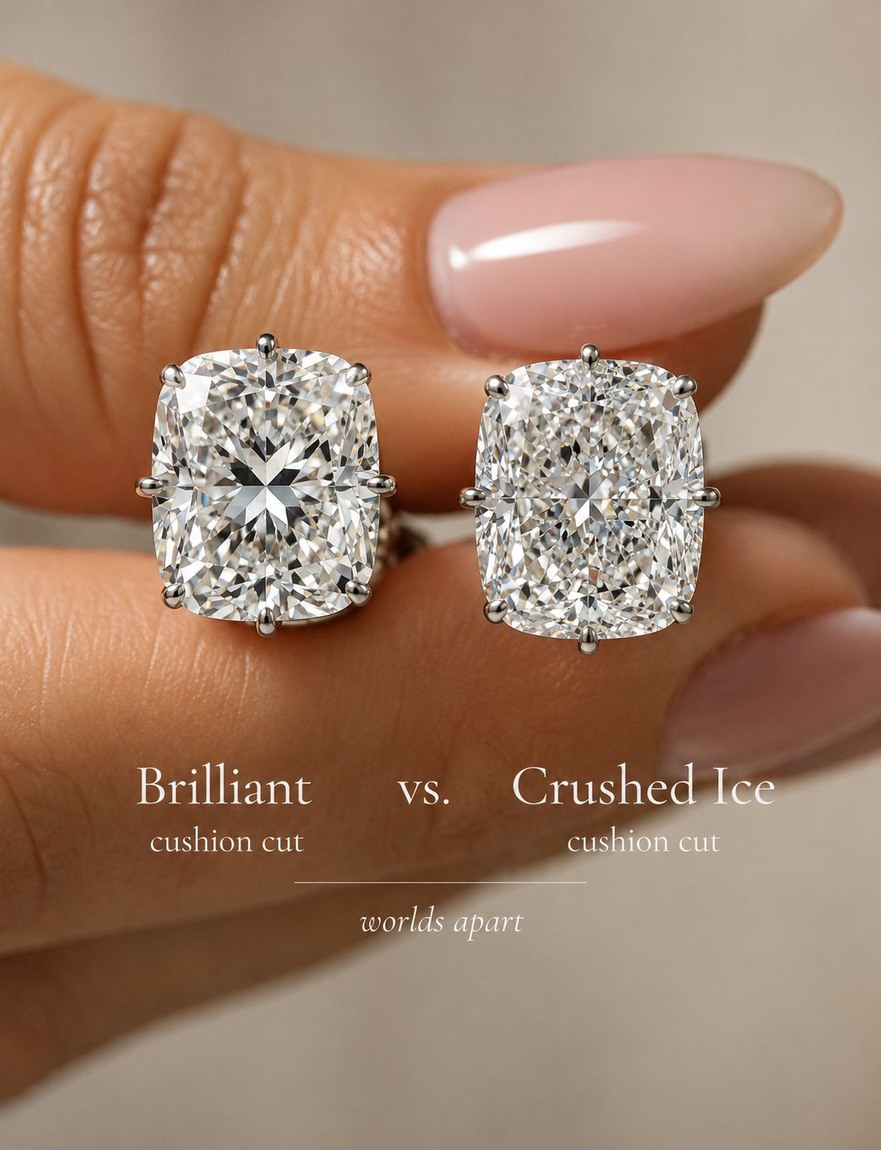
Oval cut diamonds are currently the most fashionable engagement ring choice, driven by their elongating effect on the finger, their large-looking face-up size relative to their carat weight, and their versatility in both vintage-inspired and contemporary settings. Round brilliants remain the bestselling shape overall due to their maximum brilliance. Cushion cuts which combine a soft square outline with brilliant faceting are popular for their romantic, vintage feel. Pear shapes have also seen a significant resurgence, appreciated for their unique, directional beauty.
How much should an engagement ring cost?
There is no correct amount to spend on an engagement ring. The widely repeated 'two months' salary' rule is a marketing guideline created by De Beers in the 1940s and 1980s and has no basis in jewellery value or tradition. The right amount is whatever allows you to buy a ring that will delight the recipient, suit their lifestyle, and carry meaning for your relationship. A beautifully cut 0.70ct GIA-certified diamond in a considered platinum setting can be just as wonderful and far more meaningful than a larger but poorly cut stone. At IDC Cayman, our team works with every budget to find the best ring possible.
What does carat weight mean for an engagement ring diamond?
Carat weight measures the mass of the diamond: one carat equals 0.2 grams. For an engagement ring, carat weight is one factor in determining how large the diamond appears but it is not the only factor. The shape of the diamond, its cut proportions, and how it sits in the setting all affect perceived size. An oval cut diamond will look noticeably larger on the finger than a round brilliant of the same carat weight. A well-cut 0.90ct diamond can look more impressive than a poorly cut 1.10ct stone. When choosing an engagement ring diamond, consider carat weight alongside cut, shape, and setting style to find the combination that looks best.
Is a bigger diamond always better for an engagement ring?
Not always and the answer depends on factors beyond just the diamond. A larger diamond draws attention, but if it is poorly cut, low-colour, or heavily included, it may not look as beautiful as a smaller, better-quality stone. Additionally, the diamond must suit the wearer's hand: a very large diamond on a fine-boned hand may look unwearable for everyday life. The most important quality in an engagement ring is that it suits and delights the person who will wear it every day. At IDC Cayman, we help clients balance all factors size, quality, style, and setting rather than simply maximising carat weight.
What is a cathedral setting on an engagement ring?
A cathedral setting features arched supports rising from the band to hold the centre stone elevated above the ring's shoulder, like the flying buttresses of a cathedral. The arch creates a dramatic, elegant silhouette and raises the diamond higher from the band, which maximises light entry from all angles and enhances the stone's brilliance. Cathedral settings suit larger centre stones well and give the ring a classic, architectural presence. The trade-off is that a higher-profile ring may catch on clothing more readily than a lower-set design.
What is a bezel setting for a diamond?
A bezel setting encircles the diamond in a rim or collar of metal, holding the stone securely without prongs. It is the most protective setting for a diamond with no prongs to catch or bend, the diamond is very secure and suited to active lifestyles. Bezel settings give the ring a clean, modern, or sometimes vintage appearance depending on the design. A full bezel encircles the diamond completely; a partial or semi-bezel holds two sides of the stone while leaving two sides open. The trade-off is that a bezel setting covers more of the diamond's circumference, which can make it appear slightly smaller than the same stone in a prong setting.
Can I design a completely custom engagement ring?
Yes and bespoke design is one of the most rewarding ways to create an engagement ring. Starting from a blank page, you work with a jeweller to choose or source the exact diamond, select the setting style, metal, and every detail of the design. The process typically involves an initial consultation to discuss ideas and establish the brief, then one or more design sketches or CAD renderings for approval before the ring is made. Bespoke engagement rings take longer than choosing from a collection typically four to eight weeks and require clear communication about the design, but the result is a ring that exists nowhere else in the world. IDC Cayman's bespoke atelier in George Town specialises in engagement ring design and fabrication.
What is an engagement ring stack?
An engagement ring stack refers to wearing multiple rings together on the same finger as a coordinated set. The most common stack is an engagement ring worn with a wedding band designed or chosen to sit flush against each other without a gap. Some couples also add an eternity ring at a later milestone, creating a three-ring stack. Stacking requires that the rings be designed or selected to complement each other in profile: a solitaire with a plain curved band will sit flush; a halo ring may require a contoured or shaped wedding band to nestle against the setting without a gap. IDC Cayman can design a matching wedding band to sit perfectly with your engagement ring.
How do I care for and clean an engagement ring at home?
The safest way to clean an engagement ring at home is to soak it for 20-30 minutes in warm (not boiling) water with a small amount of mild dish soap, then gently brush the setting and underside of the diamond with a very soft toothbrush. Rinse thoroughly under running water with the drain closed and pat dry with a lint-free cloth. Avoid ultrasonic cleaners for rings with pavé settings or gemstones other than diamonds. Avoid chlorine bleach, which can damage gold alloys, and hairspray, perfume, and hand cream, which can cloud diamonds. IDC Cayman provides complimentary professional cleaning for all rings purchased in-store.
What engagement ring styles does IDC Cayman offer?
IDC Cayman's engagement ring collection spans classic solitaires, halo rings, hidden halo designs, pavé bands, three-stone rings, vintage-inspired styles, and nature-inspired designs all set with GIA-certified diamonds in platinum and 18-carat gold. The collection is shown live from the boutique, with every piece available to view in person during a private appointment. Custom variations different carat weights, shapes, or setting details can be arranged for most styles in the collection.
Does IDC Cayman offer bespoke engagement ring design?
Yes. Bespoke engagement ring design is a signature service of IDC Cayman. The process begins with a private consultation at the George Town boutique, where our team listens to your brief the style, the diamond shape, the metal, and any specific design elements that matter to you. From there, we create detailed sketches and, for complex designs, CAD renderings for your approval. The ring is then fabricated by hand in our atelier. Bespoke rings typically take four to eight weeks from approved design to completed ring. There is no obligation at the consultation stage.
Are IDC Cayman engagement rings GIA-certified?
Yes. Every significant diamond used in IDC Cayman engagement rings is independently graded and certified by the Gemological Institute of America. The GIA certificate accompanies the ring and is reviewed with the client before purchase. GIA certification confirms the diamond's cut, colour, clarity, and carat weight to the world's highest independent standard giving complete confidence that the stone is exactly as represented. IDC Cayman does not use in-house graded diamonds for significant stones.
What is the advantage of buying an engagement ring in Grand Cayman?
Buying an engagement ring in Grand Cayman at IDC Cayman saves a significant amount compared to the same ring purchased at home. The Cayman Islands levies zero import duty and zero sales tax on diamonds and jewellery. For UK and European buyers, this represents a saving equivalent to 20%+ VAT. For Australian buyers, 10% GST. For American buyers, the saving equals their applicable state sales tax potentially several thousand dollars on a meaningful diamond. The savings are realised at purchase with no refund paperwork or customs process required.
How long does a bespoke engagement ring take to make at IDC Cayman?
A bespoke engagement ring at IDC Cayman typically takes four to eight weeks from the client's approval of the final design to the completed ring. The process begins with a free private consultation, followed by design sketches and, for complex pieces, CAD renderings. Once the design is approved, the ring is hand-fabricated in our George Town atelier. For clients with a specific deadline a planned proposal date or a trip to the Cayman Islands we recommend beginning the process as early as possible. Rush timelines of two to three weeks can sometimes be accommodated depending on the complexity of the design.