What is the difference between a wedding ring and a wedding band?
In common usage, 'wedding ring' and 'wedding band' are interchangeable — both refer to the ring exchanged during a wedding ceremony. Traditionally, 'band' emphasises a ring without a centre stone, while 'ring' can refer to any circular jewellery including those set with diamonds. In fine jewellery contexts, plain metal rings are typically called bands; those set with diamonds throughout are called eternity rings or diamond bands. For practical purposes, wedding ring and wedding band mean the same thing.
What metal is best for a wedding ring?
The best metal for a wedding ring depends on personal priorities. Platinum is the finest choice for longevity and low maintenance — it is naturally white, more durable than gold, and develops a beautiful patina rather than wearing away. 18-carat gold is available in yellow, white, and rose, and is slightly less expensive than platinum; it is durable but softer than platinum. 9-carat gold is harder due to its higher alloy content but contains less gold (37.5% vs 75% for 18ct) and is not used by fine jewellers. For everyday wear over a lifetime, platinum or 18-carat gold are the recommended choices.
What is the difference between platinum and gold for a wedding ring?
Platinum is a naturally white precious metal (approximately 95% pure in jewellery) that is denser, harder-wearing, and more expensive than gold. It does not tarnish or change colour. White gold is yellow gold alloyed with white metals and rhodium-plated to appear white — the plating can wear off over years, revealing a slightly warm tone, and may need periodic re-plating. Platinum will outlast white gold without maintenance. Yellow gold requires no plating and its warm colour is natural and permanent. For a ring worn every day for decades, platinum is the superior choice for durability.
What is a comfort-fit wedding band?
A comfort-fit wedding band has a slightly rounded interior edge — like the inside of the band is domed — rather than a flat inner surface. This rounded profile makes the ring easier to put on and take off over the knuckle, and creates a more comfortable feel in everyday wear, particularly for rings worn continuously. Comfort fit is especially appreciated in wider bands and is the default interior profile for most modern fine wedding bands.
What is the difference between a plain wedding band and a diamond wedding band?
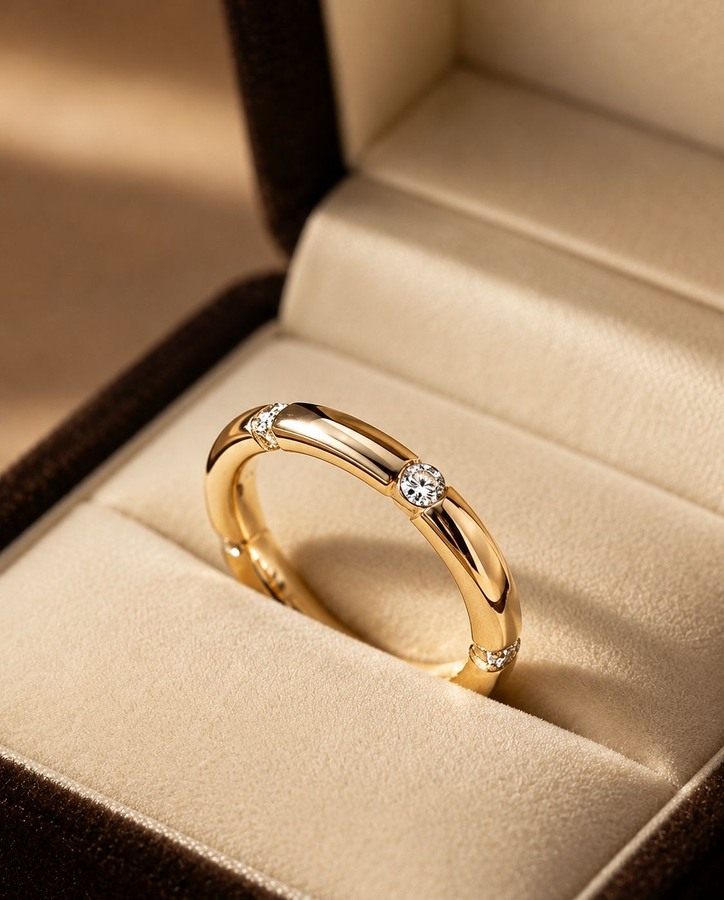
A plain wedding band is a simple ring of precious metal with no gemstones — typically round or flat in cross-section, available in platinum or gold. It is the most traditional wedding ring style, chosen for its simplicity, timelessness, and comfort. A diamond wedding band incorporates diamonds set into the band itself — in pavé, channel, bezel, or prong settings. Diamond bands add brilliance and visual interest, and can be worn alone or paired with an engagement ring.
What is a pavé wedding band?
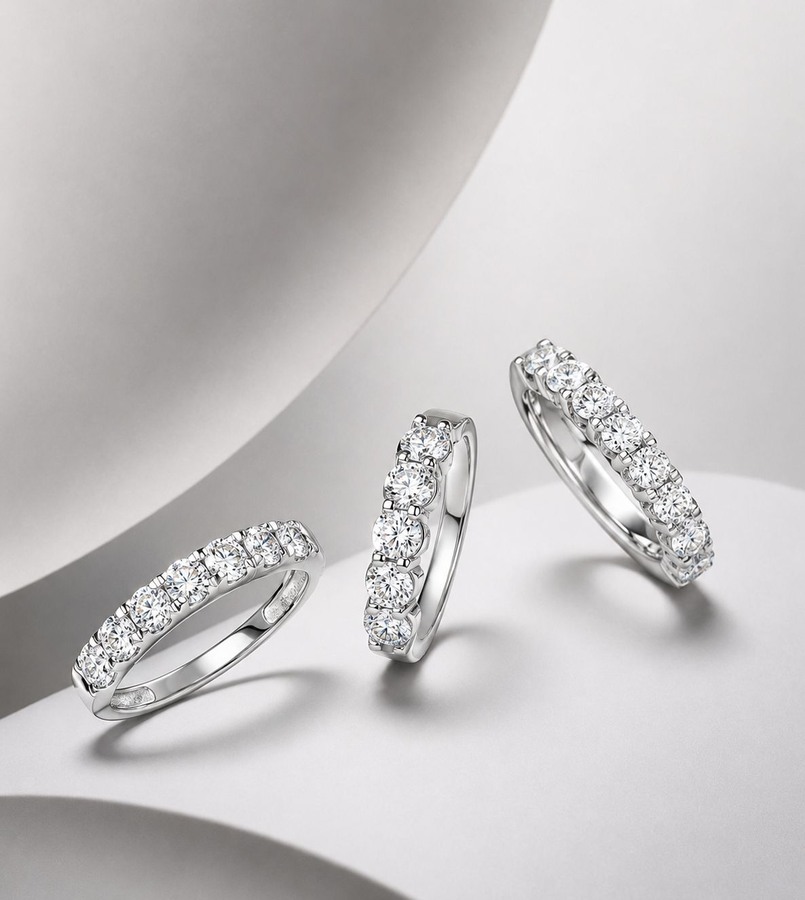
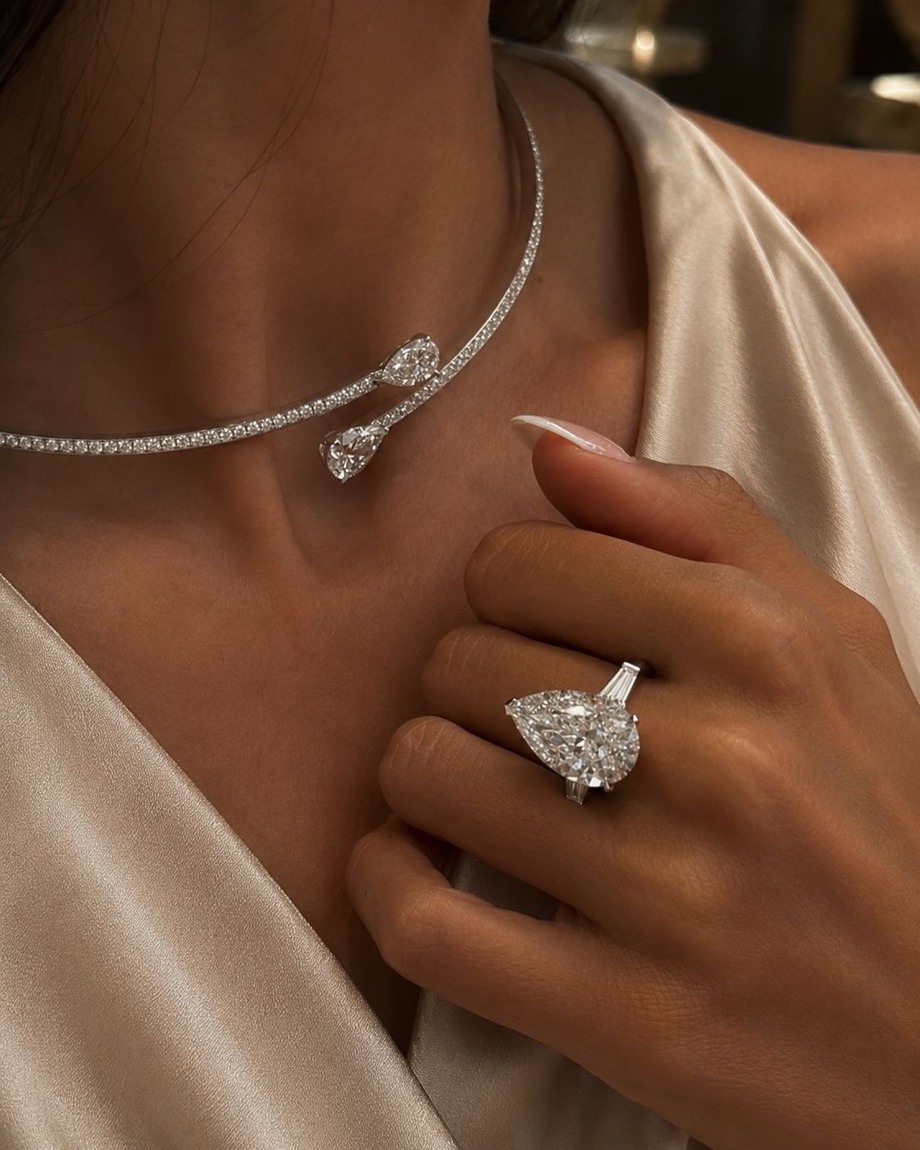
A pavé wedding band features small diamonds set closely together in small prong or bead settings across the band's surface, creating the appearance of a continuous paved surface of diamonds. The word pavé comes from the French for 'paved'. Pavé bands range from full pavé — diamonds all the way around the band — to half pavé (diamonds on the top half only) or shoulder-set pavé, where diamonds flank the setting area of an engagement ring. Pavé bands are brilliant and feminine, and are popular as engagement ring companions.
What is an eternity band and is it the same as a wedding band?
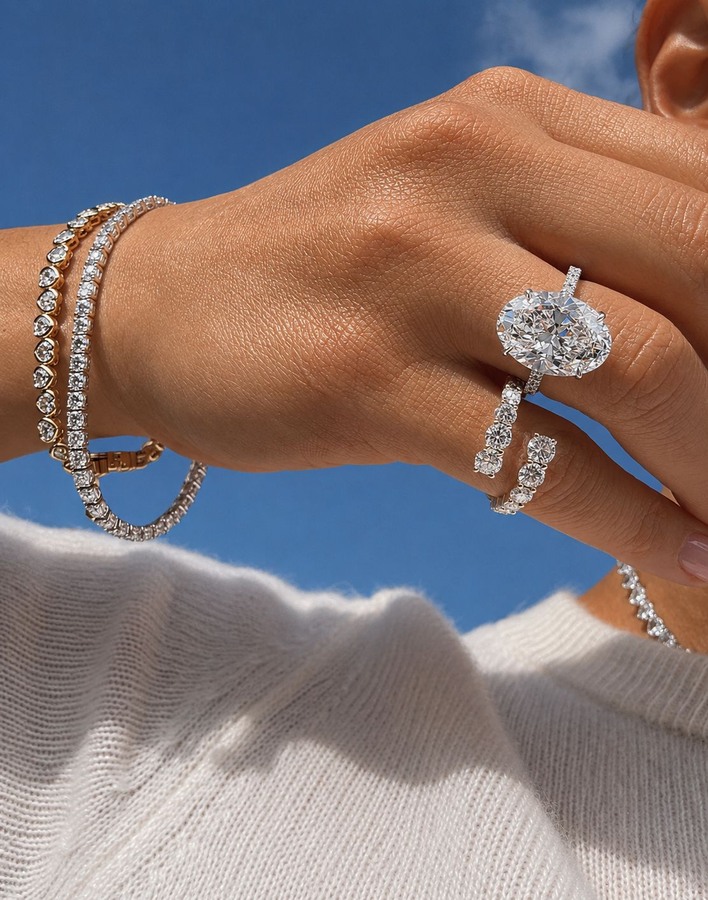
Eternity bands and wedding bands are different, though the terms are sometimes used loosely. A wedding band is the ring exchanged at the wedding ceremony — it may be plain or diamond-set. An eternity band is typically given later, to mark an anniversary or life milestone, and features a continuous or partial line of identical stones set all the way around (full eternity) or on the top half (half eternity) of the band. Eternity bands symbolise unending love and commitment, and are often worn as the third ring in a stack alongside the engagement and wedding rings.
What is a channel-set wedding band?
A channel-set wedding band features diamonds or gemstones set within a channel — a groove cut into the band — so that the stones sit flush with or slightly below the band's surface, held securely by the channel walls rather than prongs. Channel settings are very secure and snag-free, making them well-suited for active wearers. The stones sit in a clean, architectural line and the overall effect is sleek and modern. Channel-set bands are particularly popular for diamond wedding bands paired with solitaire engagement rings.
Should a wedding ring match the engagement ring?
Wedding rings do not have to match the engagement ring perfectly, but they should complement it. The most important practical consideration is that the wedding band sits flush against the engagement ring without a gap — this requires the profiles of the two rings to be compatible. A domed or shaped engagement ring setting may require a contoured or fitted wedding band to sit neatly beside it. For metal, most people match the metal of their wedding band to their engagement ring for visual consistency — platinum with platinum, or the same gold colour. IDC Cayman can design or source a wedding band specifically to complement your engagement ring.
How do I choose a wedding ring to match my engagement ring?
When choosing a wedding band to complement an engagement ring, consider four factors: the profile (does the band need to be curved or shaped to sit against the engagement ring's setting?), the metal (matching metal colour creates the most cohesive look), the width (a band that is roughly half the width of the engagement ring setting usually looks proportionate), and the style (plain bands allow the engagement ring to be the focus; diamond bands add collective brilliance). At IDC Cayman, we can assess your engagement ring — whether purchased with us or elsewhere — and recommend the most compatible wedding band.
Can men and women wear matching wedding bands?
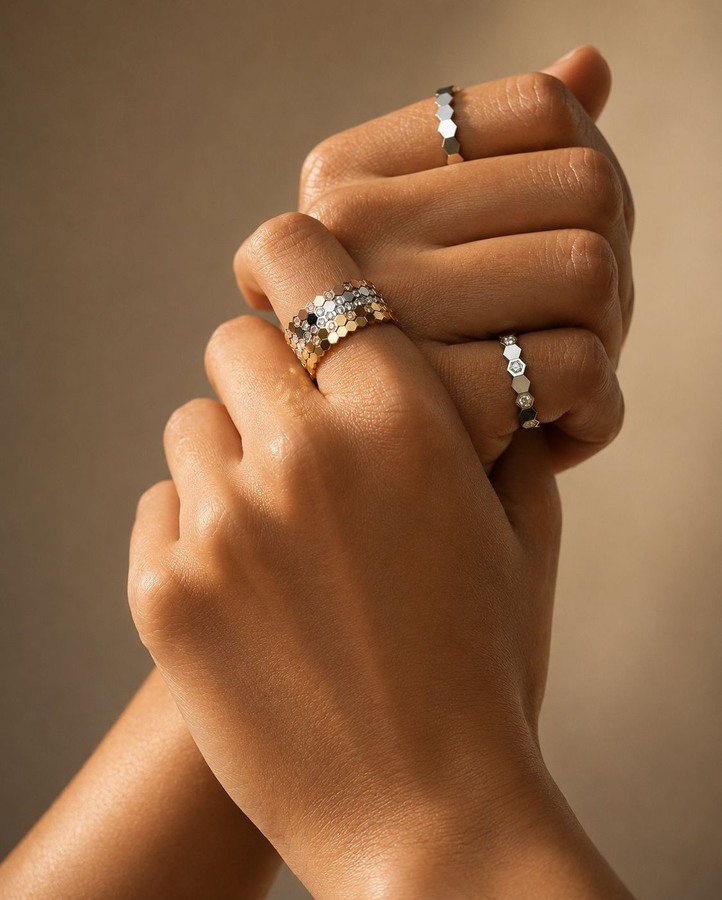
Absolutely. Matching or coordinating wedding bands for both partners are a popular choice and symbolise the shared commitment of marriage. Designs can match exactly — the same profile, width, and metal — or can coordinate with small differences that suit different hand sizes and aesthetics. For example, a 5mm plain platinum band for a man might coordinate with a 3mm diamond-set platinum band for a woman. IDC Cayman designs and makes matching sets for couples, and can work with any combination of styles.
What width wedding band suits different hand types?
Band width is primarily a matter of personal preference, but hand proportions offer a useful guide. Wider bands (5–8mm and above) suit larger hands and longer fingers — they look proportionate and make a confident statement. Narrower bands (2–4mm) are elegant on smaller hands and fine fingers, and sit beautifully alongside an engagement ring without competing. Most women's wedding bands are 2–4mm wide; most men's are 4–7mm, though both wider and narrower bands are available. The best approach is to try on different widths — what looks wide on a ring sizing tool may look very different on your actual hand.
What is a milgrain detail on a wedding ring?
Milgrain is a decorative detail consisting of a tiny beaded edge applied to the border of a ring using a specialised jeweller's tool. The term comes from the French for 'thousand grains'. Milgrain creates a delicate, vintage or Edwardian aesthetic and adds intricate texture to an otherwise plain or simple band. It is particularly popular on platinum wedding bands and engagement ring settings with vintage or Art Deco inspiration. Milgrain can be applied to one edge of a band, both edges, or incorporated into a broader vintage-inspired design.
How do I measure my ring size at home?
To measure your ring size at home, wrap a strip of paper or string tightly (but not uncomfortably) around the base of the finger you wear rings on. Mark where the paper meets itself, then measure the length in millimetres. This is the inner circumference of your ring. Divide this figure by 3.14159 to get the diameter, then match to a ring size chart. Note that fingers vary in size with temperature, time of day, and activity — fingers are typically smallest in the morning and in cold weather. If in doubt, measure multiple times. Most jewellers, including IDC Cayman, offer professional ring sizing as part of any purchase.
Can wedding rings be resized?
Yes, most wedding rings can be resized by a skilled jeweller, though the ease depends on the ring's design. A plain metal band is straightforward to resize — the jeweller either adds a small section of metal (sizing up) or removes metal and rejoins the band (sizing down). Rings with diamonds or gemstones set all the way around (full eternity bands) are more difficult to resize and may require stones to be added or removed. Rings with complex texture, engraving, or milgrain may show signs of resizing at the join. IDC Cayman provides ring sizing and resizing services for all rings purchased in-store.
What carat gold is best for a wedding ring — 18ct or 9ct?
18-carat gold is the industry standard for fine jewellery, containing 75% pure gold (750 parts per thousand) alloyed with other metals for durability. 9-carat gold contains only 37.5% gold — it is harder due to the higher alloy content but has significantly less intrinsic gold value, a different colour, and is not used by fine jewellers for high-quality pieces. For a ring worn every day for a lifetime, 18-carat gold in yellow, white, or rose offers the best balance of gold purity, durability, and appearance. All IDC Cayman wedding rings are made in platinum or 18-carat gold.
How do I care for a gold or platinum wedding ring?
To care for a gold or platinum wedding ring, remove it before any activity likely to expose it to harsh chemicals (cleaning products, chlorine in pools), heavy physical work, or impacts that could bend the band. Clean it periodically by soaking in warm soapy water, brushing gently with a soft toothbrush, and rinsing and drying thoroughly. Have it professionally cleaned and checked annually by a jeweller — this includes checking any diamond settings for prong security. White gold rings may need rhodium re-plating every few years as the plating wears from high-contact areas. Platinum rings develop a patina that most owners appreciate; it can be polished if a high shine is preferred.
What is a flat-court wedding band vs a D-shape band?
A flat-court (or flat-court comfort-fit) band has a flat outer surface and a rounded inner surface — it presents a clean, flat edge from the outside while the comfort-fit interior makes it comfortable to wear. A D-shape (or D-court) band has a rounded outer surface — the cross-section looks like a letter D — giving it a classic, domed appearance. D-shape bands are the most traditional wedding ring profile in the UK and Europe. Flat-court bands are more contemporary and are preferred by many who want a sleek, modern look. Both are available in comfort-fit interior profiles.
What wedding ring style suits an active lifestyle?
For active lifestyles, a plain metal band without stones is the most practical choice — there are no prongs to bend or catch, and no risk of damaging diamond settings during physical activity. Platinum is ideal for durability. A low-profile or flush-fit design (such as a bezel or channel-set band if diamonds are desired) minimises risk. Wider bands distribute impact better than very narrow ones. Many active wearers choose to wear a simple plain band daily and reserve a diamond or more elaborate band for special occasions. At IDC Cayman, we can discuss the right balance between beauty and practicality for your lifestyle.
What is a tension set ring?
A tension set ring uses the compressive spring force of the metal band itself to hold a gemstone suspended between two ends of the band, with no prongs or bezels. The diamond or gemstone appears to float in the opening of the ring. Tension settings create a dramatic, contemporary look but require precise engineering — the metal must be chosen and shaped to exert exactly the right pressure on the stone. Tension sets are less common in wedding bands than in engagement rings; they are a distinctive choice for buyers seeking a modern, sculptural aesthetic.
What wedding ring styles does IDC Cayman offer?
IDC Cayman's wedding ring collection includes plain comfort-fit bands in platinum and 18-carat yellow, white, and rose gold; pavé diamond bands; channel-set diamond bands; half-eternity rings; milgrain-edged vintage bands; and flat-court and D-shape profiles. All rings are available in a range of widths and can be adjusted to your specification. Matching sets for couples are available across most styles.
Does IDC Cayman make bespoke wedding bands?
Yes. Bespoke wedding band design is offered by IDC Cayman as part of the same atelier service available for engagement rings. Whether you want a specific engraving, a profile not found in the existing collection, a precise match to an existing engagement ring, or a completely original design, our team will guide you through the process. Bespoke wedding bands typically take four to six weeks from approved design.
Can IDC Cayman make matching wedding rings for both partners?
Yes. IDC Cayman specialises in matching wedding band sets and coordinating pairs for couples. Designs can be identical or complementary — for example, a wider plain platinum band for a groom coordinated with a narrower diamond-set platinum band for a bride. We can also design a wedding band specifically to sit flush and beautifully against an existing engagement ring, whether purchased at IDC Cayman or elsewhere.
What is the advantage of buying a wedding ring in the Cayman Islands?
The Cayman Islands charges zero import duty and zero sales tax on precious metal jewellery, including wedding rings. For UK buyers, this is a saving equivalent to 20% VAT on the full purchase. For Australian buyers, 10% GST. For European buyers, 19–27% VAT depending on country. For American buyers, the applicable state sales tax. On a pair of high-quality platinum wedding bands, this saving is real and significant. Purchases can be made in-store in George Town during a Cayman Islands visit, or arranged through IDC Cayman's concierge service.
Does IDC Cayman offer engraving on wedding rings?
Yes. IDC Cayman offers personalised engraving on wedding rings. Inside engraving — names, initials, a date, or a short personal message — is the most traditional and sentimental wedding ring customisation. Outside engraving or surface texturing can also be incorporated as a design feature. Engraving is discussed and confirmed at the time of order. For bespoke rings fabricated in-house, engraving is completed before the ring is finished; for standard collection rings, engraving is typically completed within a few days of purchase.