
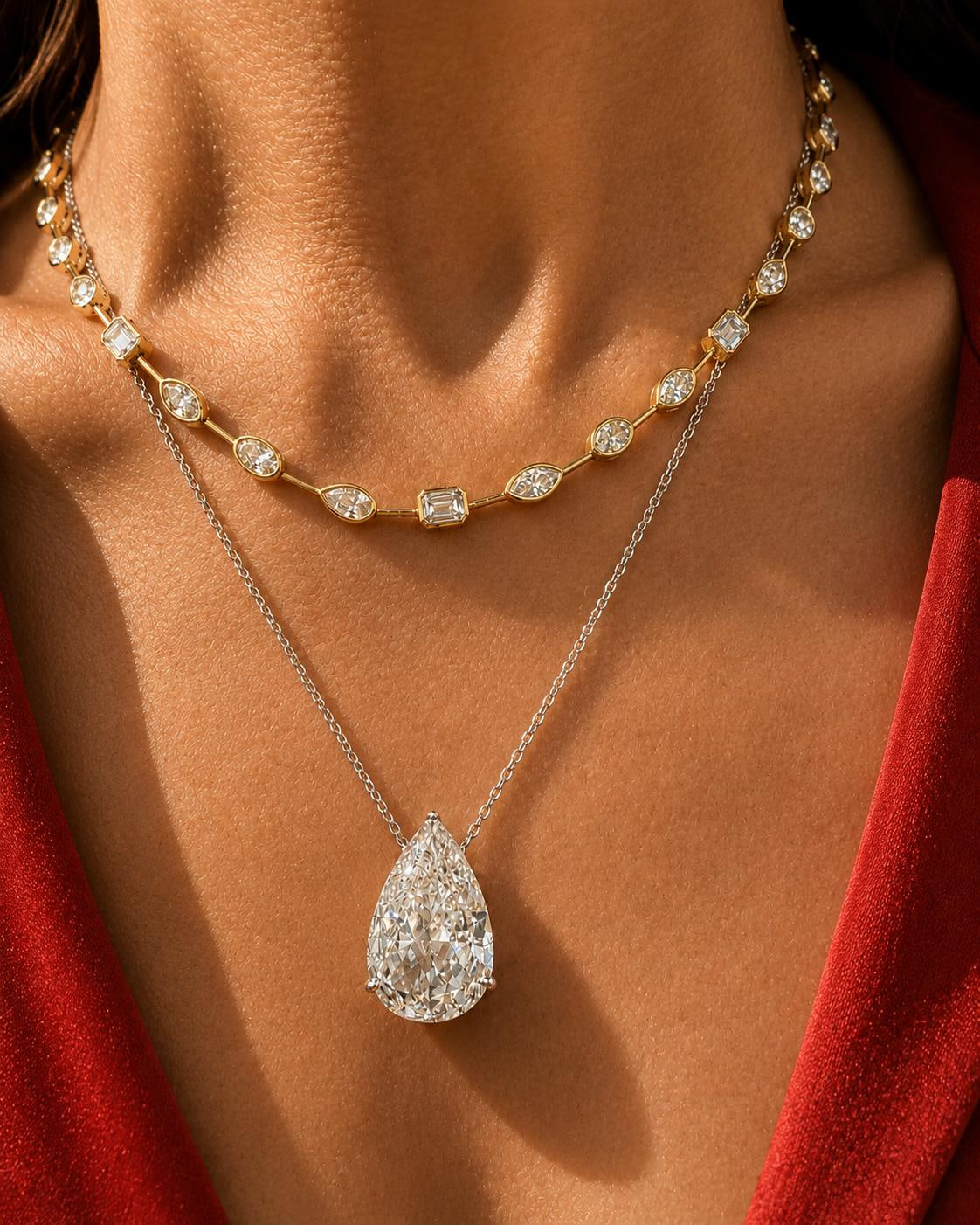
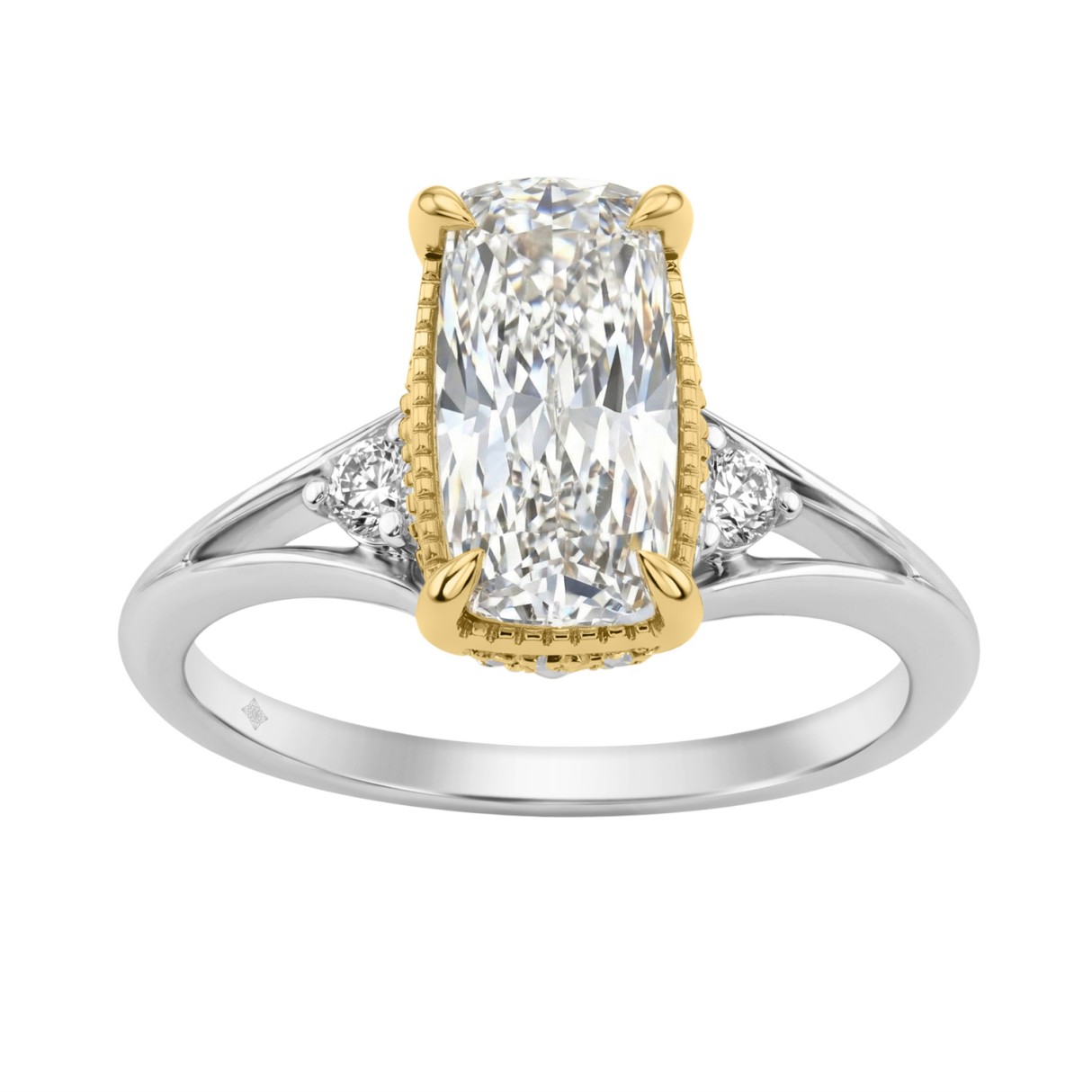
To buy an engagement ring in Cayman, start with engagement rings cayman, set one clear budget, test diamond cuts in noon sun and open shade, ask for a GIA report, check fluorescence outside, choose platinum or 18k for salt air, match the setting to daily wear, confirm service terms in George Town, then secure appraisal and insurance.
This guide covers island light and sparkle, 4Cs tuned for the tropics, metals and settings that last here, a practical George Town checklist, and clear steps from first viewing to custom design.
First steps on Grand Cayman, the quick answer you need right now
Start with a single target budget, a short list of non negotiables, and a side by side viewing on island. That order gets you from browsing to the right ring without second guessing.
- Set one number. Pick a total you can say out loud. It keeps choices focused and lets your jeweler pre pull stones that fit, not almost fit.
- Rank the 4Cs for outdoor photos. Put cut first, then color, then clarity, then carat. In bright Cayman light, a precise cut reads lively in both sun and shade. For rounds, ask to keep crown angles near 34 to 35 degrees and pavilion angles near 40.6 to 40.9 so you avoid a dark center in hard sun.
- Test in two lights. Step outside for midday sun, then move to open shade by a window or awning. Hold the stone still, then rock it slowly. Then shoot a short 1x phone clip with HDR off. If you see haze in strong blue fluorescence, you will notice it in shade right away.
- Book a viewing at IDC Cayman in George Town. Compare GIA graded diamonds side by side on island. Share your target budget, preferred shapes, and any must haves, and we will prepare a focused tray. Morning or late afternoon gives softer light, and we can step outside together to judge shimmer against sea and sky. Ready to see options that fit your brief today, visit IDC Cayman or contact us to start a custom design.
Set a budget and split your spend between diamond and setting
Pick a total, then decide how much goes to the center stone and how much to the setting. For most solitaires, 70 to 80 percent to the diamond and 20 to 30 percent to the ring works well because cut quality drives what you actually see in Cayman light. If you love halos, three stone layouts, or detailed pavé, 60 to 40 is common because the craft, side stones, and coverage lift the look on the hand.
Cut comes first. In strong sun, facet contrast gets amplified, so a refined cut gives crisp on off sparkle instead of a flat white glare. Aim for GIA Excellent on rounds, with table around 54 to 58 percent and total depth near 60 to 62.5 percent. From the bench, rounds with crown near 34 to 35 degrees and pavilion near 40.6 to 40.9 often keep fire and balance under beach light and café shade.
Color is context. In platinum or white gold, many clients choose G to H because it faces up bright outdoors without paying for steps most eyes will not see. Medium blue fluorescence can help H to J look a touch whiter at noon because of the blue sky. In yellow or rose gold, H to J still reads white from the top as the warm rim blends with the stone. One field tip, sunscreen and fine salt spray mute sparkle on any color grade within minutes. A rinse in fresh water and a soft cloth bring the life back fast.
Clarity is about what you see at arm’s length. Ask for eye clean at 8 to 10 inches in daylight. VS2 to SI1 often works if inclusions sit off the table and blend with the facet pattern. Use a 10x loupe to learn the plot, then put it away and judge with your eyes.
Settings change the spend. A well made halo can add 1.5 to 2.0 millimeters to visual spread, so a 6.5 millimeter round, about one carat, can look closer to 7.5 to 8.0 millimeters. If you live active island days, choose a band near 1.8 to 2.0 millimeters for pavé so it stays stable. Ultra thin micro pavé twists more under beach towels, and replacing lost side stones costs more joy than a slight budget shift.
Keep it personal. Ask yourself what makes you smile when you look down at your hand, size, sparkle, design, or provenance. Put the biggest share toward that answer. If you wear gloves for work or paddleboard on weekends, favor clean solitaires or low halos so you can fund the center stone and keep snag risk low.
How island light, water reflection and setting change which cut looks best
Bright sand, blue water, and high UV change how a diamond behaves. Brilliant cuts keep energy in harsh light, step cuts excel in softer light, and settings can tame glare or boost edge sparkle.
| Light setting | Cuts that look best | Why it works | Settings that help | Watch outs |
|---|---|---|---|---|
| Sunlit beach, white sand | Round Brilliant, Oval, Radiant, Princess, Cushion modified brilliant | Many small facets give fast flashes that resist washout, and slightly higher crowns push more rainbow fire at noon | 4 prong solitaire or thin halo in platinum or white gold, medium blue fluorescence can make I to J look crisper at midday | Strong blue fluorescence can turn hazy in intense UV, step cuts can glare flat if aimed straight at the sun, check bow tie on elongated shapes |
| Shaded veranda or golden hour | Emerald, Asscher, Antique Cushion, Oval | Broad, slow flashes read well in soft light, and facet windows show clean geometry | Halo or double edge pavé keeps sparkle when ambient light drops, yellow or rose gold adds warmth to near colorless stones | Step cuts show inclusions and body color fast, stay near G to H with Excellent or Very Good polish and symmetry on a GIA report |
| Near water or on a pier | Round, Oval, Radiant | Moving water throws blue green reflections, and high scintillation masks backlight | Slim bezel or semi bezel manages glare and protects edges, three stone with brilliant sides creates a sparkle curtain against the horizon | Backlight can silhouette prongs, a 6 prong round frames the outline well, test against a white card to judge true color |
How to test like a pro in George Town
- Move from case lights to the doorway, then to open sun, then to palm shade. Watch how sparkle size and speed change.
- Hold the ring 12 to 18 inches from your eye, tilt 15 to 45 degrees, then rotate slowly. Most well cut stones peak just off axis.
- Compare two stones side by side, then swap hands so window position does not bias you. Repeat the same tilt pattern for both.
- Check elongated shapes for the bow tie in shade. If a dark bow across the center does not fade as you tilt, try a different make.
- Lock focus on your phone and record a 5 to 8 second clip in shade, then in sun. Video shows real scintillation better than a quick glance.
- Try your sunglasses on and off. Polarized lenses can kill certain highlights on the water, which matters on boat days.
Photo ready picks
For beach noon, a round or oval brilliant in a 4 prong platinum solitaire is simple and effective. For veranda shade, a fine halo helps edge sparkle. Angle the table about 30 to 45 degrees to the sun, use your body or a hat to cast soft shade, and let narrow beams kiss the crown. Clean both lens and ring, and apply sunscreen after the shot, not before. For step cuts, add a slim bezel or a halo to reduce glare, and shoot in open shade or late light while tipping the ring until one broad flash rolls across the center.
What to ask in George Town and what to expect at IDC Cayman
Ask these in the showroom
- Can we view this diamond in direct sun, open shade, and under the store LEDs?
- May I see the GIA report number, proportions, table percent, total depth, and the crown and pavilion angles?
- What is the fluorescence grade, and how does it look by a window and in shade?
- For ovals, pears, or marquise, does it show a visible bow tie, and can we compare two side by side?
- Will this setting ride safely for beach days and sunscreen, and how often should prongs be checked here?
- What is your policy for resizing and tightening for locals and visitors, and what work is done on island?
- Do you offer both natural and lab grown, and can I compare them in the same light?
- Can we note gram weight, alloy mix, and hallmarks for insurance?
- If I choose custom, what are the CAD review steps and how are revisions handled?
What the appointment feels like
You will sit down in our George Town showroom with GIA graded diamonds, a 10x loupe, proportion guidance, and side by side light checks by a window and in soft shade. Expect ring sizing, metal and profile comparisons, a quick clean before viewing, and clear notes for your records. One practical check we always make early is how the stone handles island UV and reflection. Some shallow makes look splashy outside but leak light in shade. A better make stays lively in both. Lotion leaves a faint film quickly, so we show a soft brush and rinse routine that restores brilliance in seconds.
Example, how fluorescence choices play out on island
Example: Two round brilliants, both with GIA Excellent cut, one with strong blue fluorescence and one with none, look electric at noon on Seven Mile. In open shade, the non fluorescent stone stays crisp while the strong blue shows a faint milkiness that one partner noticed and the other did not. They chose the non fluorescent diamond and a low basket platinum solitaire that sits close to the hand for easy wear on boat days. We scheduled a six month prong check and suggested a gentle weekly fresh water rinse after the beach.