
The Rare Geological Story Behind Caymanite Jewelry: Why This Local Stone Can’t Be Found Anywhere Else On Earth
Caymanite jewelry is a unique treasure that few know about. But what makes these pieces so special? The answer lies in the rock of the islands themselves: nowhere else on earth had the exact conditions that created this banded stone.
How Caymanite Forms: A Geological Miracle
Caymanite is a layered dolostone. It began millions of years ago as fine marine sediment, rich in shell and coral fragments, settling in calm tropical water. Layer settled on layer, each one tinted differently by iron and manganese minerals. As the islands were slowly uplifted, those hardened layers rose above the sea, and today the stone is quarried from the bluff rock of Cayman Brac and the eastern districts of Grand Cayman. Water depth, sedimentation and slow tectonic uplift all had to line up, which is why this stone exists only here.
The Origin Story: A Tale From Deep Beneath the Sea
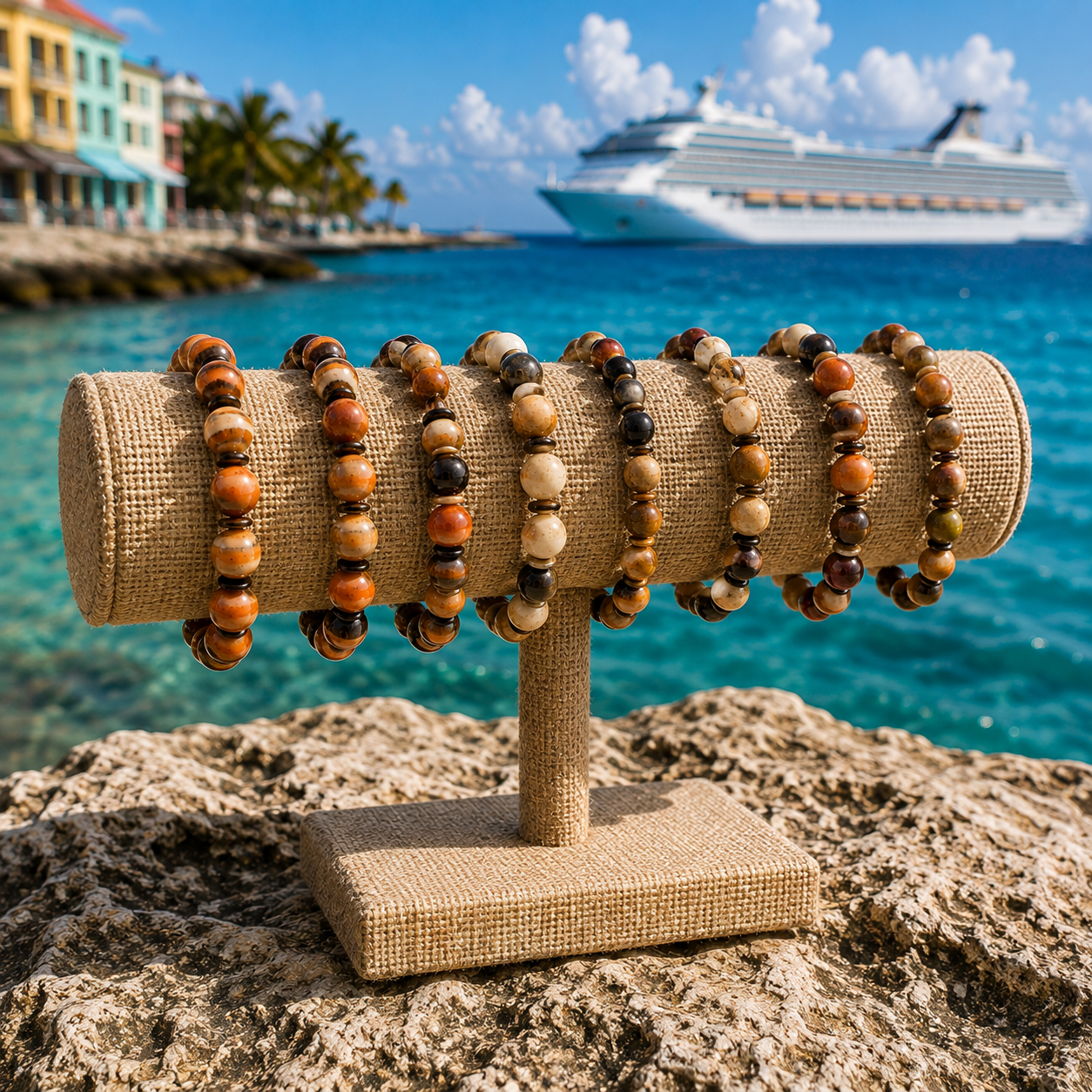
Long after the age of dinosaurs, warm shallow seas covered the ground that would become the Cayman Islands. Season after season, fine sediment settled into thin, distinct layers. Over millions of years those layers hardened, mineralised and were lifted above the waves as the islands rose. The result is not just any limestone: caymanite’s bands of cream, caramel, rust, grey and black make it unlike any other stone in the world.
The Unique Properties of Caymanite
What makes caymanite so special is its rarity. Because of where it forms, you can’t find this stone anywhere else on earth except in the Cayman Islands. Each piece has a unique pattern and color that tells its own story. Caymanite comes in shades of cream, caramel, rust brown, grey and black, depending on how much iron and manganese mixed into the layers as they formed. Unlike other stones where you see similar patterns worldwide, caymanite’s uniqueness lies in its origin and composition.
Crafting Caymanite: From Stone to Jewelry
Turning these unique stones into beautiful jewelry involves careful craftsmanship. Jewelers work closely with nature since each piece of caymanite is one-of-a-kind. They look for the best cuts that highlight the stone’s natural beauty while making sure it’s strong enough to last a lifetime. Jewelry makers take great care in selecting and shaping caymanite stones, ensuring they capture the essence of the islands.
Caring For Your Caymanite Jewelry: A Treasure To Last Generations
To keep your caymanite jewelry looking beautiful for years to come, proper care is essential. Avoid exposing it to harsh chemicals like bleach or chlorine. Store it in a soft pouch away from other metals that could scratch the surface. Regular cleaning with warm water and mild soap can help maintain its shine. A gentle brushing with an old toothbrush helps remove any dirt or grime.
The Value of Caymanite: Beyond Its Price Tag
While caymanite may not carry a high price tag compared to rare diamonds, it holds immense value in terms of heritage and personal significance. Wearing a piece of jewelry made from this local stone is like carrying a small piece of the Cayman Islands with you wherever you go.
The Science Behind Caymanite’s Formation
Caymanite’s pattern is a diary written in stone. Each band records a season of sedimentation: iron oxides paint the rust and caramel lines, manganese brings the greys and blacks, and the pale bands are nearly pure carbonate. Because the layers were laid down one at a time over millennia, every slice reveals a pattern that will never repeat. That is the real science behind why no two caymanite pieces are alike, and why islanders treat the stone as a piece of Cayman itself.
What Is The Best Way To Clean Caymanite Jewelry?
To clean your caymanite jewelry, use warm water mixed with mild soap. Gently brush away any dirt or grime with an old toothbrush and dry it thoroughly to prevent spotting.
Can Caymanite Be Used In Engagement Rings?
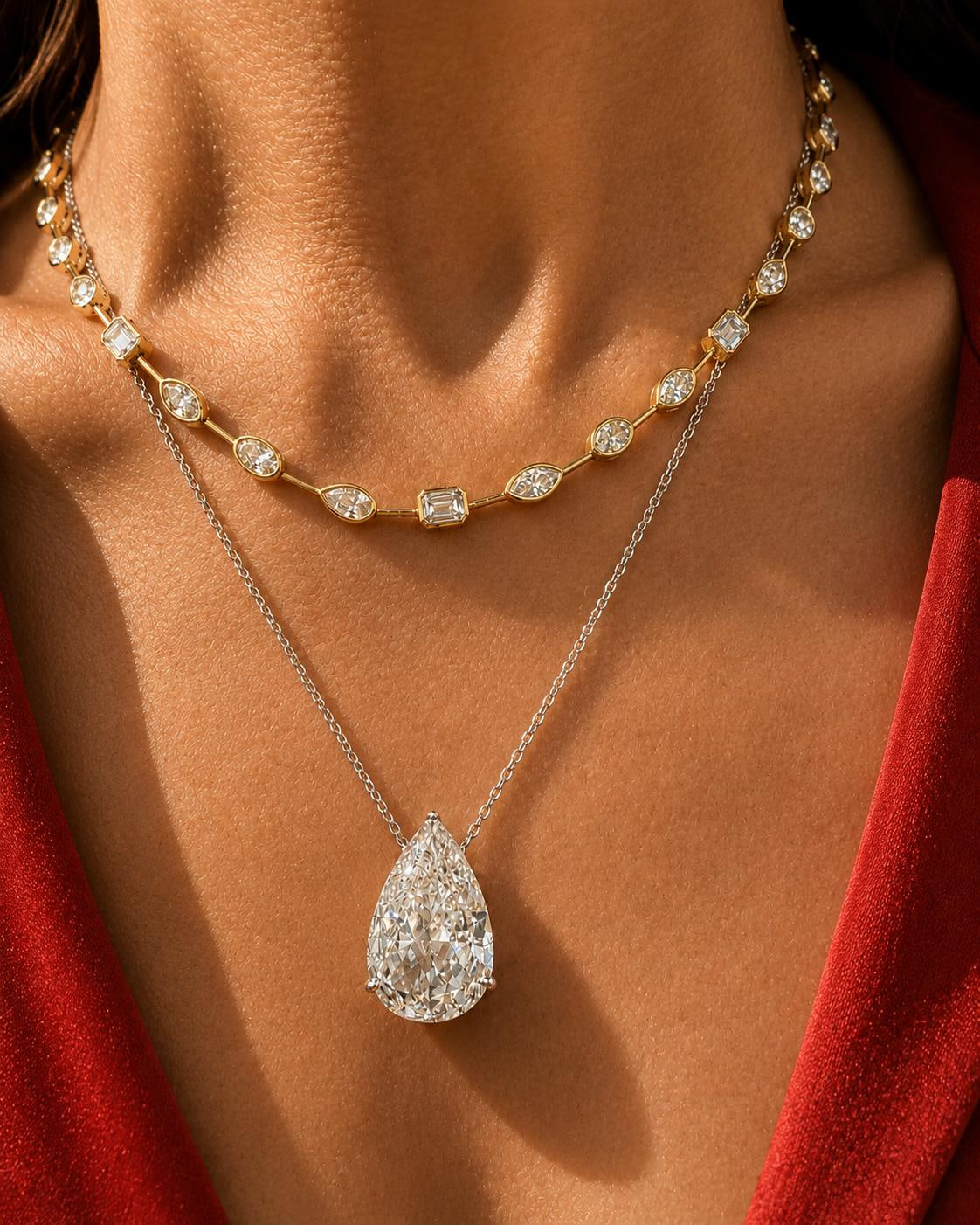
It can be, in a protective bezel setting. Because caymanite is softer than sapphire or diamond, most couples choose it for pendants, earrings or anniversary keepsakes instead, and pick a classic diamond for the daily-wear ring.
How Do I Tell If A Stone Is Real Caymanite?
Real caymanite will have distinct patterns that are unique to the stone found in Cayman waters. Look for crisp, well-defined bands of cream, brown, rust and grey within a polished surface and you’ll know it’s genuine.
What Makes Caymanite Unique Compared To Other Stones?
The geological conditions in the Cayman Islands make it impossible for caymanite to form anywhere else on earth. This unique origin gives each piece of jewelry special significance.
Conclusion
Caymanite is more than just a pretty stone; it’s a piece of history and heritage that you can wear. Its rarity, beauty, and the story behind its formation make it truly one-of-a-kind. Visit IDC Cayman in George Town or browse our collection to find your own special piece.
What Makes Caymanite Unique Compared To Other Stones?
The geological conditions in the Cayman Islands make it impossible for caymanite to form anywhere else on earth. This unique origin gives each piece of jewelry special significance.
Conclusion
Caymanite is more than just a pretty stone; it’s a piece of history and heritage that you can wear. Its rarity, beauty, and the story behind its formation make it truly one-of-a-kind. Visit IDC Cayman in George Town or browse our collection to find your own special piece.